
The hobby of breeding fish at home can be rewarding and enjoyable for all the fish lovers out there. By breeding fish at home, you can explore the biology and behavior of the fish while also creating your very own species. If you know everything about breeding and have all the necessary equipment, you can easily join the club of the successful breeders. Our guide will teach you how to do that!
Setting Up a Breeding Tank
One of the key steps in breeding fish at home is to set up a breeding tank that would contain your specimens. In order to set up a tank, you first need to find out what species would work well under domestic conditions. The easiest fish species to breed are guppies, platies, and swordtails. When choosing a species to breed, make sure you have read information about its specific needs regarding water composition, diet, and so forth.
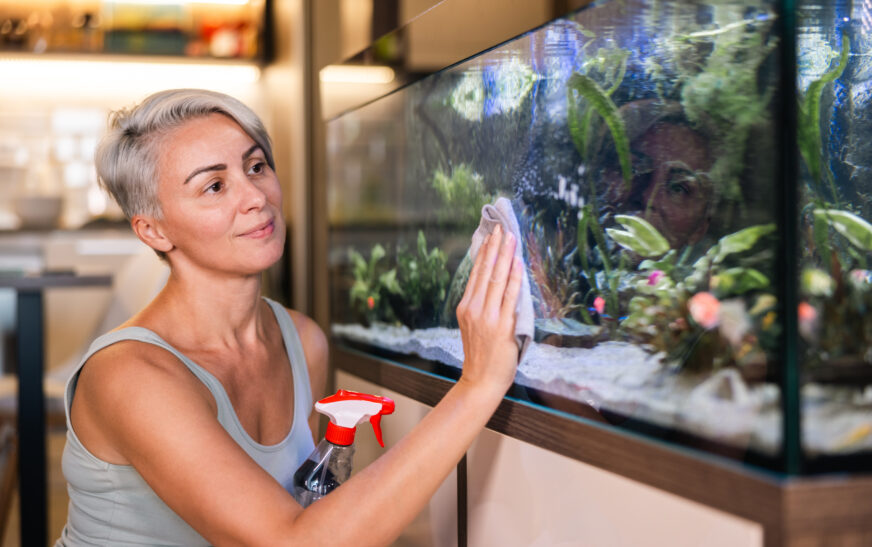
In order to create a breeding environment for the selected species, you will need to find an additional tank for breeding. You can use a regular aquarium tank, but a special breeding tank would be even better. Such a tank should have a lid, a good filtration system, and at least 10 gallons of volume. Decorations like plants and rocks would also come handy.
Choosing the Right Species
Choosing a suitable species is important since not all fish breeds can be kept together or bred successfully. Some breeds have more complicated needs and therefore require more effort and experience from the owner in terms of keeping them. When looking for the ideal breed to keep in your breeding tank, focus on those which are easier to breed at home.
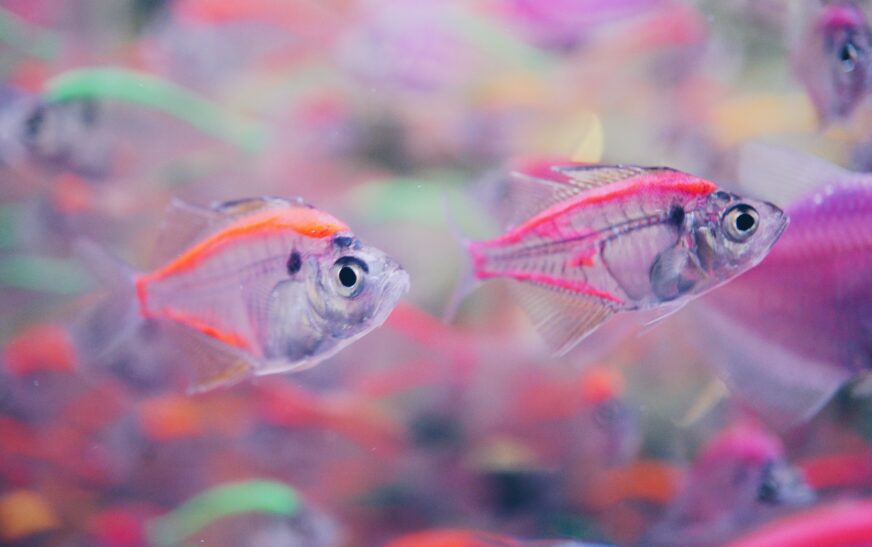
For example, guppies, as we’ve already mentioned above, make good choices for a breeding tank since they can tolerate poor conditions and produce many offspring. Platies are also recommended since they are peaceful creatures which spawn in small schools. Last but not least, swordtails are recommended since they look impressive yet don’t require much care.
Preparing the Tank
As soon as you select your species and find out everything about their habits and preferences, you can start preparing a breeding tank for the fish. It is necessary to set up and cycle your breeding tank in order to provide suitable conditions to the fish once they appear in it. After that, you should place the fish in the tank and watch their behavior and overall health.
It is important to note that cycling your tank is essential because it helps the fish feel comfortable and develop normally. To cycle the tank, add dechlorinated water and then introduce the bio-filter into the tank (e.g. a sponge filter). You should wait for several days until the filtration process gets started properly.
Caring for Your Fish
Providing care to the fish that lives in your breeding tank is also a must since it increases the probability of your future success. Caring for the fish implies giving them high-quality diet and maintaining optimal water condition inside the tank. As for diet, you should give your fish a well-balanced high-quality feed, preferably flakes and/or pellets.
Water changes are also important since they allow you to eliminate all the impurities inside the tank. Changing 10-20% of the water each week using a gravel vacuum is a great idea. Apart from that, you should constantly monitor the health of your fish since they can get sick quite often.
Breeding Your Fish
In order to make your fish reproduce, you should introduce one male and one female to the tank. This step should be made once the fish grow up and become ready for spawning. The probability of successful spawning is increased if you provide optimal water composition and enough space inside the breeding tank.
Make sure to observe the behavior of both the male and the female, as they should be compatible. Moreover, both fish shouldn’t experience any stress in the tank since the presence of stress may hinder the whole process. As you see, this stage should be approached carefully.
Collecting Eggs and Raising Fry
Once the spawning has occurred, it is important to collect eggs and start raising fry. It is important to separate eggs from the fish parents and find another tank for the little ones. This tank should be rather big and equipped with a lid and a filtration system to provide optimal conditions for the growing fish.
To collect the eggs, you may use a soft-mesh net or even a cup. Then put the eggs into the prepared second tank with the temperature of 78-82°F (25-28°С). After a few days, the eggs will hatch and you will start feeding them with high-quality feeds.
Tips for Successful Breeding
In order to achieve successful results while breeding your fish, you should stick to the following tips and guidelines.
* You should spend some time reading about the species you are interested in in order to be fully aware of their needs;
* The tank you use should meet all the requirements needed by the fish;
* Select a breed which is not too difficult to keep and breed in order to avoid problems with it;
* Keep track of the fish and watch out for any diseases or stress factors;
* Make sure you provide your fish with balanced diet and clean water.