
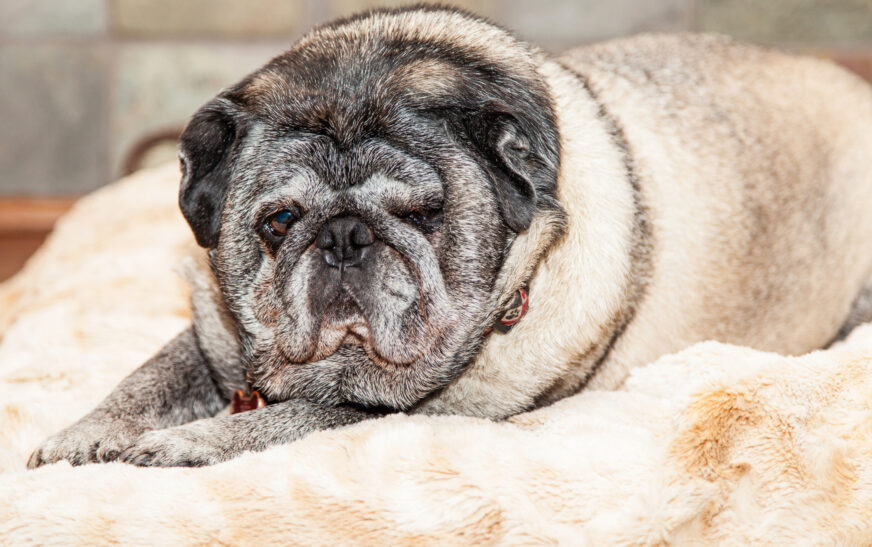
As we know, our favorite pets also need special care and attention when they get older. Senior dogs have some specific physical and behavioral peculiarities associated with aging. Thus, senior dogs, i.e., the dogs that have reached the age of 7 years old, should be provided with an appropriate diet and special attention from owners. Senior dogs require a special diet because it allows alleviating symptoms caused by the natural course of aging and preventing certain health problems. Besides, a senior dog needs regular physical exercises and vet checks to maintain good health.
Senior Dogs’ Health Peculiarities
Firstly, it should be mentioned that dogs go through numerous physiological changes during the process of aging. For instance, dogs tend to suffer from musculoskeletal problems at an advanced age. Moreover, senior dogs have poor cognitive skills, so they may suffer from disorientation and confusion, as well as have memory impairments and experience anxiety.
Thus, one should pay attention to special nutrition and provide them with the necessary vitamins and minerals. Besides, senior dogs require physical activity and mental stimulation to maintain good health.
Nutrition for Senior Dogs
The diet of senior dogs differs from the diet of adult dogs. Therefore, senior dogs have special foods that help maintain health and alleviate some age-related problems. The foods are packed with vitamins, minerals, and special substances that help senior dogs maintain health and overcome health problems related to age. Senior dogs usually eat products containing joint supplements, glucosamine, omega-3 fatty acids, and antioxidants. One should take into account that each senior dog has peculiar dietary needs, which means that one should consult a veterinarian to determine the most appropriate diet for his pet.
When buying senior dog food, one should consider the following criteria:
• High-quality protein sources (chicken, fish, etc.)
• Joint supplements (glucosamine and chondroitin)
• Omega-3 fatty acids
• Antioxidants
Physical Activity for Senior Dogs
Senior dogs usually have health problems that limit their physical activity; however, it does not mean that they do not require physical activity. Thus, one should choose the most appropriate physical activity for his pet. Usually, walking and playing with toys help dogs relax and become more active. However, one should avoid running and jumping, as they put extra pressure on their joints. One should try to engage his dog in mental activities.
Mental activities include the following tasks:
• Solving puzzles
• Doing scent work
• Playing hide-and-seek
• Relaxing massage and stretches
Vet Visits for Senior Dogs
Regular vet visits are crucial for monitoring and maintaining senior dogs’ health. During vet visits, one can discuss potential health problems, as well as monitor the dog’s health status. Therefore, one should plan annual veterinary appointments and twice-yearly veterinary teeth cleaning procedures. Additionally, one should ask the veterinarian to conduct some additional tests, such as blood and urine analysis.
One should know the following information to monitor the health status of his senior dog:
• Ask a veterinarian about age-related health problems and possible prevention methods.
• Know his dog’s medical history and track changes.
• Stay informed about age-related health problems and treatment methods.
Pain Management
Senior dogs often experience pain, especially due to arthritis. One should consult a veterinarian to select a suitable treatment method. For instance, the dog can take medications for pain relief. Apart from conventional medication, one should apply alternative therapy methods, such as acupuncture and chiropractic care. Moreover, one should change the lifestyle to improve his dog’s health.
Environment Safety
Senior dogs are more vulnerable than younger ones. For instance, senior dogs may have vision problems, so they cannot easily navigate their surroundings. Thus, one should provide his dog with a safe living area. To create a safe living environment, one should eliminate all obstacles in the house, install ramps, and protect the dog from environmental changes.
Conclusion
In conclusion, senior dogs require special attention because they face numerous health problems associated with the natural aging process. Therefore, one should consult a veterinarian to discuss appropriate treatment and care plans.