
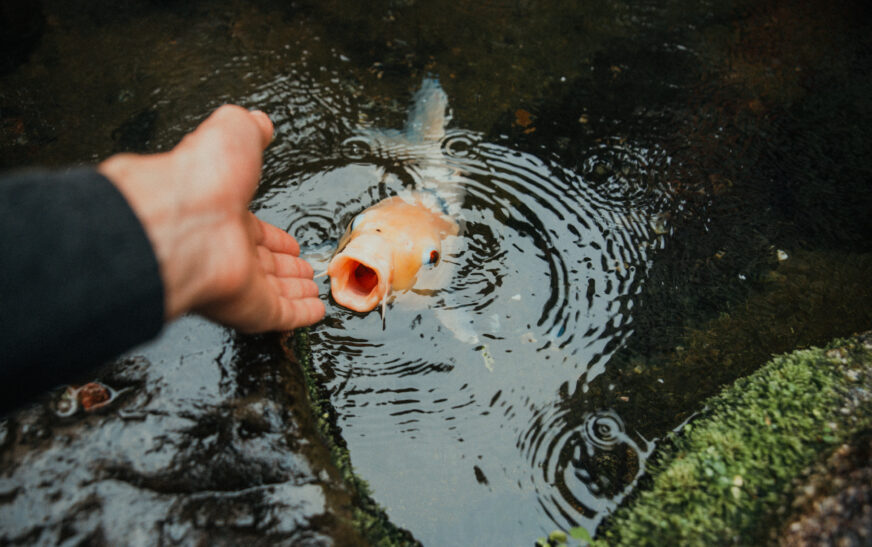
Keeping fish is not an easy task. The main problem that most people have encountered is feeding the fish with adequate food. Many kinds of fish foods are present in the market and, therefore, knowing the right ones to use is not always easy. This article gives some useful tips on how to feed your fish adequately.
Fish’s Dietary Requirements
Before we learn how to feed our fish adequately, we must get into understanding their dietary requirements. Different kinds of fish have different dietary requirements. Hence, conducting thorough research on the dietary needs of your specific species of fish becomes necessary. Fish require proteins, carbohydrates, and fiber for effective growth and development. It becomes necessary to supply your fish with enough proteins and vegetables in order to ensure their health status.
Additionally, there are certain kinds of fish that require plant material while others prefer eating animal food. Hence, knowing the species of fish you have makes it easy to know the kind of products you should buy. Purchase products that will cater to all the dietary needs of your fish. Apart from these foods, you should consider including live foods in your fish’s diet such as brine shrimps and bloodworms.
How Much Amount of Food Is Enough?
How much food a fish requires depends on different factors. Nevertheless, the general rule is that your fish needs as much food as they can eat in at least one or two minutes. Factors that influence the frequency of feeding your fish include:
* Temperature of Water: Warm water will increase metabolism rate in fish thus, causing them to require more food to stay energized.
* Quality of Water: In case you notice dirty water, chances are the fish’s appetite has gone down and, therefore, they will require less food.
* Age of Fish: Small and young fishes will require frequent feedings compared to heavy fishes.
* Activity of Fishes: Fishes that are actively breeding and fighting for territories require lots of energy thus, more food.
Monitoring Your Fishes’ Appetites
It becomes easy to understand how much your fish consumes when monitoring their appetites. Below are signs that show your fish needs additional food:
* Fast eaters: If you notice your fish eating very fast without even chewing, it becomes clear that you should feed them with more food.
* Uneaten Food: When you see that the fish is leaving the food uneaten, the fish is full; hence, reduce its food portion in future.
* Not Interested: Lack of interest in food implies that you should change their diet.
Tips for Feeding Fishes
The following are some of the tips that become helpful when feeding fish:
* Feed During the Morning: This is the best time to feed them since they will have plenty of time for digestion.
* Frequent Feeding in Small Portion: It becomes possible to avoid overfeeding by frequently feeding the fish but in smaller amounts.
* Check Water Conditions: Testing water conditions is helpful because low conditions reduce fish’s appetite.
* Provide Nutritious Food: Providing food with sufficient nutritional value for growth and development of the fish helps a lot.
Common Mistakes
While keeping an aquarium, you are likely to make some mistakes during feeding time. These mistakes include:
* Overfeeding: It is a dangerous practice that leads to poor water quality, and ultimately kills the fish.
* Underfeeding: It harms the fish just as overfeeding does. Underfeeding makes the fish weak and reduces its life span.
* Overfeeding Due to Frequent Feedings: The habit causes overfeeding and, therefore, lowers life expectancy of the fish.
Conclusion
Feeding fish adequately is crucial in maintaining their health. Some important considerations that become necessary include understanding your fish’s dietary requirements and feeding them with the right foods.