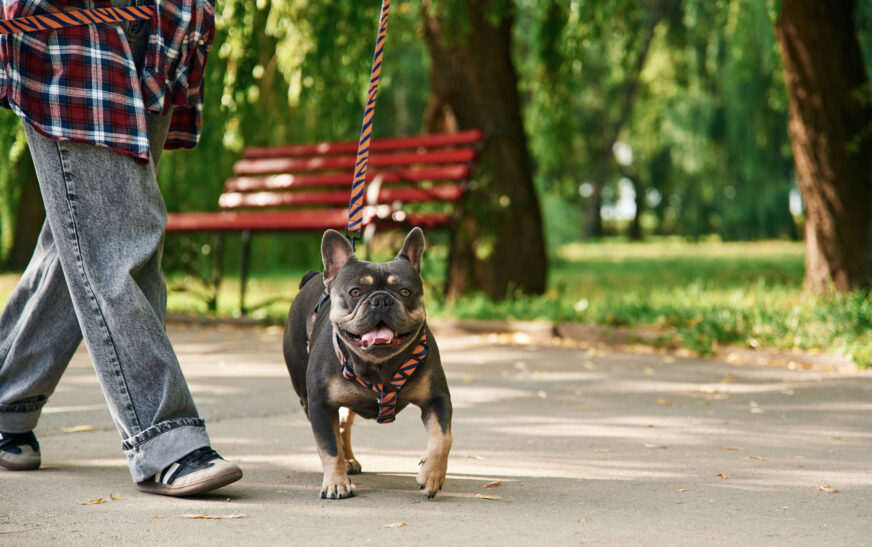

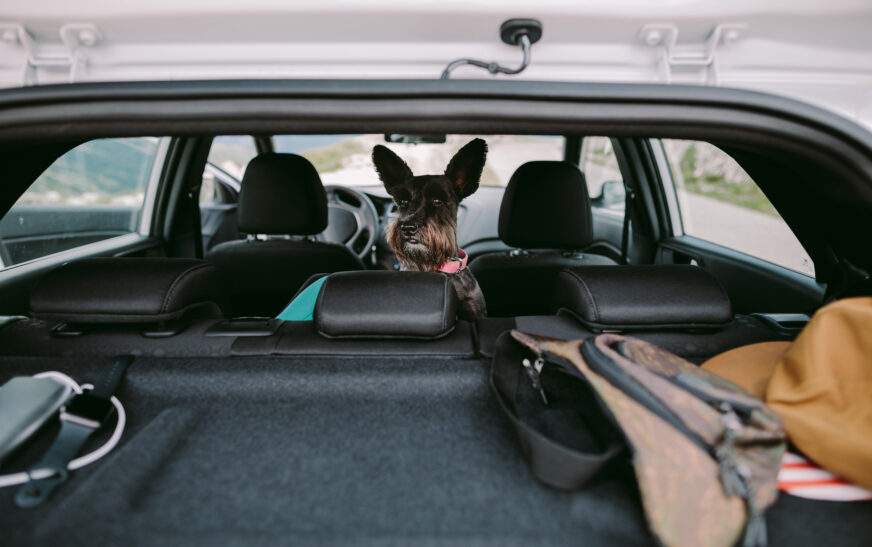
It is no secret that traveling long distances with animals is a complex task; however, if done correctly, it can be a great experience for the whole family. Moving to a new place, planning an adventure road trip, or boarding a plane together – whatever the purpose of the journey is, there are several essential points that should be considered before the trip starts. Thus, this paper will discuss how to organize a long-distance travel with animals efficiently.
Choosing the Right Vehicle
The first aspect to address is choosing a car that is able to accommodate your pet(s). If the animal is small, a hatchback or a sedan can be sufficient, but for large breeds or a few creatures, it might be wise to purchase a bigger car. In particular, when choosing a vehicle, one should take into account the following characteristics:
* Space: It is vital to ensure that there will be enough space for your pet(s) to walk around;
* Comfort: It is crucial to pick a car with comfortable seats and sufficient ventilation to avoid overheating;
* Safety: There should be a special place inside the car where your pet will be able to move without escaping;
* Practicality: One must think about how easily a pet can be loaded/unloaded, as well as how to reach their food and drink.
Some of the best cars that are fit for a family travel with pets include the Honda Odyssey, Toyota Highlander, and Subaru Ascent.
Preparing Your Pet for Long-Distance Travel
Before starting the journey, one should consider several recommendations that will help the creature feel comfortable during the ride. To begin with, it is advised to visit the vet and get all the necessary procedures completed, such as vaccinations or medication, in case it is needed. Then, one should microchip their pet and provide it with a collar and identification tags to track its whereabouts if something happens. It is recommended to train your pet to stay in the crate because it will reduce the possibility of escape or injuries. Moreover, a gradual adjustment to the new surroundings will make your pet feel less stressed. Finally, it is important to pack all the necessary items, including toys, snacks, and other items.
Health Considerations
While organizing the travel, one should consider the pet’s health status. Firstly, it is vital to make regular stops at the roadside cafes or parks, as the lack of breaks can lead to severe health problems, such as exhaustion and dehydration. Furthermore, it is recommended to control the temperature in the car to avoid hypothermia or hyperthermia. To do so, one can buy a thermometer for measuring your pet’s body temperature. Besides, it is advisable to pack extra water for drinking and hygiene purposes, as the animal will sweat during the hot weather or intensive physical activity. Moreover, it is recommended to pay attention to the pet’s behavior during the travel to determine whether they feel stressed.
Air Travel with Animals
If you decide to travel by plane with your pet, several aspects require special attention. First, it is important to study the airline’s policies regarding animal transportation in advance and understand all the restrictions and requirements. Next, one should purchase a special carrier that will comply with the airline’s standards and provide sufficient space and comfort for your pet. Thirdly, like for car trips, it is vital to gradually accustom your pet to staying in the crate to prevent panic and excessive movement inside the plane. Finally, it is also advisable to bring additional items, including food, toys, and a special bed.
Long-Distance Road Trip Tips
Finally, several pieces of advice are provided for the people who are planning to go on a road trip with their pets. To start with, it is recommended to plan the route in advance and find the places where you can stop and feed your pet. Second, like for car trips, it is also essential to prepare a set of supplies that will ensure the creature’s comfort. Third, one should ensure that their pet has enough space for physical exercises. For instance, it will help to avoid fatigue and stress. Fourth, it is also advisable to monitor the temperature in the car to prevent hypothermia and hyperthermia.
Conclusion
To sum up, traveling long distances with animals requires thorough preparation. Therefore, one should choose the right vehicle, prepare the creature, pay attention to health issues, follow airline policies and road trip tips. With these tips and tricks, one will be ready for any challenge.