
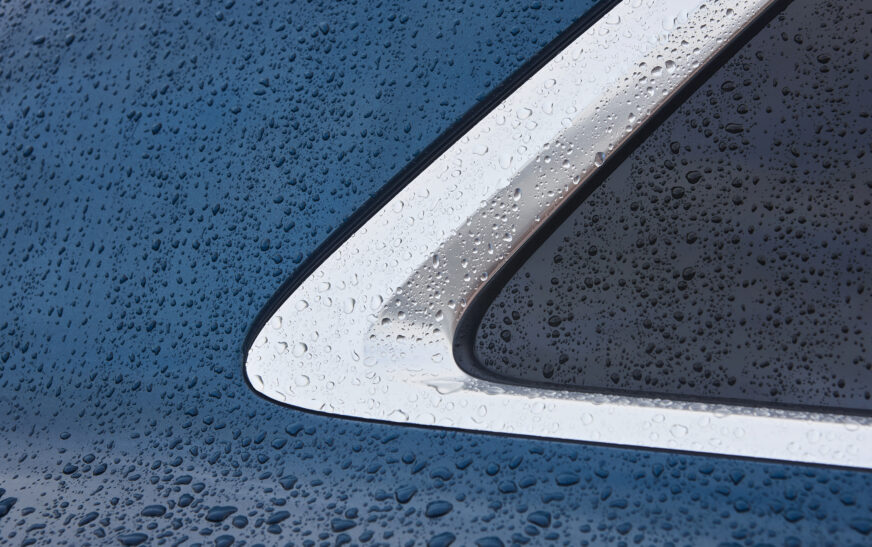
While rain is great for the environment, it can pose some serious damage to your car. Therefore, when water hits your car, you should pay special attention to protecting it. The effects of water exposure can be severe if no proper measures are taken. That being said, there are some basic things that you can do to protect your car from the consequences of rain.
Inspecting the Car after Rain Exposure
First things first, once the rain has stopped, start checking for water damages. The signs of rainwater penetration include water spots, mineral deposits, and even rust. Each of these issues needs to be addressed properly.
Water spots can appear on the paint job, wheels, and other parts. They result from mineral deposits found in rainwater. In order to eliminate water spots, you’ll have to use special cleaning products and soft cloths. Do not use household cleaning products since they might ruin your paint job.
The next issue that requires your attention is the appearance of rust. It can affect the frame, wheels, and all the metal elements of the car. In case you find out that your car was exposed to rainwater, you will have to do something about it immediately. For instance, it’s advisable to apply a rust inhibitor coating on the affected areas to prevent further corrosion.
Inspection of the Interior
After having a closer look at the exterior parts of the car, it’s time to check its interior as well. Pay attention to the water leaks, mineral deposits, and water spots. All of these issues point at rainwater leakage. Moreover, wet interior usually means that there might be some short circuits in the car’s electrical system. So, you need to act quickly and dry it as soon as possible. Also, check whether any water penetrated the carpets and upholstery.
Water can leak through a sunroof, windows, or doors. However, even in the absence of any leakage, you might end up with some serious damages. Therefore, it’s advisable to make sure that there’s no moisture inside the car, especially in its electrical parts.
Clean and Dry the Exterior of the Car
The next thing that you have to do after a rainstorm is to clean and dry the exterior of your car. First of all, you should rinse it using a hose to wash off any dirt and debris. Then, use some special cleaning products to eliminate water spots or mineral deposits.
Do not use high-pressure washers to wash your car. Doing so can cause damage to your paint or wax job. Therefore, the best option is to use a soft cloth and a special product to clean off your car.
Drying Your Car
Drying is the most important process as far as protecting your car from water damage is concerned. You see, rainwater can easily penetrate your car and damage its electrical system. In addition, it can affect the carpets and upholstery. Thus, the faster you dry your car, the better.
Start with drying the exterior. Use a microfiber towel to wipe all the water from the car. Pay special attention to the areas that are prone to accumulation of water. Then, use a soft brush to dry the wheels and wheel wells.
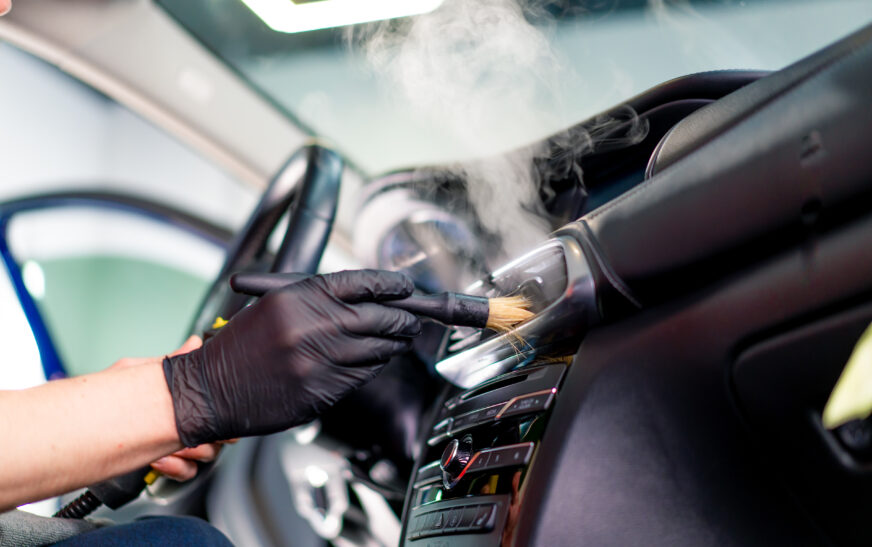
Next comes drying of the interior. You will have to dry the electrical system, carpets, and upholstery of the seats.
Prevention Is Better than Cure
If you want your car to last for long, you should pay close attention to its regular maintenance. In addition, try to have inspections done regularly. Check all the fluids to make sure that they are in the recommended range. This includes engine oil, transmission fluid, and coolant.
Also, inspect your tires, brakes, and the suspension system to make sure that everything is alright. Address all the issues you discover to prevent them from developing in the future.
Final Thoughts
Besides the tips mentioned above, there is one more thing you can do to protect your car from water damage and leaks. First of all, you need to locate the source of the leak and seal it properly. Use waterproof sealants to do that.