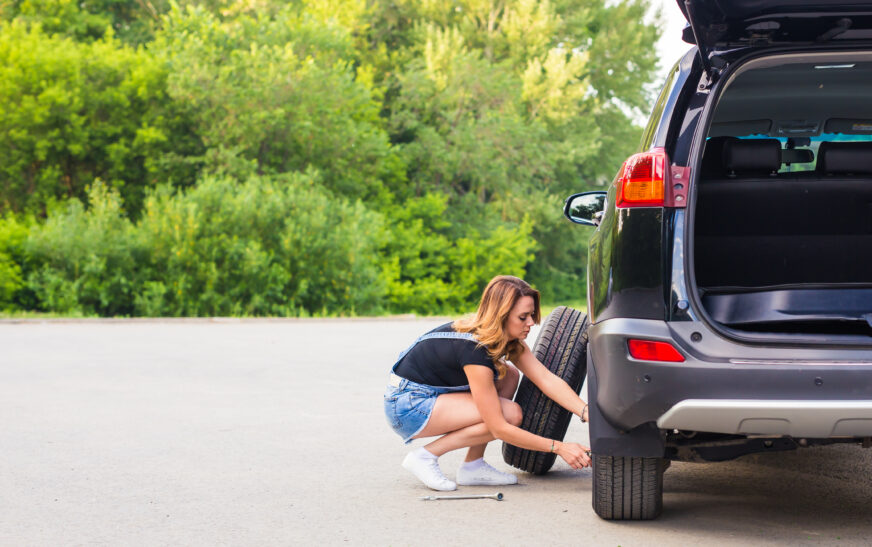

The maintenance of the required tire pressure is not a commonly discussed topic; however, it is an important aspect of overall vehicle performance. Underinflation can cause decreased mileage, increased wear, and even become a reason of danger on the road. Besides, overinflation will result in poor traction and higher risk of a blowout. Therefore, the recommended tire pressure must be maintained through regular checking and adjustment of its values.
Understanding the basics of the subject
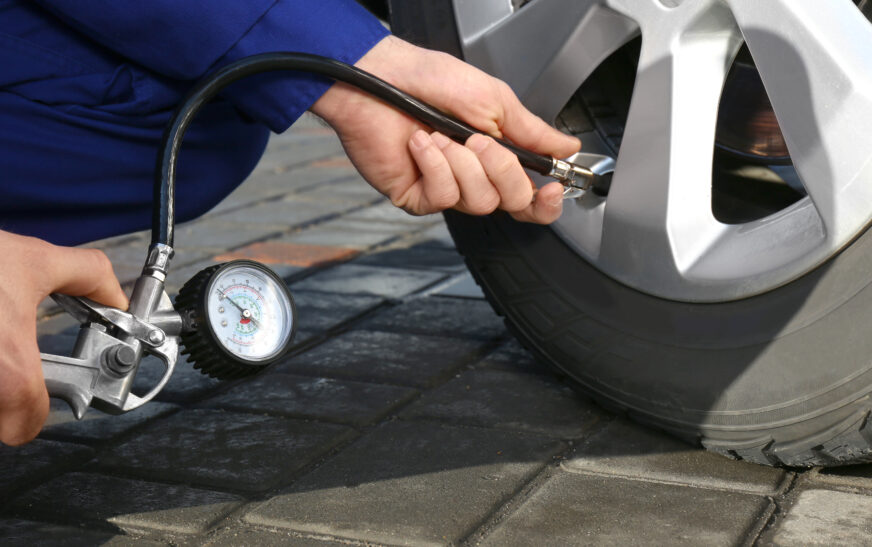
Tire pressure is determined using the measure of pounds per square inch (PSI). Several factors affect the pressure, among which are the tires’ type, the total weight of the vehicle, and the current temperature of the tires. In recent years, the majority of cars are equipped with the tire pressure monitoring system (TPMS) which alerts the driver about the required inflation adjustment. However, it is recommended to perform the measurements independently once a month and before taking any long-distance trips. For such purposes, you need a tire pressure gauge that can be found at any auto parts store.
Proper checking procedure
When conducting a test, the temperature of the tires is extremely important. For example, the measurements taken after driving for several minutes will be inaccurate since the tire gets warmed during the movement, resulting in an increased pressure. Consequently, one must always make sure that the vehicle has been stationary for at least three hours. Then, it is necessary to determine the recommended tire pressure. This information can be located both on the tires’ sidewalls and the owner’s manual. The final step consists of using the pressure gauge to get a measurement and compare it to the suggested value.
Significance of maintaining tire pressure
Maintenance of the recommended pressure is important in terms of fuel savings and increased vehicle safety. Firstly, the correct pressure means less friction between the tire and the asphalt surface which results in decreased rolling resistance and, thus, improved fuel consumption rate. Secondly, well-inflated tires are known to last much longer. This reduces the total expenses connected to their replacement and the frequency of these procedures. Thirdly, proper tire pressure contributes to enhanced road safety. Underinflation decreases tire’s traction leading to difficulties in stopping the car or performing sharp turns. Thus, it becomes significantly harder to control the car in slippery situations. Moreover, overinflation leads to decreased traction and higher chances of blowing up. Finally, it is recommended to adjust the pressure according to the road’s condition. Namely, softer surfaces such as snow require more air pressure than hard pavements.
How to conduct the measurement regularly?
The following recommendations may help to incorporate tire pressure check into your routine:
– Measure the tire pressure at least once a month and before taking any long trips;
– Use the tire pressure gauge;
– Check the recommended pressure and compare it to the measured one;
– Add air to the tire if necessary;
– Release some air if the value is too high.
Consequences of negligence
Neglecting the tire pressure is dangerous since it results in decreased fuel efficiency, higher probability of tire wear and, eventually, the accident. As discussed above, underinflation causes problems with controlling and maneuvering the car, making it more likely that you will lose control over it in slippery conditions. On the other hand, overinflation leads to decreased traction and higher risk of a blowout.
Tire pressure myths and misconceptions
There exist a few myths regarding tire pressure which might confuse people and cause problems on the road. First, there is a misconception that you should measure tire pressure only after warming them up. Actually, the best way is to perform the test when the tires are still cold, which means no driving for at least three hours. Second, one might think that the maximum pressure indicated on the tires’ walls is optimal. Instead, the recommended pressure is often lower. Third, it might seem that tire pressure should be controlled exclusively by TPMS. However, checking it independently would never hurt.
Maintaining the tire pressure
In order to maintain the recommended tire pressure, you should perform regular measurements and adjustments if necessary:
– Measure the tire pressure once a month and before taking long trips;
– Take readings using the gauge and compare them to the recommended pressure;
– Add some air to the tire if the pressure is insufficient;
– Decrease the air volume if the pressure is too high.
Tire pressure and weather
Extreme temperatures affect tire pressure quite strongly. In order to avoid problems caused by weather changes, you should perform the following steps:
– During winter, tire pressure tends to be lower. Perform regular measurements and inflate the tires;
– On hot summer days, tire pressure increases. Monitor the situation and deflating the tires may be necessary.
Conclusion
Tire pressure is one of those aspects of vehicle maintenance that is commonly ignored yet vital for your safety and vehicle performance. With the help of the tips given above, you will be able to avoid the risks associated with wrong pressure values and enjoy safe driving.