
Fuel prices have increased significantly since the emergence of climate change and other problems like global warming. Therefore, most motorists are looking for ways through which they can save on the cost of fuel. However, this can easily be achieved through certain steps that motorists need to take while driving their vehicles. This paper highlights a number of strategies through which motorists can save on fuel while driving their cars.
Vehicle Maintenance to Save on Fuel Consumption
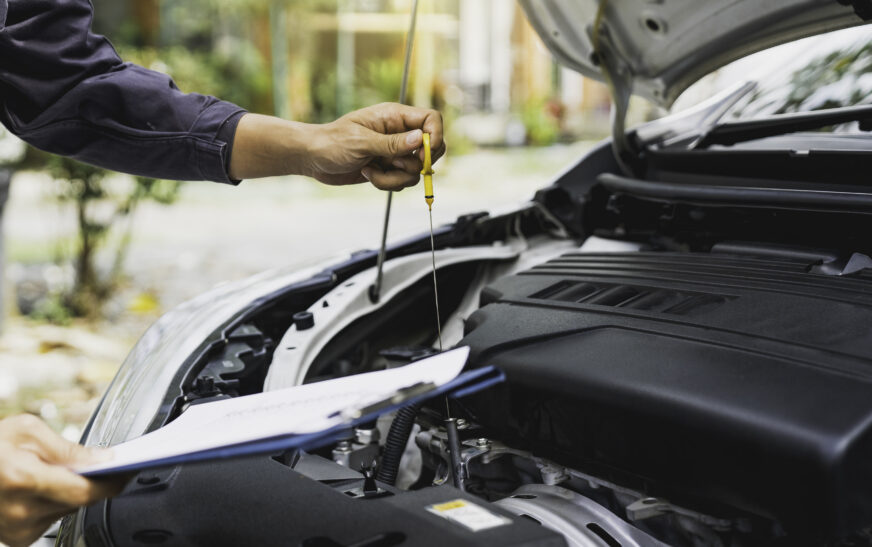
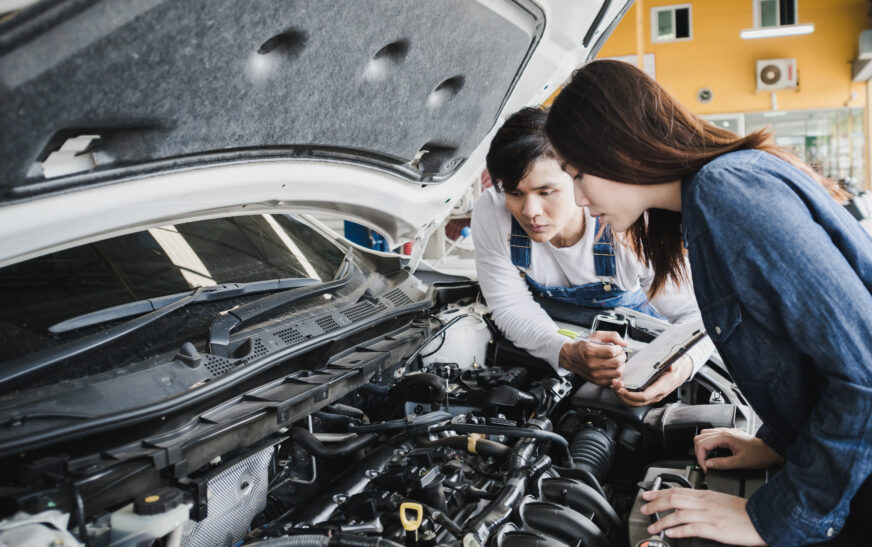
The first step to achieving improved fuel efficiency while driving is to maintain one’s vehicle. In some cases, regular maintenance of vehicles may help increase their fuel efficiency by about four percent. However, one can use certain strategies in order to save more fuel when using his/her car. For instance, one should keep clean air filters. Dirty air filters have been found to reduce fuel efficiency of vehicles by about twenty percent. This means that one has to replace the air filter regularly after covering between fifteen thousand and thirty thousand miles.
Another way through which a person can increase his/her vehicle fuel efficiency is by checking on the spark plugs regularly. Normally, one needs to replace the spark plug periodically once he or she has covered about thirty thousand to one hundred thousand miles. On the other hand, worn out spark plugs may affect the overall fuel efficiency of one’s car by about thirty percent. One should also ensure that he/she maintains good belts and hoses. Worn out belts and hoses may cause poor operation of one’s vehicle and, therefore, reduce fuel efficiency by up to ten percent.
Other factors that may affect the fuel efficiency of vehicles are the tire pressure and brakes. Underinflated tires may affect a person’s fuel consumption negatively and, therefore, decrease fuel efficiency by about three percent. However, one may prevent this problem through regular checking of his/her tires and ensuring that they have the required pressure. Another factor that may affect fuel efficiency is worn-out brake pads. In such case, the engine works harder and, consequently, reduces fuel efficiency.
Furthermore, dead batteries and worn-out engines have a negative impact on the fuel efficiency of one’s vehicle. Dead batteries may force a person to use more fuel in starting his/her car. Worn out engines may also increase one’s fuel consumption and, therefore, lower its overall efficiency. One may prevent such situations by keeping clean engine oils and replacing dead batteries.
Certain driving practices also help improve one’s fuel efficiency. For example, one should drive slowly by accelerating gradually. Such actions help improve fuel efficiency up to ten percent because they minimize the amount of fuel used while accelerating.
On the other hand, one should drive at a constant speed in order to improve fuel efficiency by ten percent. In doing so, one prevents the engine from working hard while trying to accelerate or decelerate.
It is also important to mention that one’s fuel consumption rate decreases while coasting. This means that one can save more fuel while coasting. In fact, this practice increases fuel efficiency by about ten percent. Similarly, cruise control systems increase one’s vehicle fuel efficiency. Using cruise control on the highway helps one save about ten percent of fuel.
Other driving practices that increase fuel efficiency include idling and aggressive driving. For example, idling uses about one gallon of fuel within an hour. Aggressive driving practices may lower one’s fuel efficiency by about thirty-three percent. On the other hand, racing consumes up to fifty percent of one’s fuel.
Some driving habits that lead to low fuel efficiency are carrying a heavy load, speeding, and changing gears too often. All these factors force the engine to work extremely hard and, therefore, increase one’s fuel consumption. Therefore, avoiding them increases fuel efficiency.
Technology to Increase Fuel Efficiency
In addition to maintaining one’s car and observing certain driving practices, one can improve fuel efficiency through the use of technology. First, one should regularly check on the fuel injectors in order to ensure that they deliver the right amount of fuel to the engine. Regularly maintaining fuel injectors helps one save on fuel by up to ten percent.
The use of turbos in one’s car can also help improve fuel efficiency by up to twenty percent. This technology ensures that more amounts of air reach the engine. In addition to this, one should check on the condition of the catalytic converter in his/her car. The use of catalytic converter improves fuel efficiency by up to ten percent.
Finally, a person can improve fuel efficiency through the use of applications available on mobile phones. These applications help monitor fuel efficiency in real time and, therefore, give motorists necessary tips. There are a number of features that one can consider while buying a new car. For example, one should purchase cars with advanced fuel saving technologies. Some of these features include start/stop and regenerative braking.
Similarly, one can buy a vehicle constructed with light weight material to help save fuel by up to ten percent. Lighter weight materials help in reducing fuel consumption while accelerating or decelerating. Finally, one may consider buying cars with aerodynamic designs. Such design saves fuel by up to ten percent.
Additional Tips for Saving Fuel
There are a number of tips for improving fuel efficiency that have not been mentioned. For example, one should plan his or her trip before traveling. This helps one avoid congestion and, therefore, save on fuel costs. One should also try to avoid driving through the highways and roads with traffic lights. This practice may help one save more money on fuel.
One can also choose to travel together with other persons to reduce fuel consumption. In addition to this, using public transport is another alternative one should consider if he or she wants to improve fuel efficiency.
Reducing speeds may also help motorists save money on fuel consumption. This can lead to saving of about ten percent of fuel consumed during travels.