
Introduction
India is a country that boasts diverse regional cultures with their unique features. There are over 22 official languages in India, and the population is estimated at over 1.3 billion people. As a result, there are many regions in India that boast distinct regional cultures. The northern region is different from the southern region, which is also different from the western and eastern regions. Each of these regions has unique cultures and features. Understanding the different regional cultures in India is important for people who want to visit or work with Indians. This paper discusses regional cultural differences in India.
Understanding Regional Cultural Differences
There are several aspects to consider when discussing regional cultural differences in India. These include languages, cuisine, dress, customs, music, dances, and more. One way to understand regional cultural differences in India is to consider the northeastern states, which include Manipur and Nagaland. These states are close to Southeast Asia, and they share some of the cultural characteristics of Southeast Asian countries. The south Indian states of Kerala and Tamil Nadu are unique in terms of culture because of their Dravidian language and cultural heritage.
Regional cultural differences are significant in India because they affect various aspects of life in the country. Some of the regional cultural differences in India include the use of English as an official language, which is common in northern India, while other regions prefer Hindi. Another difference is the use of regional languages in different parts of India. Some regions use Telugu, Bengali, Marathi, Urdu, and Tamil languages. Regional cultural differences also include cultural practices, such as wedding ceremonies and rituals, which differ significantly among Indian regions.
Understanding Regional Cultural Traditions
Another aspect to consider when discussing regional cultural differences in India is the culture traditions in different regions. Different parts of India have distinct cultural traditions, including languages, music, and other aspects of culture. The culture traditions of India’s different regions include festivals, which play an essential role in different Indian states. The Onam festival in Kerala, Holi festival in the north, and Diwali festival in the west are some of the prominent festivals in India. Some other festivals include Maha Shivratri, Ganesh Chaturthi, Durga Puja, and Eid-ul-Fitr.
Regional culture traditions in India include various art forms and musical styles, such as folk and tribal music, classical music, and classical dances. For example, some of the popular classical dances in India include Kathak, Bharatanatyam, Manipuri, Odissi, Kuchipudi, and Sattriya. Indian classical music also includes various styles, such as Hindustani, Carnatic, and other musical styles that have evolved throughout India’s history. Other art forms that reflect Indian regional culture traditions include painting, sculpture, textile arts, theater, and literature.
Understanding Regional Cultural Cuisine
The cuisine in India differs significantly across the country’s various regions. Some of the prominent regional cuisines in India include Bihari cuisine, Bengali cuisine, Kashmiri cuisine, Mughlai cuisine, Maharashtrian cuisine, South Indian cuisine, Rajasthani cuisine, Goan cuisine, and Western Indian cuisine. Each of these cuisines has distinct features, ingredients, and cooking methods. For example, Bihari cuisine has dishes made using mustard oil, fish, vegetables, and cereals. The South Indian cuisine has a vast variety of vegetarian dishes, while Kashmiri cuisine is characterized by meat dishes.
Different Indian cuisines include various beverages, which differ according to Indian regions. The most popular beverages in India include Masala Chai (tea), coconut water, buttermilk, lassi, mango juice, and others. Various Indian regions enjoy these beverages. Moreover, the drinking habits in India are influenced by the local climate, season, and geographical location. For example, people living in hot climates prefer cool drinks, such as buttermilk and lassi, while people in cold climates prefer warm drinks, such as tea and coffee.
Understanding Regional Cultural Dress
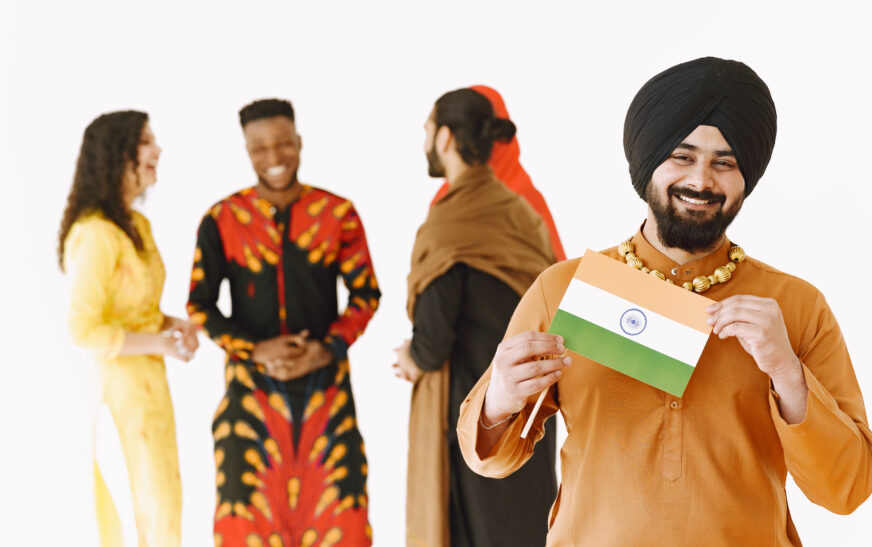
Indian dress styles differ according to the country’s regions and states. People in different Indian states wear different clothing items that reflect regional culture. For example, people in Maharashtra wear traditional Gujarati Patola, while people in Bengal wear traditional Bengali sari. In Karnataka, women typically wear the Mysore silk saree, while men in Punjab wear Kurta pyjama. In Gujarat, women traditionally wear the Gujarati chaniya choli, while people in Rajasthan wear the Rajasthan dress.
Modern Indian clothing styles are influenced by global fashion trends. For example, people in India wear t-shirts, jeans, and western clothing items. Women in Mumbai wear designer clothes, while women in other regions wear traditional outfits during special occasions, such as weddings. Indian clothing styles are characterized by bright colors and unique embroidery techniques. Moreover, women and men in various Indian states wear regional attire during festivals, weddings, and other celebrations.
Understanding Regional Cultural Music and Dance
Indian music and dance styles differ significantly in India according to states and regions. Traditional Indian music styles include instrumental music, vocal music, and devotional music. Some examples of Indian traditional music styles include Ghazal, Thumri, Khayal, Dhrupad, Tarana, and others. Some of the modern Indian music styles include rock, fusion, and others. Moreover, various Indian states have different musical instruments and styles, including tabla, dhol, harmonium, bansuri, mridangam, sitar, santoor, and others.
Traditional Indian dances include classical dances, folk dances, and tribal dances. Classical dances in India include various forms, such as Kathak, Bharatnatyam, Odissi, Kuchipudi, Manipuri, Mohiniattam, and Sattriya. Folk dances in India include many styles and forms, such as Garba, Kathputli, Ghoomar, Lavni, and others. Some of the prominent Indian dances include Indian Bollywood dance, Indian folk dances, and Indian classical dances.
Understanding Regional Cultural Idioms and Phrases
The Indian subcontinent is known for having hundreds of languages spoken in different regions. The Indian languages include Sanskrit, Marathi, Punjabi, Assamese, Urdu, Telugu, Malayalam, Kannada, and others. Indian languages have numerous idioms and phrases used in specific regions and languages. Therefore, idioms and phrases in India differ from state to state, from region to region, and from language to language. For example, in Assamese, the phrase "aap apankun" means "you yourself." In English, the phrase translates into "it is up to you."
In Bengali, the phrase "e ki boltey parey keu na" means "no one understands what’s being said." In Tamil, the phrase "oruvan oruvan" means "one person, one identity." Another Tamil phrase that people frequently use is "thirukkural," which refers to a famous ancient Tamil book. In Telugu, the phrase "vishnuvardhana" means "growth in the form of Vishnu," and it refers to a powerful Hindu deity. In Punjabi, the phrase "chalo" means "let us go."
Navigating Regional Cultural Differences
To navigate Indian regional cultural differences, you need to follow several strategies. First, you should conduct research on Indian cultures and traditions. Next, you should be respectful of all Indian cultures, customs, and traditions. You should also ask questions if you have any doubts. Finally, you should be patient and flexible enough to adapt to regional cultural differences.