
When developing a balanced diet plan, one might feel lost in a myriad of different options. However, having knowledge regarding nutrition and an ability to build a logical strategy would help to develop a good diet plan. First, one should know what kind of dietary needs there are and how to satisfy them through eating particular foods. Thus, the importance of macronutrients and other important components in food will become obvious.
Understanding Your Nutritional Needs
First, it is crucial to know your nutritional needs. Age, sex, current weight, height, and physical activity affect dietary needs. So, athletes should have higher consumption of calories because their body requires additional energy. As for sedentary people, they require fewer calories.
Macronutrients: The Building Blocks of a Balanced Diet
There are three macronutrients, which play a major role in satisfying dietary needs. These macronutrients include carbohydrates, protein, and fat.
* Carbohydrates are the main source of energy that comes to the body. There are two kinds of carbohydrates: simple and complex. Simple carbohydrates are rapidly digested and absorbed into blood plasma. They bring instant energy but do not contain many vitamins and minerals. The main difference between simple and complex carbohydrates consists in their ability to digest. Thus, simple carbohydrates provide an immediate effect whereas complex carbohydrates require additional time to process in the body. Examples of simple carbohydrates include sugar and honey. Complex carbohydrates include whole-grain foods and fruits.
* Protein is crucial for building and regeneration processes in the body. There are two main sources of protein, which include animal sources (meat and dairy products) and plant ones (beans, lentils).
* Fat is necessary for energy production, vitamins absorption, and skin and hair health. In addition, fat serves as insulation. As for kinds of fats, they include saturated and unsaturated. Animal sources contain saturated fats whereas plants contain unsaturated ones.
These macronutrients should be included into daily intake. Thus, a balanced meal plan should cover all the macronutrients mentioned above.
Building a Balanced Meal Plan
A balanced meal plan implies variety in foods. All five food groups should be included in the meal plan, such as:
Fruits, vegetables, whole grains, lean protein sources, and healthy fats. Here are some additional pieces of advice about creating a balanced meal plan:
* Eat a rainbow: Eating colorful fruits and vegetables means consuming more vitamins and minerals.
* Whole grains are preferable: Refined grains should be avoided due to lower levels of fiber.
* Lean protein sources should be consumed: It contributes to weight loss and provides necessary amino acids.
* Nuts, seeds, and avocados are healthy fats: They serve as sources of energy and promote the growth of beautiful hair.
Planning Your Meals
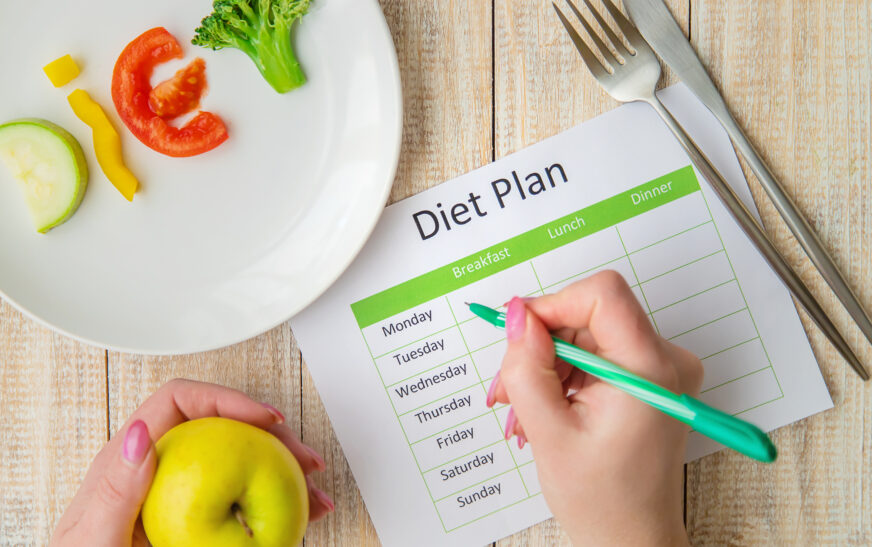
It makes sense to develop a meal plan for every day. In this case, you will get a better opportunity to control your food choices. Here are some recommendations for meal planning:
* Create a meal calendar: It helps to develop a meal plan in advance and make a shopping list.
* Cook in bulk: You will need less time and it will contribute to the correct proportion of ingredients.
* Use leftovers: They can become a part of another dish.
Eating Out and Social Situations
One should keep in mind that eating out and attending parties complicate the process of maintaining a balance. Nevertheless, it is possible to follow the meal plan even in difficult situations.
* Research your choice: Find out what kind of foods will be provided at a party and make a wise decision.
* Have your snacks ready: It is good to bring them in order not to eat fast-food products.
* Set your boundaries: Sometimes, it is necessary to refuse from certain offers if they contradict the meal plan.
Common Diet Plan Mistakes
Here are some tips on avoiding mistakes in building a balanced diet plan:
* Avoid cutting out entire food groups.
* Do not overdo with supplements.
* Drink plenty of water: Staying hydrated is as important as nutrition.
* Consult with your doctor first.
Conclusion
The creation of a balanced diet plan requires some knowledge regarding the necessity of particular foods and macronutrients. Thus, one should know how to build a balanced meal plan. Moreover, one should remember the rules of proper nutrition while eating out.