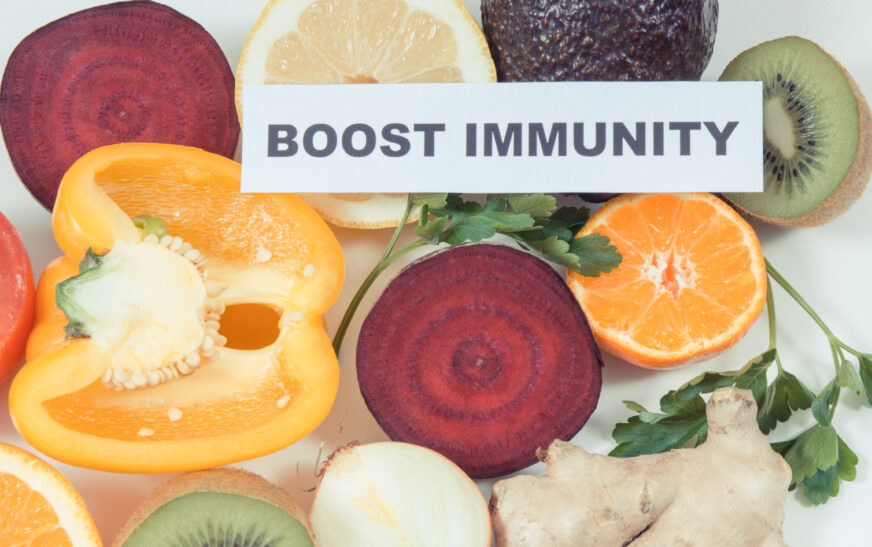


"Gut Brain" refers to our gut. Many reasons exist for using this term because of the gut’s vital role in our health and wellbeing. It plays a vital role in digestion, nutrient absorption, metabolism, and other critical processes. However, imbalance in the gut microbiota may lead to different diseases, including digestive disorders and psychological illnesses. Fortunately, there are numerous ways to look after the gut microbiota, and doing so will result in tremendous benefits.
What Is Gut Health?
Gut health is the term referring to our digestive system’s condition. It is vital for a person’s physical and mental well-being because of its influence on such aspects as nutrient absorption, immune system, hormone regulation, and brain development. Furthermore, research indicates that the composition of gut microbiota has a strong impact on our likelihood of suffering from various illnesses.
There are different factors that can influence the condition of our gut microbiota. For instance, an imbalanced diet, sedentary way of life, chronic stress, and antibiotics can all be detrimental to our gut health. On the contrary, a nutritious diet, exercise, stress management, and probiotic consumption are beneficial.
Eating For Gut Health
A change in diet is the simplest and one of the easiest methods of improving our gut health. Consuming various foods that are rich in nutrients allows us to create an environment that is conducive to the development of beneficial microorganisms and decrease in inflammation. Foods that are good for gut health are:
Fermented foods – Fermented products like kimchi, sauerkraut, yogurt, and kefir contain live cultures that help proliferate good bacteria in the digestive tract. Such foods are rich in protein, calcium, vitamin D, and vitamin K. It is recommended to eat fermented foods to promote gut flora because it contains bacteria in ready-to-eat forms.
Foods rich in fiber – Vegetables, fruits, and whole grains are rich in dietary fiber. This food component helps with digestion and preservation of the condition of intestinal mucosa. Moreover, beneficial bacteria need to consume dietary fiber in order to thrive.
Foods rich in omega-3 – Salmon, flax seeds, chia seeds, and walnuts are rich in omega-3 fatty acids. These food components prevent the secretion of inflammatory cytokines, reducing inflammation. In addition, they reduce inflammation in the body.
Probiotic foods – Probiotics are foods with living cultures of bacteria and yeast. Probiotic consumption leads to an increase in the amount of beneficial bacteria in our body, thus helping restore the balance in gut microbiota. Examples of such foods are kefir and kombucha.
However, there are certain foods that we need to avoid in order to boost our gut health. Processed foods often contain harmful preservatives and chemicals, which are not conducive to the development of good bacteria. Furthermore, these foods can lead to digestive problems. Excessive consumption of sugar promotes the multiplication of harmful bacteria, thus leading to such problems as diabetes and obesity. Moreover, consuming dairy products may result in bloating and nausea.
Staying Hydrated
Drinking a sufficient amount of water is also very useful for maintaining good gut health. If we drink too little water, we may suffer from dehydration. Some of the effects of dehydration include constipation, diarrhea, bloating, and nausea. Drinking plenty of water will help:
Ensure regular bowel movement – It will enable food particles to move freely and faster through the digestive system, ensuring regular bowel movements;
Reduce inflammation – By removing toxins and preventing oxidative stress, it will reduce inflammation;
Maintain the level of beneficial bacteria – Good bacteria require a suitable environment in order to reproduce effectively. Water consumption is essential for the maintenance of gut bacteria populations. It is recommended to drink eight cups of water per day in order to avoid dehydration.
Managing Stress
Stress is another thing that may damage our gut. Our body releases stress hormones including cortisol and adrenaline. In excess amounts, stress hormones may damage the gut lining. Moreover, stress produces inflammation, thus disrupting the balance in immune response and gut flora.
To manage stress effectively, one should practice yoga, meditate, or engage in other techniques that help reduce stress. For example, yoga is known for lowering stress and thus decreasing discomfort in the area where the gut is located.
Getting Enough Sleep
Good gut health requires sufficient sleep because it influences overall body performance. When we do not get sufficient sleep, our body enters into a state of stress, resulting in inflammation and suppression of immune response. Moreover, the process of gut motility slows down if we lack sleep. Thus, it takes longer time for food to pass through the digestive system.
One needs to obtain sufficient sleep for their gut to remain healthy. Seven hours of sleep per day is desirable, but at least eight hours are required. Establishing a regime that guarantees proper sleep can also help.
Consider Supplements
Supplements can also help in maintaining a good gut flora. For instance, probiotics, prebiotics, and omega-3 fatty acids can promote good gut health. Here is how:
Probiotics – These are live microorganisms that positively impact our health. Probiotics are abundant in yogurt, kimchi, and kefir. Consuming probiotics helps positively influence the balance in gut flora and our immune response;
Prebiotics – Food components that may help the growth of good bacteria in our gut are prebiotics. Prebiotics include inulin, pectin, and galacto-oligosaccharides, which can be found in fruits, vegetables, and grains. Prebiotics help restore the balance in gut flora because of the nutritional value;
Omega-3 fatty acids – Such foods as fish oil, flaxseeds, and chia seeds are rich in omega-3 fatty acids. Due to their anti-inflammatory properties, omega-3 helps calm inflammation.