
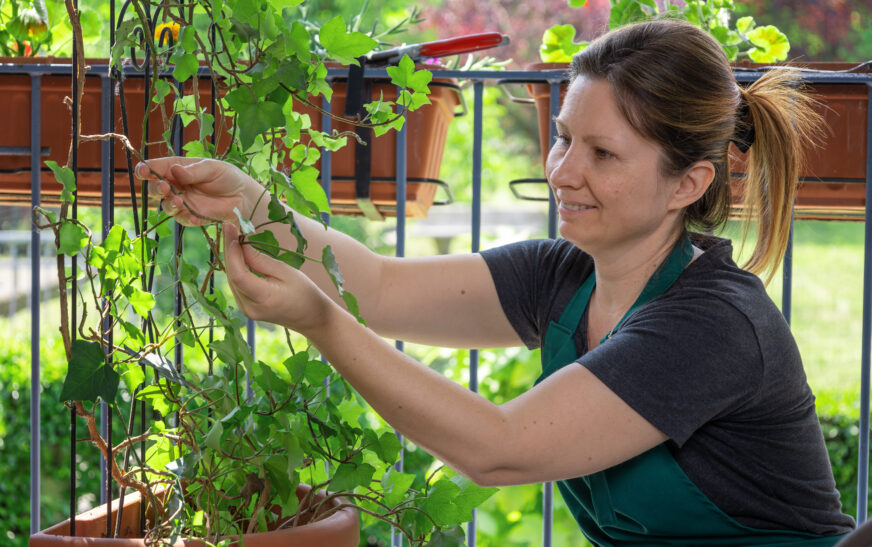
There is no doubt that cultivating climbing plants is a great idea to decorate a house, adding a touch of elegance and beauty. It is worth mentioning that apart from having a good effect on purifying the air and creating positive emotions, growing climbing plants is associated with some aesthetic advantages. With the proper care and knowledge, everyone can cultivate climbing plants successfully.
Choosing the Right Climbing Plants
First of all, when considering how to grow climbing plants, it is necessary to pay special attention to choosing the right species. Among such plants, people choose pothos, English ivy, and monstera, which are quite easy to grow at home. However, Boston ivy and clematis are much more complex in terms of cultivation and care. Before cultivating climbing plants at home, it is essential to consider the lighting and amount of free space in the room. People with rooms facing north should opt for shady plants like pothos. Those who have spacious and sunny rooms will be able to cultivate more demanding climbing plants like monstera.
Preparing the Growing Space
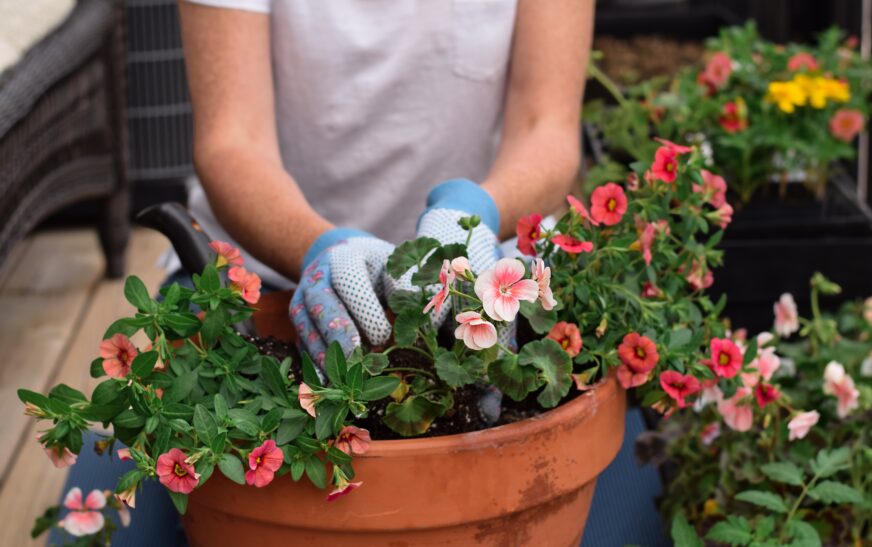
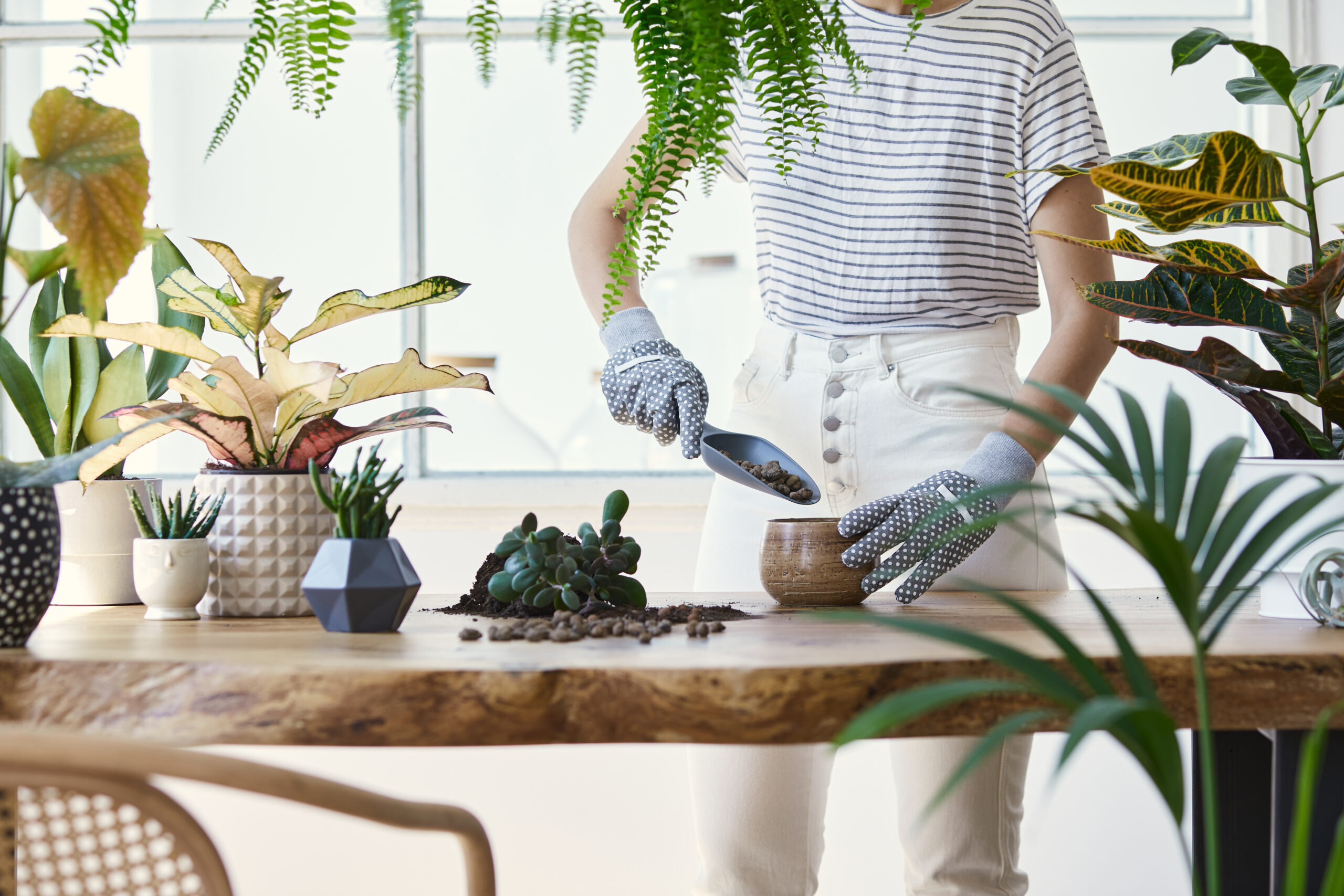
The next step after choosing the right climbing plant is preparing the growing space. For example, to provide your plant with an appropriate environment, you will need to find proper containers, install trellises or any other systems for supporting climbing plants, and provide them with a fertile soil and fertilizer. As far as containers are concerned, it is necessary to make sure that it is deep enough to allow the roots of the plant grow comfortably. Besides, it should be spacious enough for a full-grown plant.
As for fertilization and soil selection, it is important to note that one should purchase high-quality soil and fertilizer for indoor plants. To keep the roots of the plant healthy, one should choose a special soil with perfect draining abilities. Moreover, it is also crucial to fertilize the plant correctly. Finally, there is a variety of options one can use to create a trellis. They include branches of trees, wire mesh, and many others.
Proper Care and Support
Undoubtedly, climbing plants require regular maintenance, including fertilization, water supply, pruning, and repotting to stay alive. With regards to watering, it is necessary to monitor the amount of moisture in the soil and water the plant accordingly. Overhydration causes root rot and other problems with the development of the plant. Pruning allows getting rid of unhealthy leaves and stems in order to promote further growth and prevent the plant from losing its beauty.
Repotting, in turn, is a procedure, which involves replacing the soil in the pot, and increasing its size, as climbing plants usually grow fast. When growing climbing plants, people also use various training techniques. They include tying plants to the trellis using wires and twines, and pruning, which encourages stem branching and makes the plant more beautiful.
Common Issues
Unfortunately, climbing plants may suffer from various problems, including pest infestations. Common climbing plants pests include mealybugs, spider mites, and scale. Luckily, they are quite easy to treat using insecticides or any other means for getting rid of these pests. Another problem climbing plants face is related to root rot. This disease may occur because of overwatering and poor water drainage.
A common way to keep climbing plants healthy is to conduct preventive work to get rid of any possible threats to the growth of the plant. For example, people use fungicides and bactericides to protect the plant from fungal and bacterial infections. Nutritional deficiency is another issue that affects the growth of climbing plants.
Propagation
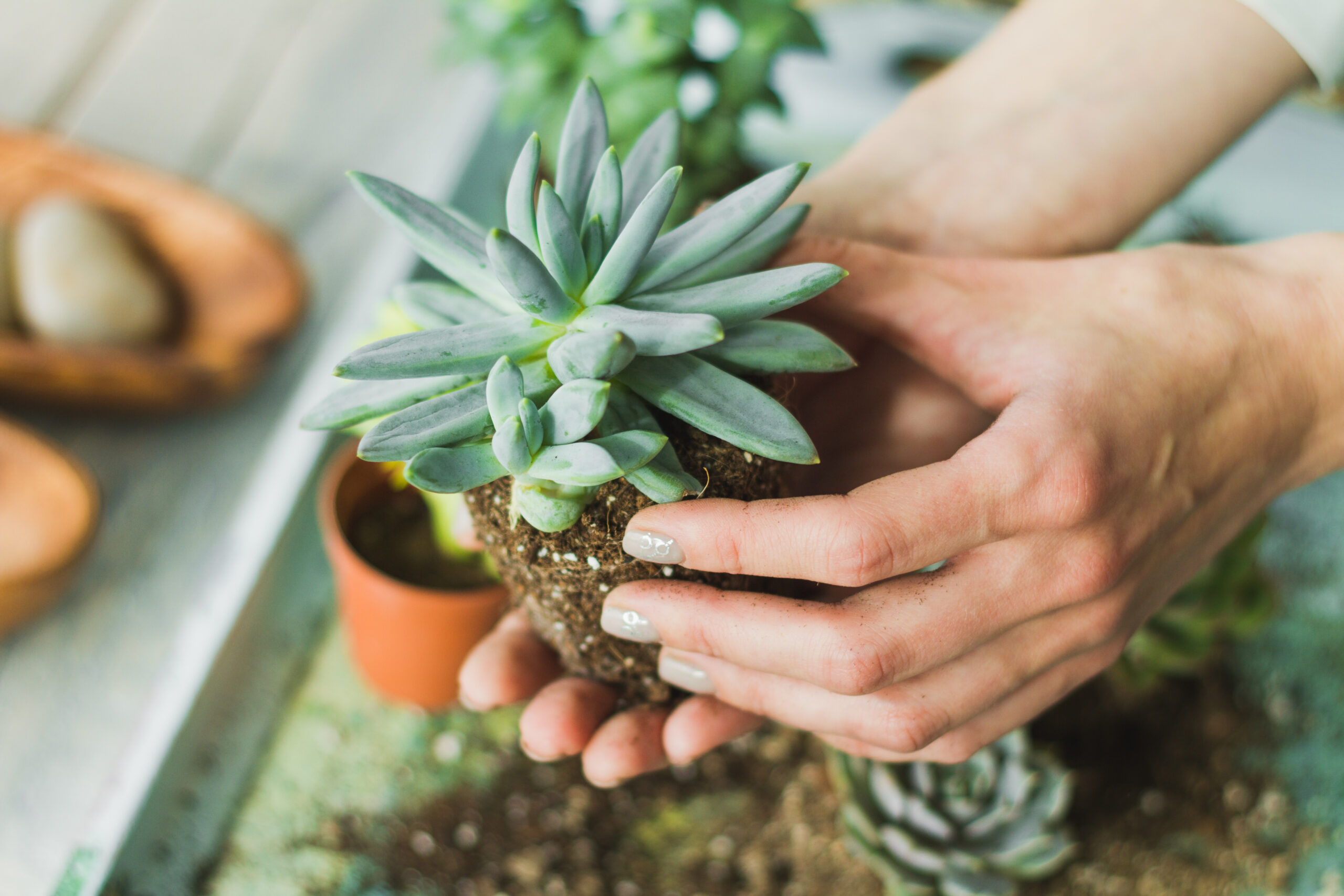
Finally, the last but not least step in cultivating climbing plants at home is propagating and sharing them with others. There are a few methods of propagation, among which are stem cutting, division, and air-layering. The process of stem cutting implies using stem cuttings from the climbing plant to stimulate the growth of roots in the new soil. Division, in turn, involves cutting the root system of the plant and dividing it into separate parts.
With regards to air-layering, people use stem cuttings to encourage further stem growth. In particular, one has to make an incision in the stem of the plant, and fill it with the rooting medium.