
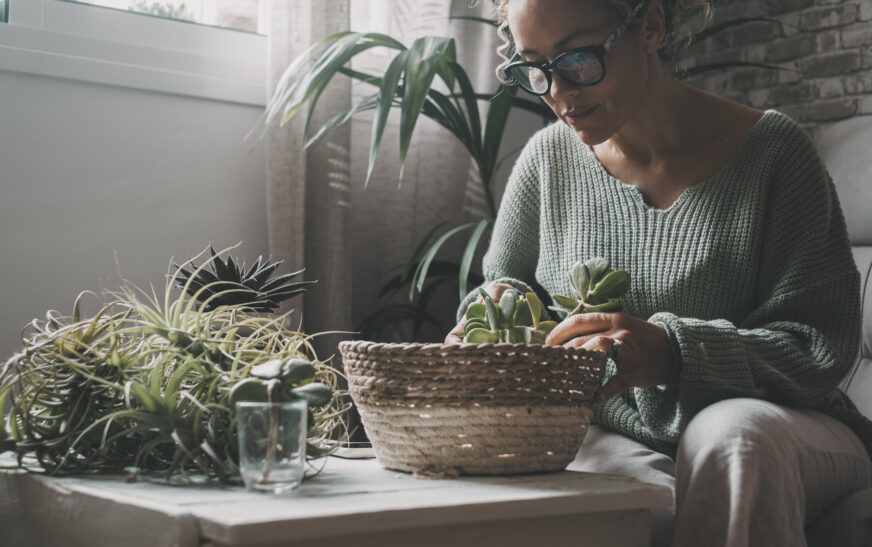
Plants can bring a variety of benefits to your life, ranging from improving the overall look of your home to helping to clean the air. Moreover, plants can positively influence your mood and overall health and wellbeing. Therefore, anyone who has never tried to grow plants indoors is recommended to do so now. However, growing indoor plants might be quite challenging since there are certain aspects that should be considered.
Growing Plants Indoors: Consider Light, Watering, and Temperature
To start growing your favorite plants indoors, it is vital to know about the conditions they require. The majority of plants need enough light to perform photosynthesis; however, direct sunlight can kill them. For this reason, most plants grow well in low-to-medium lighting conditions. Such plants will be perfect for growing in rooms where not much light comes in. If the room is flooded with sunlight, then you may choose a succulent. In this case, you will need to find sunny windowsills for planting these plants.
How to Choose Plants for Growing Indoors
Choosing which plants to grow depends largely on the room lighting conditions. First of all, you will need to choose those that require low-light conditions to ensure they do not suffer and get damaged. Among other important criteria that should be taken into account is the level of maintenance required by the plant. Those who do not have enough time and energy to tend to their plants may consider buying some low-maintenance specimens. Some examples of plants you may want to try are the peace lily, snake plant, and dracaena. The latter are perfect for cleaning indoor air and requiring little maintenance. Besides, there are no special conditions for watering or placing these plants indoors.
Watering Plants
The way you water plants is one of the crucial factors that affect their overall health. One of the most common mistakes that many gardeners make is overwatering. In case plants are overwatered, roots might die due to root rot. For this reason, it is necessary to water them only when the soil feels dry and does not stick to fingers. The best way to prevent your plants from being overwatered is to use a good drainage potting mix. Underwatering, as the name implies, means providing too little water to the plant. Thus, it might become unhealthy and prone to diseases.
Proper Lighting for Indoor Plants
Besides light intensity, it should be noted that some plants require particular conditions. If you want to grow orchid indoors, then you will need to make sure the room gets enough bright, indirect light. If your house gets enough light during the day, then you can combine it with some other light source, such as grow lights. When deciding which light to choose, it is vital to pay attention to color temperature. Cool white light at 5000-6500K is appropriate for those plants that require intense light. Warm white light at 2700-3000K is suitable for those that thrive in low light conditions.
Temperature Requirements for Indoor Plants
The next important aspect to consider when growing plants indoors is the temperature. Generally speaking, most indoor plants require warm daytime temperatures between 65-75°F (18-24°C), as well as cooler nighttime temperatures around 55-65°F (13-18°C). However, there are plants whose temperature preferences are higher. For example, you should take into account that many tropical plants need warm temperatures for growth. There are two possible ways to maintain the temperature. You may use a space heater or air conditioner.
Propagating and Pruning Indoor Plants
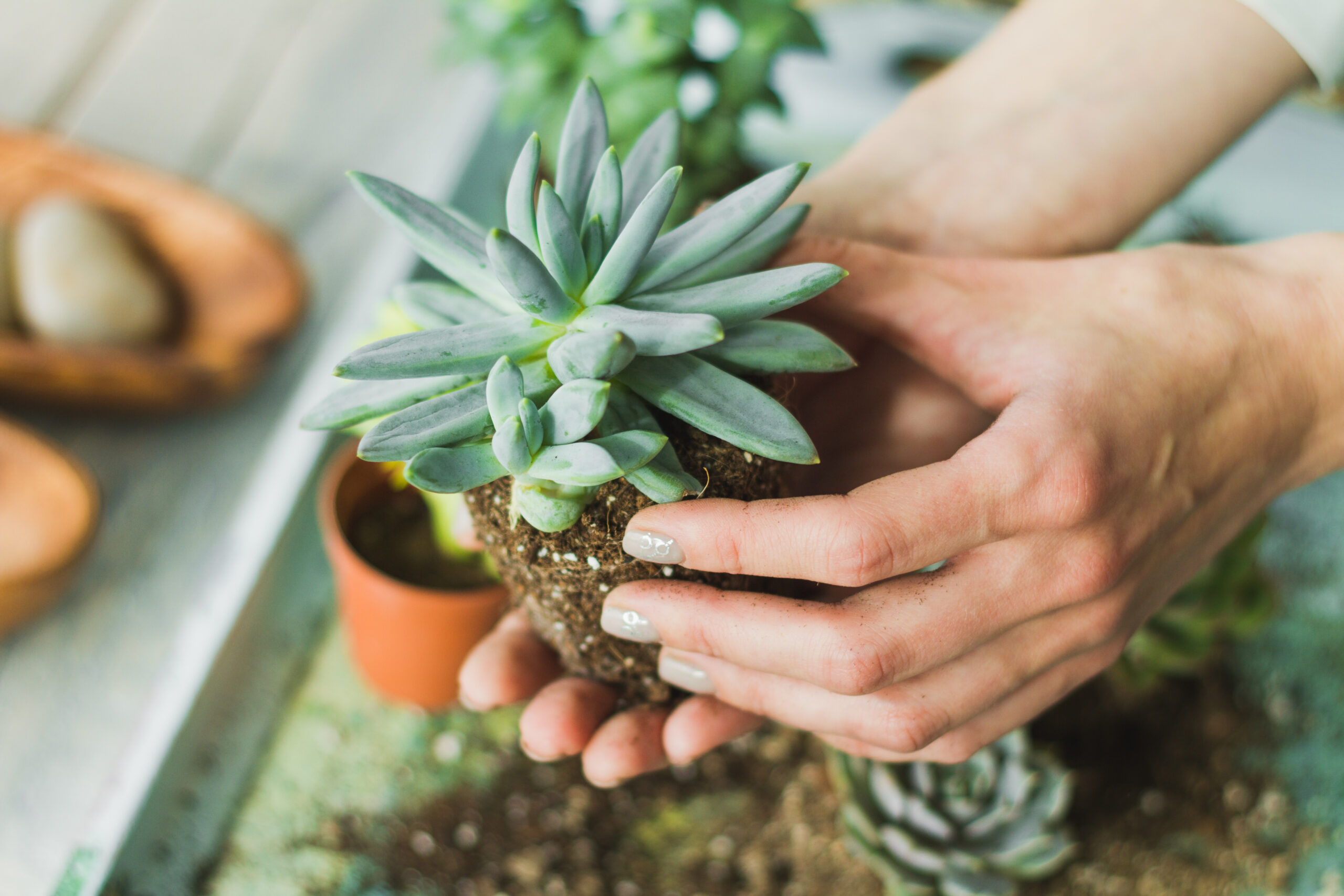
Propagating and pruning are among those procedures that should be performed regularly when growing indoor plants. Air-layering is one of the techniques that may help propagate some plants. As its name suggests, air layering helps to grow new roots on the stems of mother plants. This procedure is rather helpful in creating new plants without causing any harm to the mother one. Pruning plants, in its turn, refers to cutting or trimming branches and stems. The main aim of pruning is to stimulate the development of new shoots.
Pruning Techniques for Indoor Plants
When pruning plants, it is vital to ensure that you use sharp and clean tools. Otherwise, you risk to spread diseases through the wound sites. Cutting branches and stems, make sure that cuts are made near the nodes, that is where the leaf attaches to the stem.
Dealing with Pests and Plant Diseases
As was already mentioned, maintaining plants indoors can involve dealing with pests. For example, mealybugs, spider mites, and scale insects can damage your plants. Thus, it is vital to check your plants regularly for such pests. You should remember that plants might develop some diseases even if you take care of them very carefully. To avoid the development of plant diseases, you should provide proper watering conditions.
Conclusion
Thus, as you can see, indoor plants are easy and interesting to grow. Moreover, plants can bring numerous benefits to both your room and you. It is necessary to note that growing plants requires taking into account some specific factors. These include choosing the right species, using a correct irrigation technique, maintaining proper lighting conditions, etc.