
Ventilation is one of the important aspects of ensuring proper living conditions in residential houses. The process of adequate ventilation in residential premises ensures that there will not be any stuffy air, which would be able to trigger respiratory disorders and other health issues. Nevertheless, despite the obvious importance of ventilation, it is frequently underestimated by homeowners. In this article, some useful ideas concerning improvement of ventilation in a house will be discussed.
The First Step to Better Ventilation
When trying to increase ventilation in a house, it is important to assess what kind of measures are necessary. In order to do that, it is important to take into account the specifics of your house. Such factors as climate, insulation, and windows will be helpful to evaluate your house’s ventilation needs. If you live in a humid climate zone, ventilation will be especially needed due to the risk of building up excess moisture in the house. If the house has old windows and low-quality insulation, additional measures will also be necessary to increase its ventilation capacity.
Some of the elements that should be taken into account during assessment include the following ones:
Climate and weather peculiarities;
Windows’ characteristics;
Insulation;
Number of people living in the house;
Pets and smokers living in the house;
Condition of the ventilation system installed in the house.
Installing Ventilation Fans
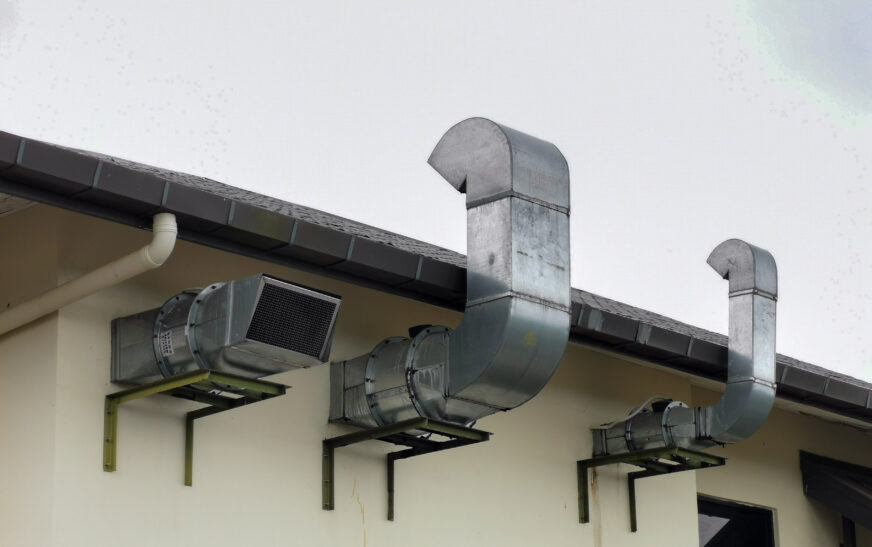
When increasing ventilation in a house, the first thing you should think about is installing ventilation fans. These devices allow exchanging air between your dwelling and the surrounding atmosphere. Thus, there will be less stagnant air inside the building, which means that it will be much healthier for you and your family members. There are many types of ventilation fans that you could use for various purposes.
Here are some of the most popular types of fans:
Exhaust fan. These fans are used to eliminate excess moisture and pollutants in rooms like kitchen and bathroom.
Whole-house fan. This device allows exchanging air between all the rooms in the house.
Attic fan. Attic fans allow removing excess heat in the hot season. Besides, they help to reduce the total energy consumption because the air becomes cooler in the house where the attic has been equipped with a fan.
When choosing a fan for ventilation purposes, pay attention to the following factors:
CFM rating. This rating indicates how effectively a certain fan is able to ventilate a dwelling.
Noise level. This parameter should also be considered to choose the best product.
Energy-efficiency.
Improve Natural Ventilation
If the installation of a special device looks too costly for you, you can use natural ventilation techniques for making a house better ventilated. The following methods can be mentioned.
Opening windows. Opening the windows located on different sides of the building will allow creating a constant air flow, which will help to remove pollutants accumulated inside the dwelling.
Using solar-powered attic vent. These devices are very convenient and costless.
Installing solar tubes. Besides improving the lighting regime inside the house, such devices allow ventilating a dwelling better.
Decrease Pollutants Level
In order to create healthy indoor climate, it is important to decrease the pollutants level inside your house. Apart from using ventilation fans or natural ventilation techniques, it is recommended to decrease pollution by using special filters and regular cleaning procedures. When deciding which devices to buy to remove pollutants from your house, you can choose between HEPA filters and air purifiers.
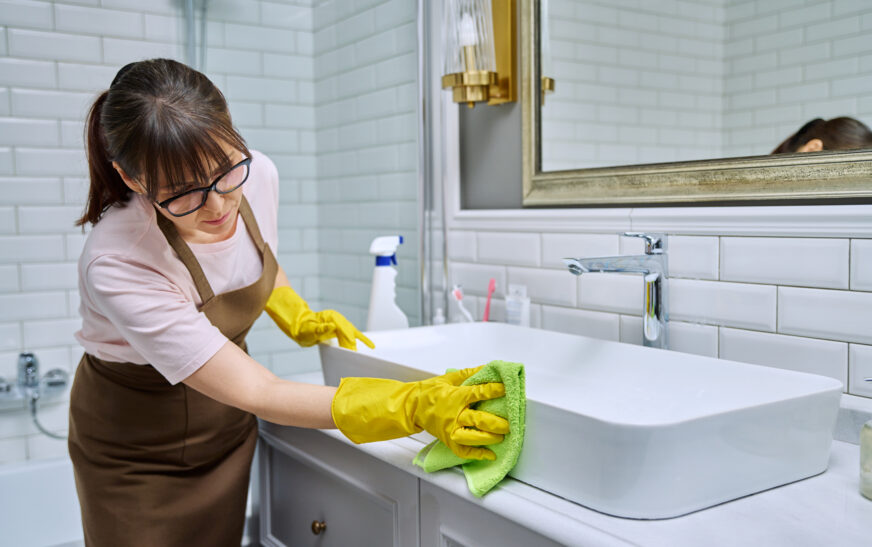
Besides, do not forget about the cleaning routine in your house because pollutants may accumulate on the surfaces.
Improving Insulation
If your insulation is poor, the total energy consumption will become higher, ventilation will not be able to work effectively. Thus, upgrading the insulation in your house may help you to improve its ventilation.
Here are the most popular solutions in this regard:
Add attic insulation. It will be useful for reducing heat losses and decreasing energy consumption.
Improve wall insulation.
Use radiant barrier insulation in your house.
Conclusion
Improvement of ventilation in residential buildings can have positive effects on the comfort level of living spaces. Therefore, it is recommended to take into consideration all the listed measures in this regard.