

There is a wide variety of rooms where people often have difficulties in arranging furniture. The main reasons may be a poor furniture selection, inadequate room dimensions, lack of ideas, and many others. However, regardless of which particular type of a small room you have, there are always specific approaches to arranging furniture and creating an appropriate layout for it. Here, several basic principles and ideas that can be used for furnishing and arranging small rooms are considered.
Furniture Selection for Small Rooms: Maximizing Space with Multi-Functional Pieces
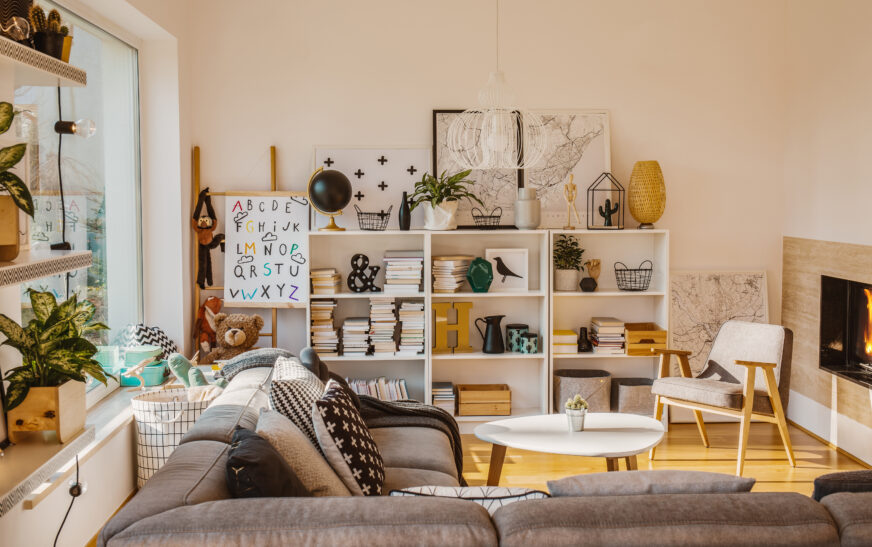
As for selecting furniture, there are many things to pay special attention to when dealing with a limited room area. One of them is to focus on multi-functional furniture pieces that will allow maximizing room space usage. There are plenty of such furniture types to choose from. As an example, one can mention storage ottomans that can serve as coffee tables, as well as desks with built-in storage options. Such furniture options are very convenient because besides looking stylish and elegant, they also save considerable amount of space.
Apart from multi-functional pieces, when choosing furniture items for a small room, one should also rely on such design options as space-saving solutions. It means that it is necessary to select furniture types whose dimensions do not interfere with space availability. For instance, such pieces as wall-mounted desks or fold-down tables may be useful in this regard. Furthermore, when selecting furniture for a small room, one should follow the rule according to which 60 percent of the room should consist of functional items, 30 percent – of decorative pieces, and 10 percent of accents.
Creating a Focal Point with Lighting in Small Rooms
Another effective approach to arranging furniture in a small room is to use proper lighting in order to emphasize room dimensions. In this case, a focal point created by lighting solutions will help shift the viewers’ attention elsewhere and, thus, make the room look bigger. A good example of such furniture pieces may be chandeliers and pendants as they allow creating visual focal points. As a result, they also contribute to creating the illusion of additional height.
Apart from the above aspects, the selection of light bulbs should be based on some factors such as their color temperature and required performance. Thus, one can either use warm white or cool white light bulbs depending on what atmosphere he/she wants to create. Moreover, it is also possible to create a layered lighting effect that will make the room even more impressive. It means that apart from ceiling lights, one can use table lamps and floor lamps in order to create interesting light effects.
Creating the Illusion of Room Bigness Using Mirrors
The use of mirrors is a popular decorating strategy as it is possible to create impressive effects that will help make a room appear bigger in size. To achieve this goal, a mirror can be positioned across from windows or other sources of light in order to increase brightness of the room space. Another advantage is the ability to use mirrors for creating visual focal points in the room. Thus, a mirror may function as an excellent accent that makes an impression.
Furthermore, one should be careful when choosing and positioning mirrors in a small room. On the one hand, it is necessary to consider the size and the shape of a mirror in order to pick an option that would complement the overall room interior. On the other hand, the same 60-30-10 rule can be applied in terms of mirror decoration. It implies balancing room accents by means of mirror decoration.
Creating Flow with Traffic Paths in Small Rooms
Traffic path is another aspect that must be taken into account in order to create an appropriate furniture arrangement for a small room. As far as a room in question has relatively limited area, it is important to ensure that there is no congestion at all and everything flows smoothly. To achieve this goal, one may apply a concept called a traffic lane according to which furniture should be arranged in a certain way in order to facilitate traffic flows in the room.
Thus, it may be useful to rely on L-shaped or U-shaped configurations when arranging furniture in small rooms. Besides, a narrow cabinet or a console table can also be helpful in creating traffic lanes through the room space. Additionally, in case there is kitchen furniture in the room, then it is necessary to take care about its proper positioning. Thus, one can focus on the so-called work triangle where distances to work surfaces, sinks, and storage areas should be equal.
Using Color to Create a Sense of Space
Another useful principle is to rely on color in order to create a feeling of room spaciousness. In this case, it will be necessary to focus on airy colors that will increase the visual volume of room interior. Among possible options, one can name monochromatic or pastel palettes that will help create relaxing atmosphere inside the room interior. However, one should not forget about other aspects related to color usage, for instance, following the 60-30-10 principle.
It means that there should be harmony between warm and cold colors used in the room interior. While the first category of colors can create cozy atmosphere, the second one can create bright ambiance. Apart from that, one can also choose a certain accent or pattern to make a room interior more interesting. Finally, when painting the wall of small rooms, one can think about using glossy finish in order to increase brightness.
Creating Depth by Using Texture and Patterns
Textures and patterns are also useful tools that can be used in small rooms to create a more diverse atmosphere inside them. Specifically, using smooth and rough textures like wood or cloth is useful for creating contrasting combinations. Furthermore, such textures can help to increase diversity of room design and, thereby, add additional dimensions to room spaces. In particular, when decorating the room with certain furniture pieces, one should pay attention to textures and patterns.
Apart from this, when selecting furniture, it is also important to combine natural and artificial textures. They can complement each other very effectively. Furthermore, the application of so-called texture triangle will also make an impression on viewers. According to this principle, there should be a certain harmony between textures of furniture, rug, and wall finishes in order to create an impressive picture.
Using Rugs to Define Space Areas in Small Rooms
Rug is yet another element that may be useful in furnishing and arranging small rooms. In this case, using rugs will allow distinguishing separate areas inside the room space and, thereby, increasing its dimensions. Moreover, choosing a proper rug will help to create a focal point and emphasize the presence of certain elements in the room interior. In this case, one can focus on using bold patterns and peculiar shapes.
While doing so, one should also pay attention to certain peculiarities of rugs selection. In particular, they should correspond to the room dimensions, as well as their sizes and shapes. Also, it will be beneficial to focus on quality features of rug fabrics because the selected rug will likely have to sustain frequent traffic flows. At the same time, the placement of rug should be determined based on so-called rug triangle that emphasizes traffic path through the room.
Making the Room Look Cozier Using Throw and Pillow Decoration
Apart from arranging furniture and rugs in a small room, one can also make it cozier using additional decorating elements such as throw and pillow sets. They also have a wide range of shapes, patterns, and colors that will allow complementing any interior in an optimal way. At the same time, it will be necessary to consider such issues as texture and material when choosing appropriate furniture for small rooms.
For instance, using a mixture of various materials and textures, it will be possible to add additional dimensions to room interior. Moreover, in order to create an interesting atmosphere inside the room, one can select pillows and throws having bold colors or patterns. Thus, it is quite similar to using textiles in the interior because they should correspond to the 60-30-10 principle.
Conclusion
Summing up the above information, one can say that there are a number of effective strategies and principles of furniture arranging in a small room. Among them, it is worth mentioning multi-functional furniture and space-saving furniture pieces that allow maximizing the use of available room space. In addition to this, it is also important to create a focal point, using light, to draw the viewers’ attention away from the room limitations.