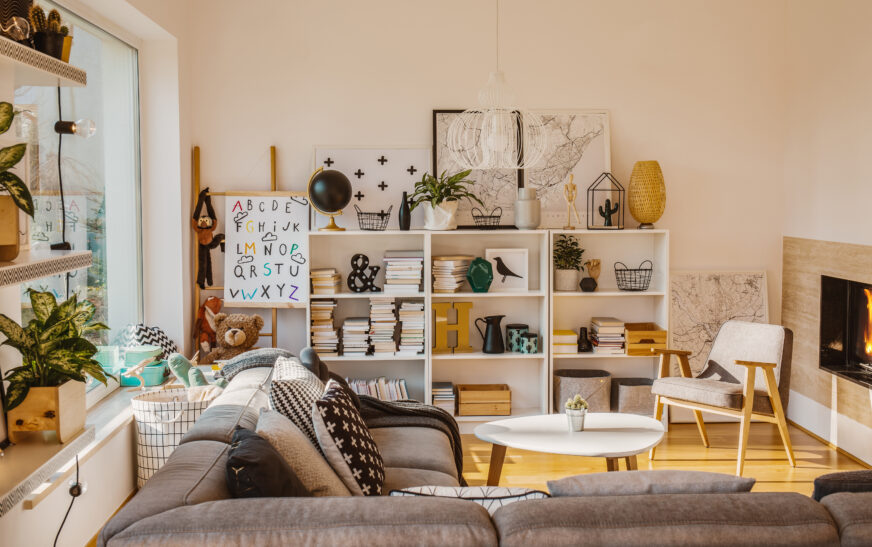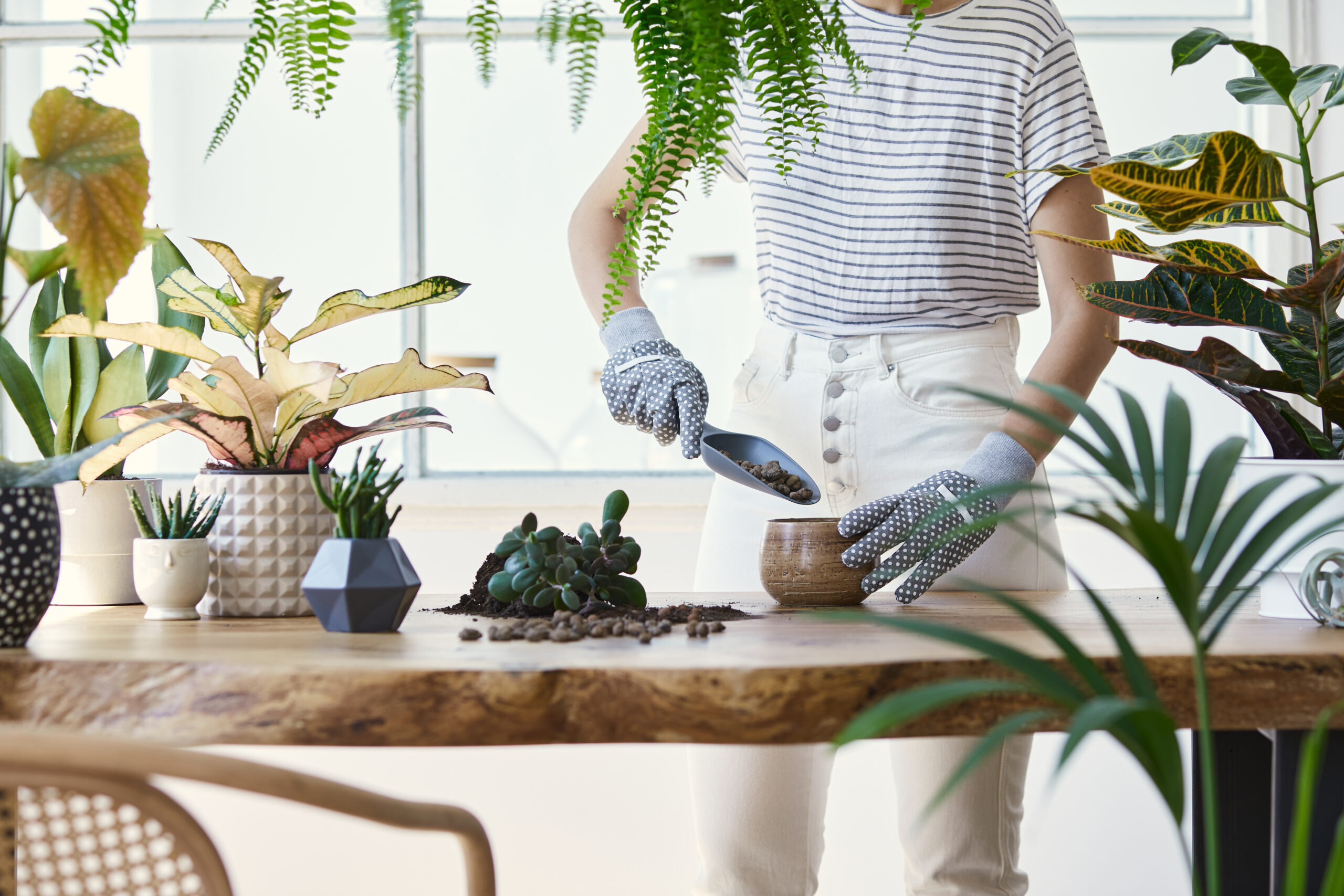

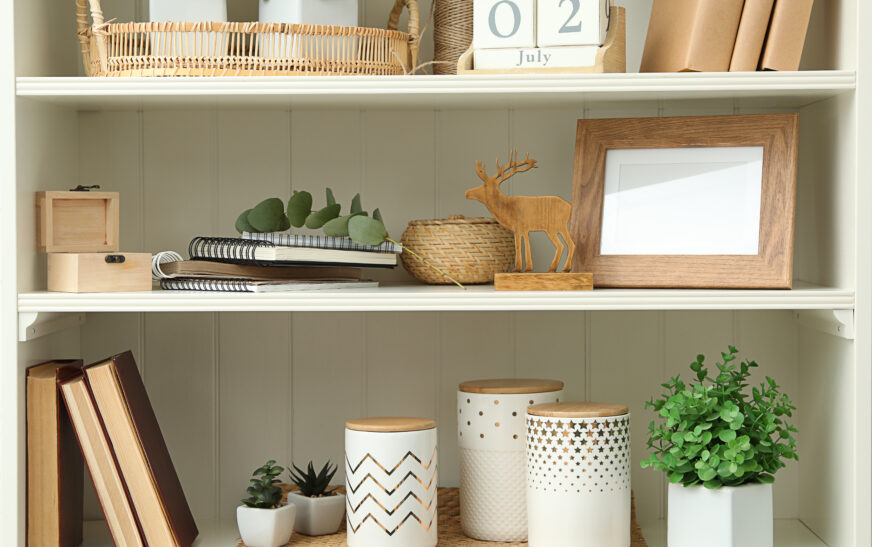
Home decorating and interior design can be overwhelming when trying to come up with a look that suits you. There is an abundance of furniture, decorative items, and other home decors to make your choice from. Yet, what is essential here is not just choosing but knowing how to arrange everything properly. This will help you create a coherent look which you can achieve following the given tips.
Understanding Your Space
The first step in arranging home decor items is analyzing the given space. You need to take into consideration its architectural features and peculiarities. For example, the shape of rooms might vary greatly depending on the house you live in. Besides, there can be some obstacles you should take into account and work with. Also, do not forget about the natural light which affects the mood of the room in question.
When analyzing your space, try paying attention to the following aspects:
– Scale: make sure the size of your furniture and other items matches the room and the other decor you choose.
– Flow: provide enough space for moving around without hitting any obstacles. It also means that your room will have a clear path you will follow when walking through it.
– Focal points: it might be either the view outside or some item of furniture you choose as a focal point.
Creating a Focal Point
The presence of a focal point in your room is important because it allows you to draw people’s attention. It can be anything you like, including an impressive item of furniture, some art, or a plant. In order to create a focal point, think about the following things:
– Color: choose a bold color to make the element stand out.
– Scale: it should match your room and the other decor you have chosen.
– Placement: put the item at the most appropriate place.
For example, if you decide to go with some artwork, hang it above your sofa or on the wall opposite the main door of the room.
Balancing Elements
Balancing is another aspect you should take into account when arranging your decor. It implies the distribution of visual weight throughout the room. Besides, this can include various types of textures. The idea is to use them to add some depth to your room and create harmony. When balancing elements, pay attention to the following aspects:
– Visual weight: make sure all the heavy elements in your room are distributed appropriately.
– Texture: mix the textures of the items you choose to add more interest.
– Color: balance bold colors with neutral ones.
For example, you can balance a large sofa with a lighter rug and several side tables.
Working with Furniture Grouping
Grouping furniture pieces is important for creating a cohesive look in your room. You can divide the furniture into separate groups to make sure all of them fit together. For this purpose, take into consideration the following aspects:
– Functionality: group furniture according to the purpose you have in mind. For example, you can place a dining table together with some chairs.
– Scale: the pieces of furniture must be proportional to each other and the rest of the items.
– Placement: you can position your groups of furniture closer to some windows or corners.
For example, you can divide your living room into several groups. There can be one where you place the sofa and another which includes the armchair and a small coffee table.
Adding Decorative Elements
In order to add some interest to your room, try using different decorative elements like sculptures, paintings, or plants. The selection of these items should be made according to the following criteria:
– Style: you can pick those which reflect your personal style and fit the look of the room.
– Scale: the sizes of the decorative elements should correspond to those of the rest of your decor.
– Placement: you can use your side or console table as a good place for such items.
For example, you can put a vase on one of the tables.
Creating a Cohesive Look
The final step in arranging your decor is creating a cohesive look. It presupposes the connection between different elements of your interior and makes it possible to create some coherence in the appearance of the room. To achieve this effect, follow these steps:
– Color: select a matching color palette that fits all your items.
– Style: you can make a choice in favor of some particular styles.
– Texture: you can play with various textures and combine them.
For example, you can arrange your furniture and decor according to the selected style, be it mid-century modern or bohemian.
Bringing it All Together
Thus, now that you know the basic principles of arranging your decor, it is time to put everything you have learned into practice. For this purpose, you need to remember that:
– You must start with a clear vision of your interior and its desired look.
– You have to analyze your space to understand its peculiarities.
– You should try creating a focal point in your room.
– You can distribute visual weight and textures accordingly.
– You can group your furniture.
– You can use various decorative items.
Conclusion
It is clear that home decorating requires much attention and knowledge of the basics of interior design. Now that you have acquired this knowledge, you can easily arrange your decor in a certain way