

Everyone knows how frustrating it is to work on your projects, play games or just watch videos online when everything goes slower than expected. The question arises about why computers become slow. In fact, there are certain causes of lag, crash or slow speed of operation, and most of them are not very complicated.
Even a high-quality and advanced device can lose its efficiency after long periods of active surfing, running applications or playing videos. The main signs that appear in this case are noise produced by the fans, freezing applications, and extremely slow load speed. Now, let’s review the most common reasons and solutions.
1. RAM Issues
Random Access Memory (or RAM) is your PC’s working memory. It keeps the information that your computer requires accessing. Thus, when the number of opened applications increases, your RAM is filled completely, and the result is a computer slowing down.
Each program takes up the amount of RAM necessary for functioning. In addition, any kind of automatic updating may influence the speed negatively.
How to Fix This Issue
Close unnecessary apps and tabs
Identify heavy processes using Task Manager on Windows or Activity Monitor on Mac OS X
Prevent unnecessary application launching during booting by disabling them
Buy additional memory (8 GB minimum recommended)
2. Hard Drive Space
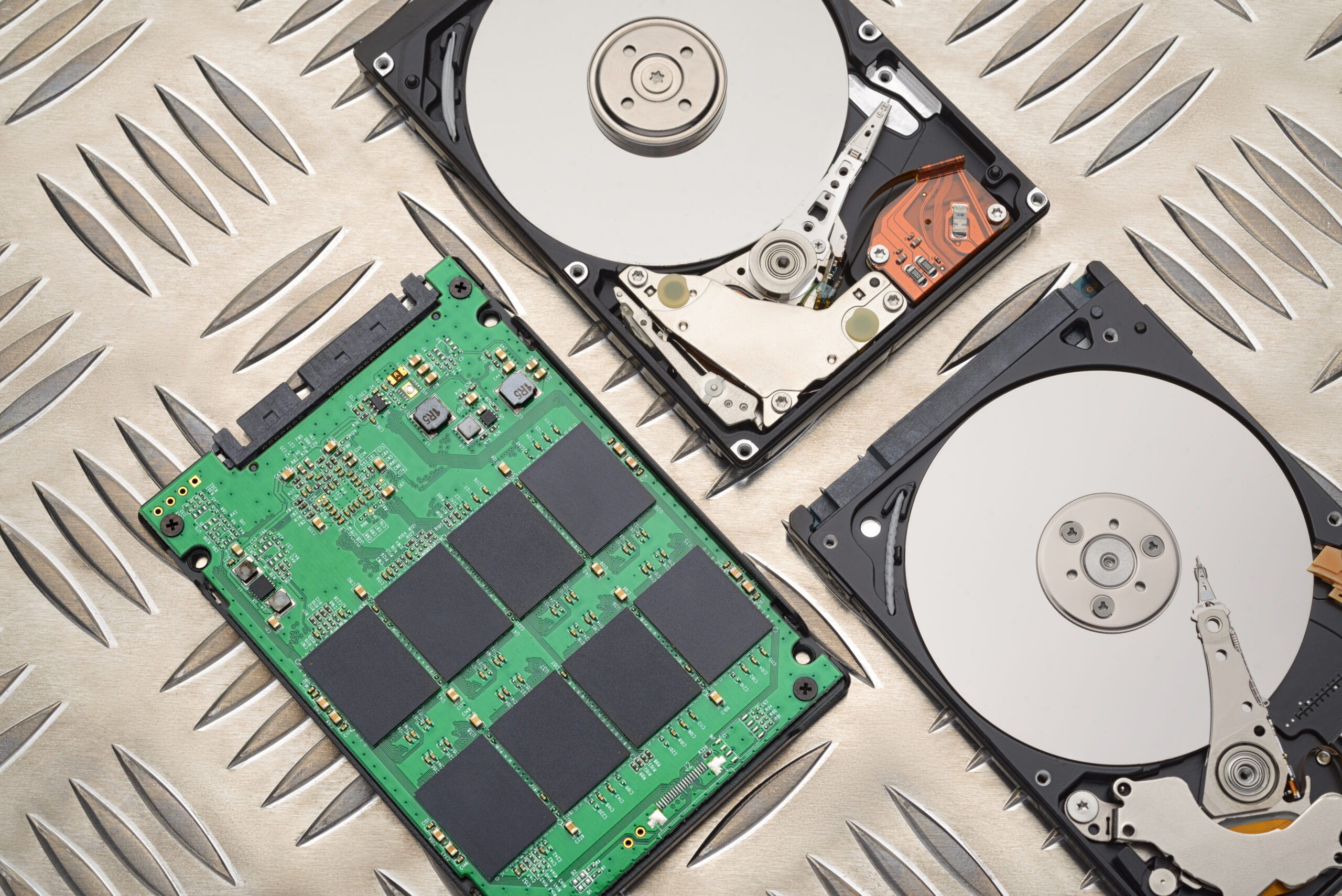
Your hard drive is not only used for saving all files but keeping temporary information needed for effective computer work. When the space runs out, your system becomes slow.
Old hard drives may experience such a problem as fragmentation of file distribution on the disk.
How to Fix This Problem
Delete unnecessary files and temp data
Uninstall all programs that you do not use anymore
Transfer the data stored on your hard drive to the cloud or external disk space
Replace HDD with SSD
Keep at least 20% of the disk space available
3. Outdated Software
It is important to ensure that your operating system as well as other software you use stays updated to improve efficiency and prevent crashes. New updates are usually provided to increase productivity.
When you do not update your programs and OS, it causes inefficiency in their operations.
How to Fix This Problem
Update your operating system regularly
Apply patches and updates
Stay on the latest version of software
4. Computer Viruses and Malware
One more thing that can make your computer run slowly is the presence of certain software called viruses or malware. They may consume memory and other system resources in silence, causing the computer to be unresponsive. Besides, the older antivirus can become the source of computer slowing down.
How to Fix It
Conduct a complete check-up of your system using any antivirus or anti-malware software
Keep the security software updated
Remove suspicious applications
5. Overheating
The last possible reason is overheating. New devices automatically reduce frequency of processor due to temperature rise. As a result, the computer works with a lower speed than before. Besides, dust accumulation in your device can be a reason for overheating and performance issues.
How to Solve This Problem
Clean all fans and ventilation ports from dust
Place a laptop on a hard surface instead of a bed
Guarantee efficient airflow in all directions
Use special cooling pads