
Computer errors might be frustrating and time-consuming to deal with. However, with several easy-to-follow steps, one can identify and resolve computer errors, thus saving time and boosting productivity. The following paper will discuss common errors that occur while using a computer and ways to troubleshoot and resolve them.
Identifying Common Computer Errors
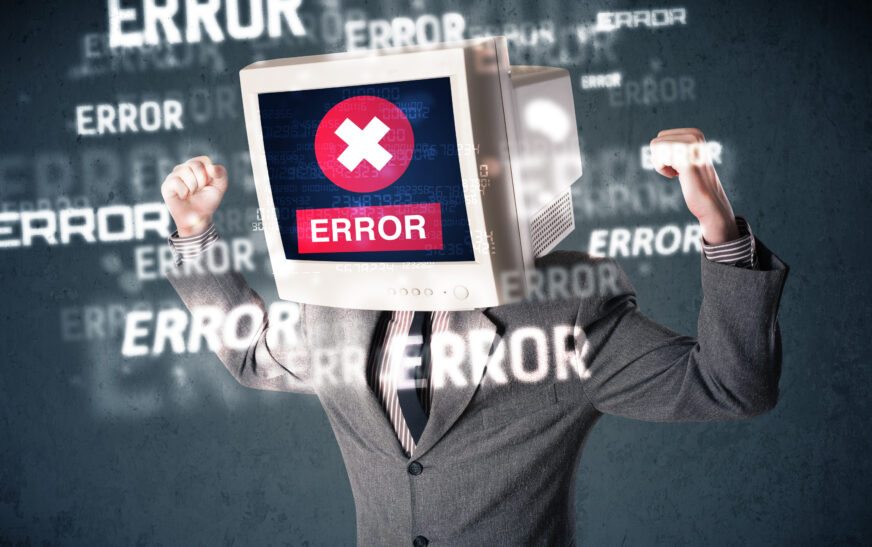
When your computer stops responding, it might become complicated to pinpoint the reason why it does that. Yet, there are common problems that one can pay attention to, such as slow performance, pop-up ads, and unresponsive applications. There are many reasons why those problems might occur, including software conflicts, malware infection, etc. When trying to find out the root cause of the problem, one needs to collect information about the error. It is helpful to pay close attention to the error message. Also, the information about when the error occurred and what actions were performed by a user before it would be useful. When analyzing the error message, pay attention to the keywords which can help you to figure out what is causing the issue. For instance, when the error message states that ‘disk space is low’, this means that one might need to free up space or add additional storage devices. Another common error message is ‘system files are corrupted’. It means that there is something wrong with the operating system or its files.
Troubleshooting Computer Errors
As soon as you have figured out the cause of the error, it is time to start troubleshooting. First of all, try restarting your computer. Often, this action helps to solve the problem. Otherwise, one can try running a virus scan on their computer in order to find malware and eliminate it. You can also roll back to the previous version of the software if the problem is associated with recent software updates. It is crucial to check whether your computer and applications are up to date. Usually, updates contain bug fixes and security improvements. When suspecting that the issue has something to do with hardware, try running a diagnostic test to detect problems.
Fixing Common Computer Errors
As soon as the causes of the problems have been found and troubleshooting has been made, it is high time to proceed to fixing them. One might need to update their operating system, reinstall particular software or replace the faulty hardware components of their computer. When in doubt, one can contact professionals and ask for advice or consult the manufacturer’s support team. In case of slow computer performance, you might need to delete temporary files and uninstall any software applications which are not needed. Moreover, one can try upgrading their RAM or defragmenting a hard drive to increase its performance. In case pop-up ads are displayed, one can install an ad blocker.
Preventing Computer Errors
While fixing common computer errors is important, preventing them is even more useful. One should backup their important data frequently, keep the operating system and other software up to date and use antivirus software to stay away from malware. Be careful with the content you download from the Internet, do not click on suspicious links and attachments in emails.
Another useful action one should perform is creating a restore point in case one needs to restore their computer in the future. Regular cleaning of the computer’s registry will also help prevent errors in the future. Conclusion
In conclusion, fixing common computer errors might be difficult. However, with appropriate actions and knowledge, one can find the cause of the problem and resolve it easily. It is important to back up important data, keep software updated and use antivirus software to prevent computer errors from occurring.~738 words