
Some of the cutest pets in the world are hamsters. As pets, these adorable animals can be wonderful for people. Unfortunately, without knowing the right way to care for them, the rodents might fall sick, get stressed, and even die. Therefore, it is essential to understand the needs of the animal to ensure it leads a happy and healthy life. This paper highlights some aspects of caring for hamsters, which include feeding, housing, hygiene, and health.
Choosing the Right Breed
There are several kinds of hamsters available today. Syrian hamsters, dwarf Campbell’s hamsters, and Roborovskis are the popular breeds among people. When selecting a hamster, it is crucial to ensure that you have chosen a breed that meets your requirements in terms of size, handling, and amount of noise the animal makes. For example, apartment owners prefer purchasing Roborovskis since they make less noise than other breeds. People with children may also choose Syrian hamsters owing to their friendly and docile natures.
It is also imperative to assess the health and socialization level of a chosen hamster. Buyers should avoid purchasing ill animals exhibiting symptoms such as runny eyes, labored breathing, and having an unusual smell. Besides, a hamster should neither be afraid nor aggressive towards people.
Making a Comfortable Home for the Animal
The kind of cage that one creates determines the happiness of the hamsters. It is recommended that people buy cages depending on the activities and behavior of the rodents. According to ASPCA, one should provide enclosures that are appropriate enough to facilitate exercising. For instance, a hamster must have a cage with the following measurements: at least 24 inches in length, 12 inches in width, and 12 inches in height. Moreover, it is better to purchase bigger cages as the hamsters will be able to exercise more.
In addition to buying cages, it is crucial to consider factors such as ventilation, temperature control, and hiding places. Ventilation reduces the risk of respiratory diseases in hamsters. The perfect temperature for the rodents ranges from 20 and 24 degrees centigrade. Moreover, owners should install tunnels and boxes in the cages to give the animals hiding spots.
Besides installing accessories, owners must acquire toys for hamsters. Chewing objects are popular items in hamsters’ cages. Other entertainment tools for the hamsters include exercise wheels and balls. It is recommended that owners keep changing toys to avoid boredom in hamsters.
Feeding the Hamsters Properly
Good nourishment plays an integral role in determining the wellness and growth of hamsters. Being omnivorous animals, they require protein, fats, carbohydrates, and fiber. Therefore, one should provide hamsters with commercial foods. Apart from the core food, owners must supplement the diet with fresh fruits, veggies, and meats. Some nutritious foods that owners should consider for hamsters are leafy greens, sweet potatoes, fruits, carrots, and poultry.
Furthermore, one must avoid feeding hamsters foods high in sugars, fats, and sodium as they might lead to obesity and other illnesses. Introducing new foods to hamsters should be done gradually to avoid stomach problems.
Tips for Hygiene and Safety
Cleaning is essential for the maintenance of the wellbeing of hamsters. It is imperative that owners clean the animals by removing old bedding, food bowls, and other dirty stuff. In doing so, owners should utilize pet-safe disinfectants to wipe all parts of the cage. In case of cleaning, it is necessary to add new odorless bedding for the animals. In addition, owners should observe the rodents to notice changes in their health and behaviors.
Advice on Maintaining Health of Hamsters
Routine health evaluation is necessary to detect illnesses in hamsters. It is recommended that owners pay close attention to any signs of sickness or stress. Labored breathing, eye infections, and unusual behavior are symptoms of an illness in hamsters. Qualified veterinarians should treat the animals. Moreover, to protect hamsters from contracting diseases, people should conduct preventative procedures, including vaccination and regular visits to the clinic.
Guidelines for Handling and Socializing Hamsters
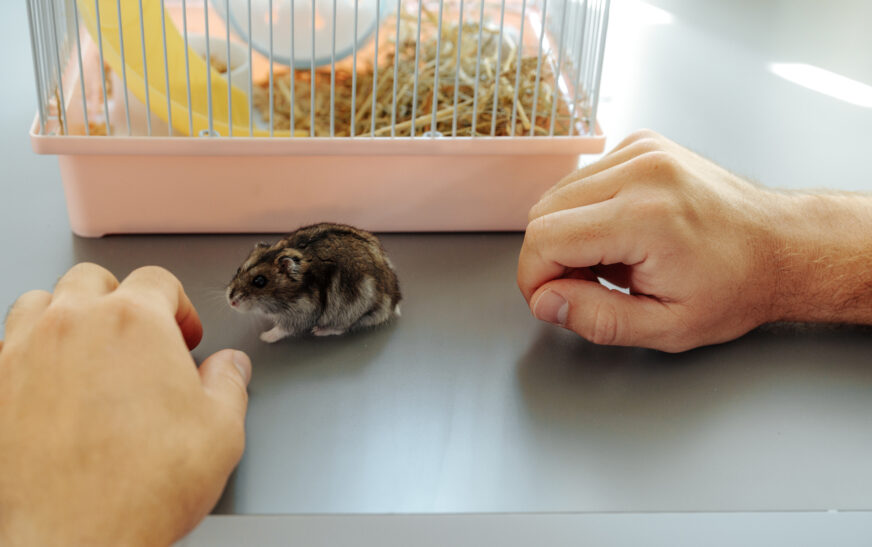
It is recommended that owners handle the animals often to make them accustomed to the presence of the latter. Nonetheless, owners must handle the hamsters in the correct way so as to avoid causing stress and hurting the rodents. In the first place, owners should go near the hamsters to make the latter accustomed to them. Once they are familiarized, people should hold them gently without putting a lot of pressure. Furthermore, it is important to avoid picking the rodents by the tail or back legs.
Socialization of hamsters makes them comfortable with their surroundings. While engaging the animals socially, one should observe the wellbeing of the rodents.
Conclusion
Hamsters make good and lovely pets. If one wishes to have hamsters as pets, he/she should know how to take care of them. This paper highlights several vital practices with regards to these animals. One will be able to ensure that hamsters have a happy and healthy life by providing them with nutritious food, proper housing, hygiene, and health care.