

Nowadays, the issue of globalizations becomes rather relevant and essential. Consequently, people are required to learn how to appreciate cultural differences without judgment. However, it seems to be difficult to implement. The thing is that the majority of people allow their prejudice to impact their communication with other people from different countries. Nevertheless, after you learn how to appreciate cultural differences of other people objectively, you will become able to see the real value of this skill.
How to Appreciate Cultural Differences
First of all, to appreciate cultural differences without judgment, you should conduct research on specific culture to identify values and customs of other people. You may not be ready to communicate with people coming from different cultures since their customs and traditions may confuse you. However, if you know their culture, you will avoid any misunderstandings in the future. For instance, some people may consider eye contact to be offensive, whereas others may perceive it as the best way to show respect.
Thus, you should spend some time conducting research on the culture of your colleagues. With the development of technology, it becomes possible easily to find information concerning other peoples’ cultures. Besides, there are a lot of online resources where you will be able to learn everything about specific culture in a few minutes.
Practice Empathy and Active Listening
Another good approach to appreciating cultural differences objectively consists of practicing active listening skills and empathy. While interacting with people coming from different cultures, you should make sure that they feel comfortable talking to you. Moreover, you should listen to their point of view since sometimes it may be completely different from yours. Besides, empathy helps to develop strong connections between you and other people.
Moreover, you need to choose an appropriate mode of interaction depending on whether the individual comes from a collectivist or individualist society. If a person belongs to a collectivist culture, you should show your willingness to collaborate with them and help their collective to achieve success. In contrast, if you interact with a person from an individualist culture, you will be able to demonstrate your personal achievements.
Challenge Your Biases
If you would like to learn how to appreciate cultural differences objectively, you should start with challenging your biases and prejudiced thoughts about other people’s backgrounds. You will surely have some stereotypes about certain cultures, but you need to change your views to build strong connections. To challenge your biases, you should imagine how people coming from other cultures perceive situations and you.
Additionally, you should ask yourself what kind of stereotypes people have about other cultures. After that, you will be able to understand how your biases influence people’s opinion about their cultures.
Celebrate Cultural Diversity
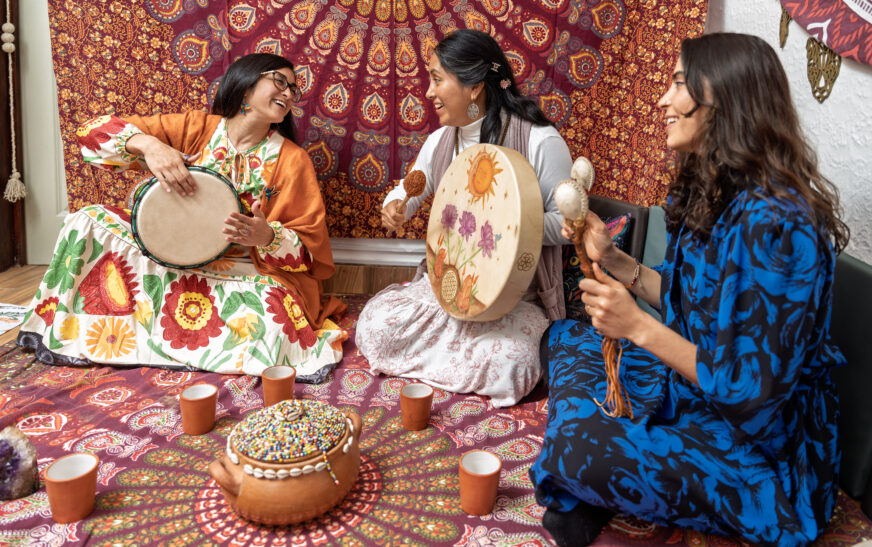
Last but not least way to appreciate cultural differences objectively lies in celebration of cultural diversity. In order to learn more about other peoples’ cultures, you may visit festivals, museums, learn new languages, and other interesting activities. This approach will make you aware of other people’s culture.
For example, you can participate in the festival of your local minority population. In doing so, you will get acquainted with other people and their culture, customs, and traditions.
Create a Culture of Inclusion
To learn how to appreciate other people’s cultures objectively, you should create a culture of inclusivity within your community. In doing so, you should educate yourself about other peoples’ traditions and refrain from any prejudice or stereotyping. Building an inclusive community takes some time and effort, but the result will surely pay off.
For instance, as a manager of an organization, you may create some programs related to diversity and inclusion training to promote respect in your company.
Conclusion
It goes without saying that the ability to appreciate cultural differences without judgment takes some time and effort. However, the advantages of such skills are enormous. First of all, you will be able to interact with other people positively no matter what culture they belong to. Second, you will become tolerant and empathic towards other people.
Thus, if you are interested in cultivating this skill, you should start with conducting research, practicing empathy and active listening, and celebrating cultural diversity.