
Since ancient times, there were cultural clothing styles that helped express the identity of a certain group of people. There are lots of examples of traditional attire that reflect the heritage of certain societies and the cultural peculiarities of different peoples. Such outfits are not only used for protection against environmental hazards but also represent cultural values that were accumulated by previous generations. Exploring cultural clothing styles allows broadening perspectives and gaining empathy towards different societies and nations.
The Meaning of Cultural Clothing Styles
Traditionally, the significance of cultural clothing styles goes beyond the mere decoration of a person’s figure because there are lots of hidden meanings associated with these garments. Some of them reflect social or economic status; others symbolize particular professions or family background. For example, traditional Japanese kimono clothes represent the family background, social status, occupation, etc.
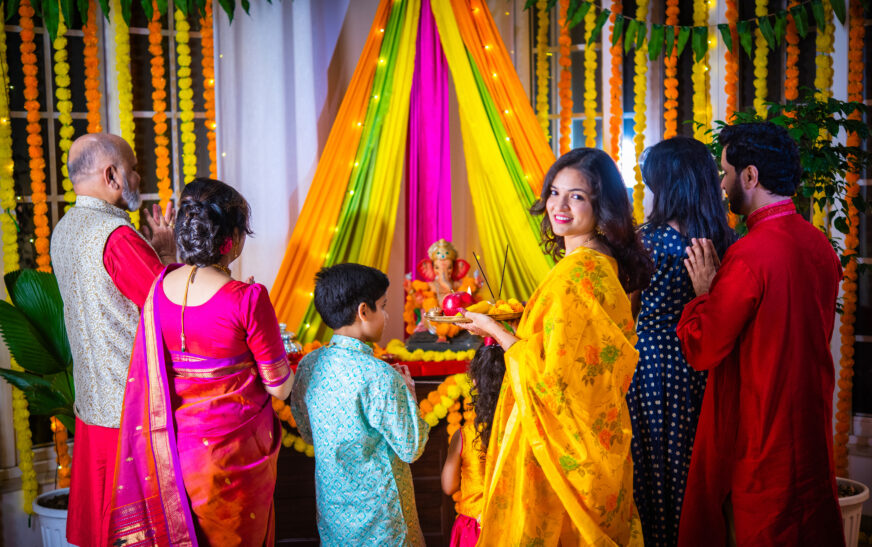
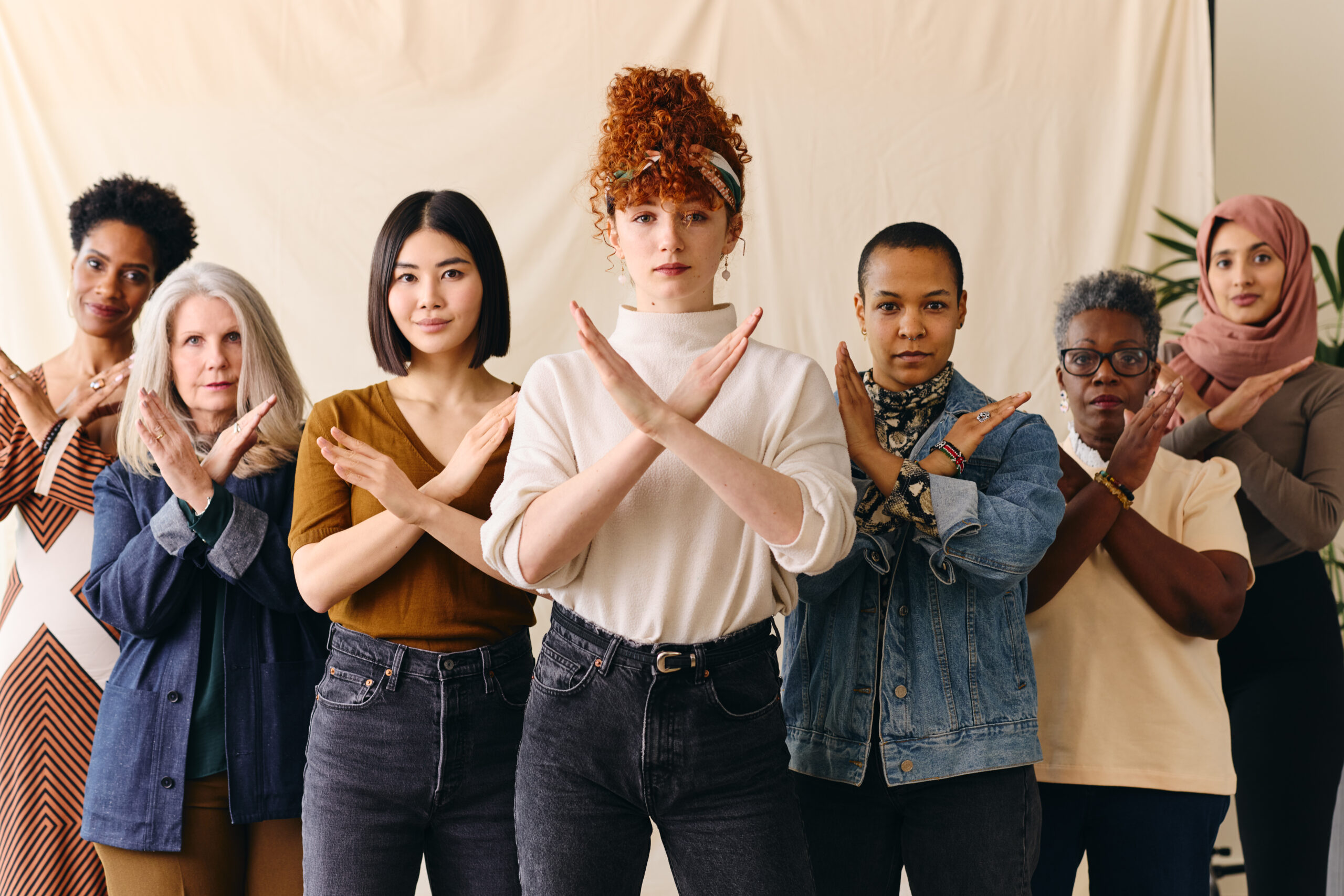
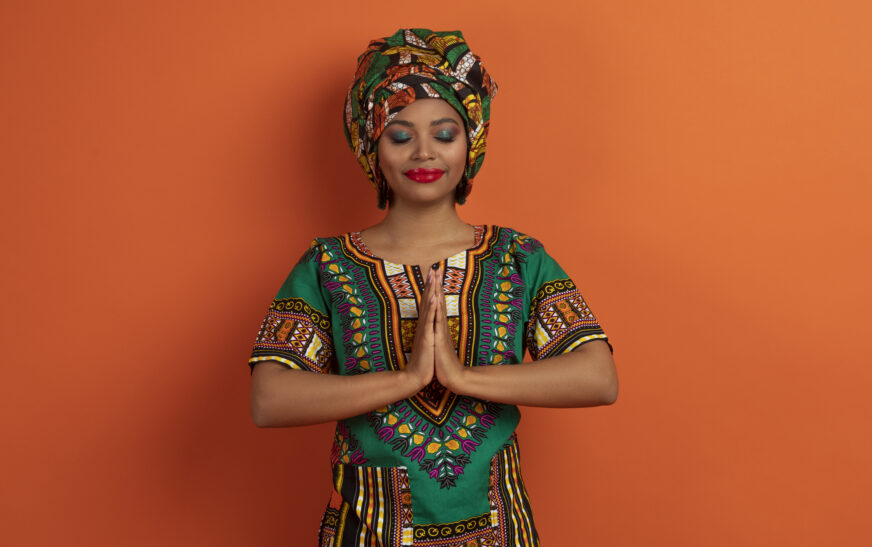
Another example of a unique cultural dress code is the clothes of African tribes. Usually, the traditional outfit is very bright and colorful and reflects the history of ancestors. The same concerns the hijab – the attire that represents the modesty of Muslim women and their adherence to specific religious beliefs. The sari – the traditional attire of Indian women – reflects their unique style and culture. Therefore, there are lots of unique cultural clothing styles that should be studied carefully.
Importance of Cultural Context for Understanding Cultural Clothing Styles
Cultural context helps understand and analyze cultural clothing styles because the meaning of each garment depends on it to a great extent. Sometimes, what seems to be immodest in one culture might become perfectly acceptable in another society. In addition, some garments might seem outdated for those people who belong to other nations.
To get familiar with cultural clothing styles, one should learn everything about the cultural background of the nation or society in question. Otherwise, the garments worn in some country may look ridiculous to another nation. Thus, it’s better to get prepared in advance.
The Influence of Globalization on Traditional Garments
Globalization had a great influence on all spheres of life and cultural clothing styles are not an exception. Nowadays, many young people tend to use traditional garments as a part of fashionable outfits. As a result, there is a risk of homogenizing traditional clothes because of the lack of knowledge and inappropriate interpretation of some aspects.
Sometimes, garments of certain nations are used improperly and this causes some problems related to cultural appropriateness. In many cases, the representatives of one culture misinterpret the meaning of some garments and use them inappropriately. Unfortunately, it leads to cultural disrespect and misunderstanding.
Learning About Cultural Clothes
It’s important to understand that learning about cultural clothing styles is not easy and involves many efforts. In order to make sure that you don’t do any harm to other cultures, try to get familiar with their cultural background and study traditional costumes before using them for your needs. In addition, you should respect traditional clothing styles and be ready to show sympathy towards representatives of other cultures. When you visit an event dedicated to some culture, try to dress properly and demonstrate due respect towards their traditions.
Preserving Cultural Garments
The future of traditional garments looks rather gloomy at the moment because of the influence of fast fashion and the development of social media. On the one hand, many manufacturers start using elements of traditional garments for designing new products. On the other hand, there are many attempts to popularize traditional garments.
However, nowadays there are also many events aimed at preserving traditional attire. Many organizations and companies are promoting unique cultural clothing styles and helping people learn more about them.
Examples of Different Cultural Outfits
There are many types of traditional clothing styles that differ depending on the region, culture, religion, or national identity of their creators. For example, the traditional African dress is called dashiki and has a specific appearance. It’s also worth paying attention to kimono – the traditional outfit of Japanese people.
Cultural clothing styles are the embodiment of our identity and heritage.
Conclusion
Traditional and cultural clothing styles play a very important role because they reflect historical and cultural features of a certain nation. Studying these garments will help us better understand other cultures and nations. Due to the process of globalization, it’s essential to protect cultural clothes from destruction and loss. We hope that this article helped you gain new insights into cultural clothing styles of different peoples and nations.