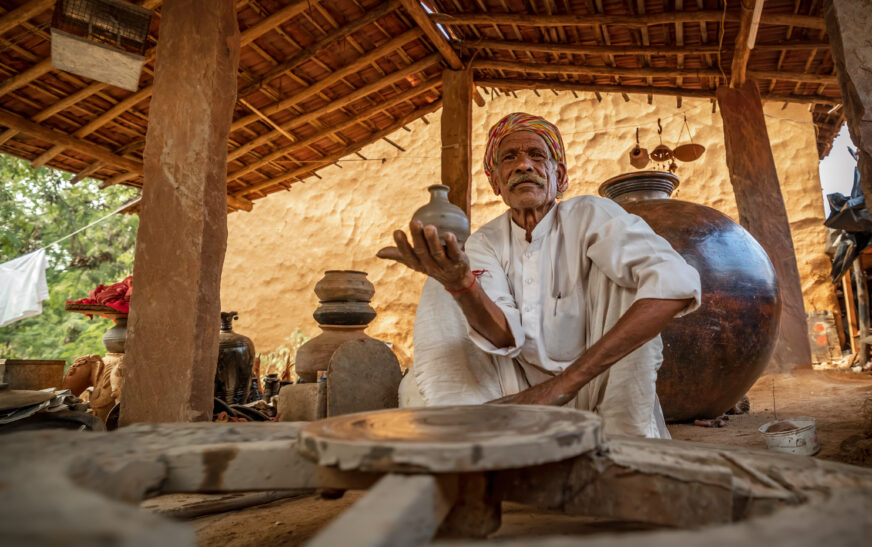

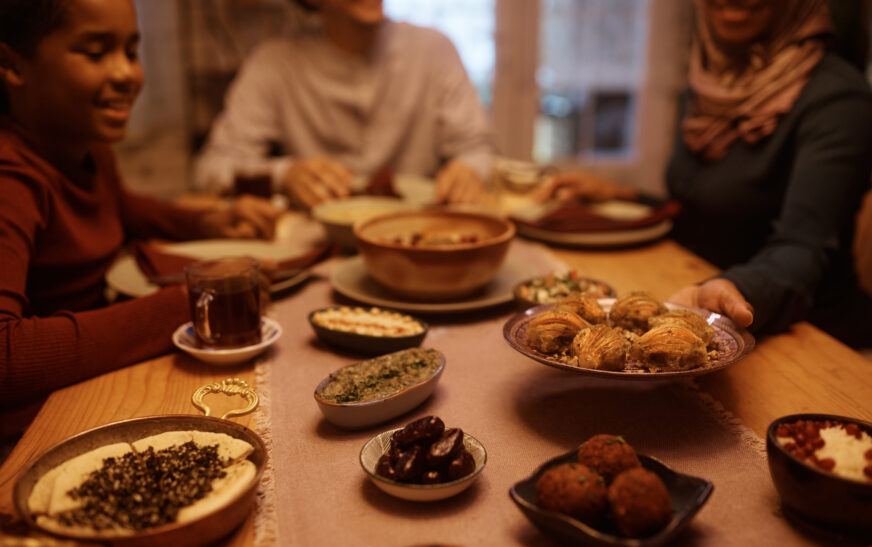
People have always eaten food to satisfy their hunger and nourish their bodies. However, today food is used to unite individuals of different races and nations, as well as bring people closer and immerse them in the customs and history of a particular era. Every culture has its unique cuisine that is characterized by distinct flavors and aromas. Therefore, the purpose of this paper is to examine and describe several cultural cuisines and dishes, analyze their origin, ingredients, and cooking process, and discuss their importance for the corresponding societies and cultures.
Exploring the World of Cultural Cuisine
Cultural cuisine is a set of traditional dishes that are characteristic of a specific society or nation and are widely consumed in the area inhabited by such groups. These foods usually reflect the culture and history of the corresponding community, as well as its values, beliefs, and preferences. For instance, Japanese sushi is one of the most popular dishes in Japan that represents the country’s culture and identity. Today sushi is served as a dish that comprises fish or another product cut into thin slices and rolled in rice. The popularity of this dish has grown rapidly since its emergence. Sushi is consumed in a variety of types, including California roll, Philadelphia roll, or foie gras sushi. Thus, this traditional dish allows one to trace the history of Japan’s culture and cuisine.
The Power of Food to Unite Communities
It is evident that food has a powerful effect on people’s lives, bringing together members of different cultures and countries. In addition, eating is considered a social activity that contributes to community development and integration of different ethnic groups. Therefore, a wide range of dishes is used in numerous ceremonies and festivals celebrated across the world, as they allow people to share their traditions and culture with each other. It is essential to admit that food is a fundamental element of various social and religious activities conducted among African tribes. Communal meals are organized in order to strengthen ties within a tribe and establish strong connections between individuals. In addition, some traditional dishes are used during ceremonies in which certain religious rituals are performed.
The Art of Cooking Traditional Dishes
As mentioned above, each culture and society have developed unique traditional dishes that require specific cooking processes and methods. As a result, a considerable amount of effort, skills, and knowledge is required to prepare these foods. For example, the preparation of Indian curry is a rather complicated process that requires a perfect understanding of spices and herbs and their interaction. Besides, a cook needs to master cooking skills to properly combine ingredients and prepare a dish that tastes great. The Indian cuisine is characterized by numerous variations of curry that can be used as a seasoning, side dish, or main dish.
The Role of Food in Cultural Heritage
Traditionally, food played a crucial role in the lives of indigenous peoples inhabiting islands and archipelagos located far from the mainland. Therefore, these foods have a great significance for cultural heritage and represent traditions and customs of indigenous societies that emerged long ago. For instance, poke is one of the most popular foods in Polynesia that has gained immense popularity in Hawaii and other Pacific Islands. In fact, this dish was prepared by inhabitants of these islands for hundreds of years and has become an important part of local culture and traditions. Poke is a dish made of raw fish that is seasoned with soy sauce and other ingredients. This food is considered a traditional Polynesian dish and a symbol of local culture.
The Impact of Globalization on Cultural Cuisine
Due to globalization and technological progress, traditional cuisines of various countries started to interact with each other, giving birth to numerous new dishes. Moreover, globalization contributed to the spread of traditional foods and beverages to other parts of the world. For example, nowadays kimchi is used not only in Korea but in other parts of the world as well. Kimchi is a dish that includes fermented vegetables and has spicy and sour taste due to the presence of red pepper. The dish became extremely popular throughout the world, and today one can purchase various varieties of this traditional Korean food.
Conclusion
As shown above, food is a unique phenomenon that unites people and brings them closer by allowing them to exchange their culture, traditions, and history. Every culture has its unique cuisine that is an inherent attribute of a particular society. In addition, food plays a key role in numerous ceremonies and celebrations that are held in order to unite people and share culture and traditions. Therefore, the paper analyzed several cultural cuisines, describing traditional dishes, their origin, and ingredients.