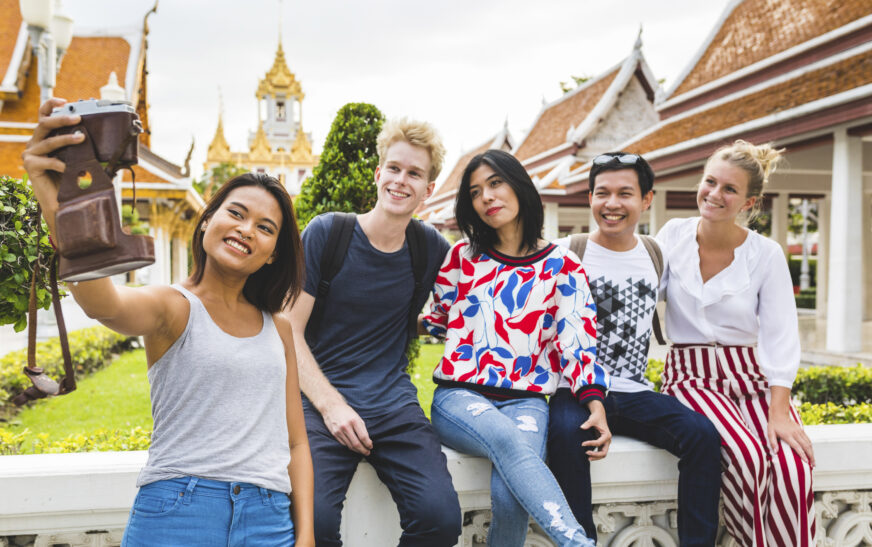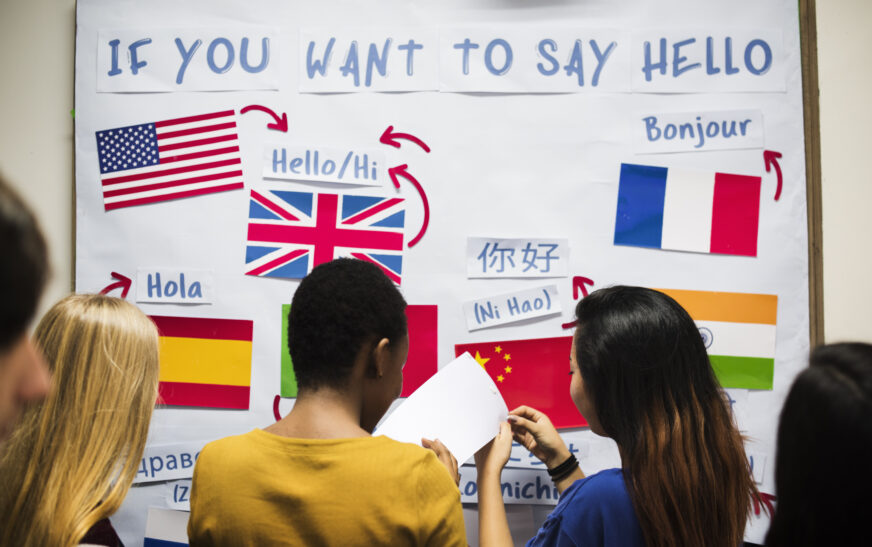

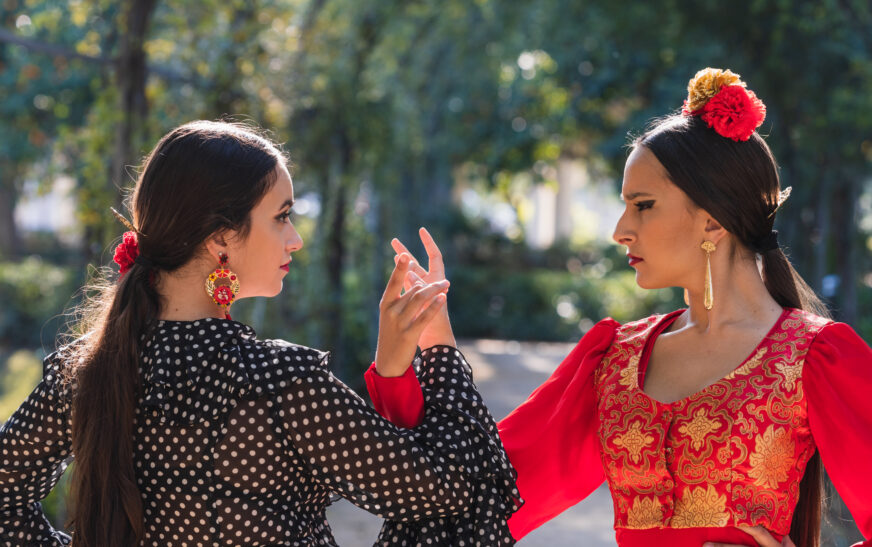
When traveling to other countries or communicating with foreigners, gestures are often used to communicate your intent and show your respect for their culture. Indeed, cultural greetings and gestures are not only a polite way of greeting; they are a tool to build mutual understanding between people.
Today, when we all live in the global world, knowledge of cultural greetings and gestures is essential for everyone who plans to communicate with other cultures. No matter whether it is you who plans to visit a foreign country to continue studies there or conduct business, or whether it is just your interest in various countries, learning these skills will be helpful for you.
The Significance of Cultural Greetings
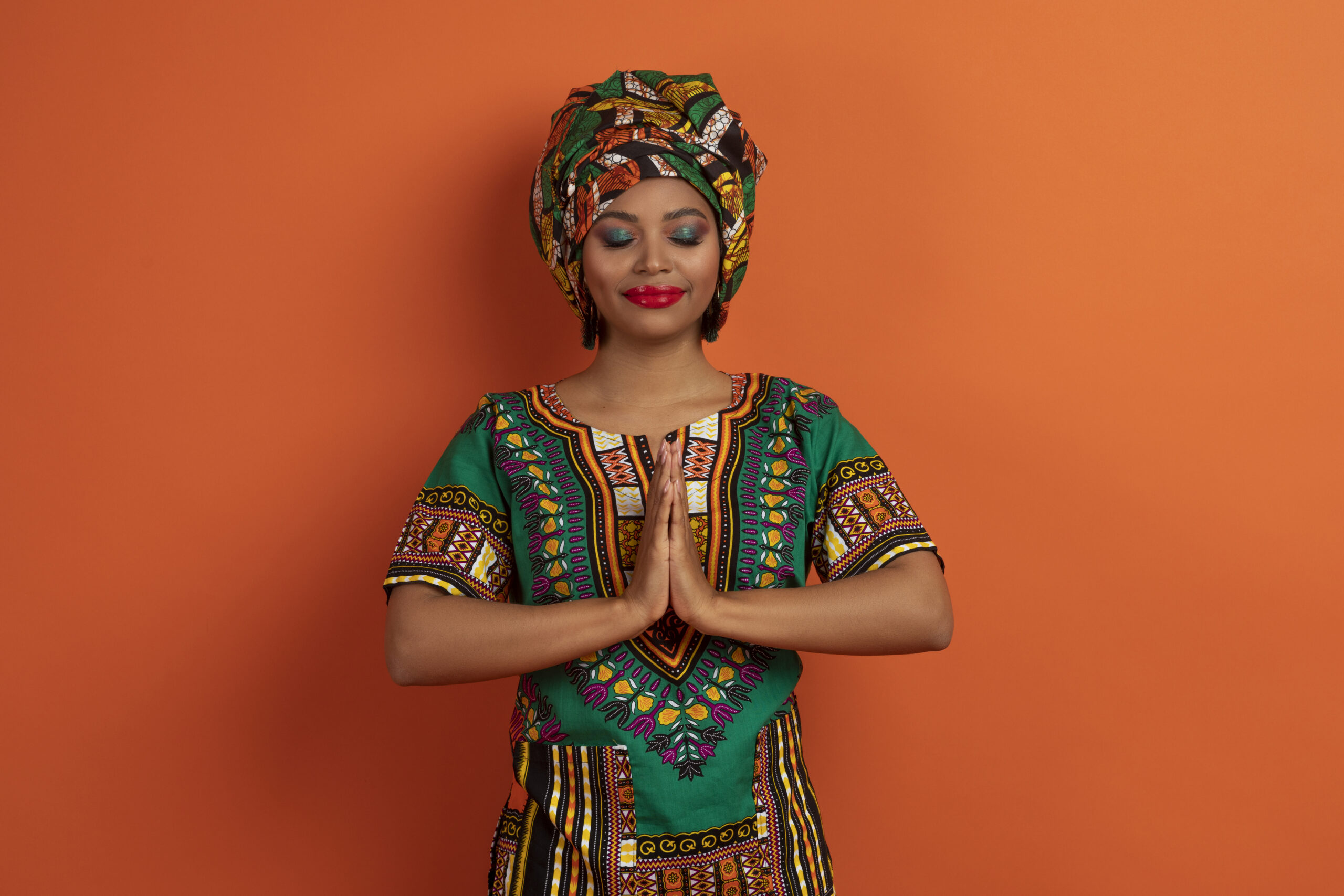
Greeting people is an integral part of any culture. It usually demonstrates the respect, hospitality and politeness of its members. Besides, in many countries, greeting is a kind of a ritual through which people establish connections with each other. For example, the Japanese tradition is to bow during greeting, while in India the most common gesture to greet is to clasp the hands like in prayers – a namaste gesture.
Moreover, in many cultures, greeting is a way to demonstrate respect for older people or those who have power. For example, in some African countries, greeting includes touching an elder person’s head or shoulder, while in Korea people use both hands when taking or giving something to someone. Therefore, learning various cultural greetings is a good idea because this will show that you respect people you communicate with and their customs and traditions.
Learning Various Cultural Greetings
There are many ways to become familiar with various cultural greetings. First of all, you may travel and experience the culture firsthand. However, it is not always possible to travel all over the world. Thus, you may find documentaries and watch them to know about different cultures. Besides, there are many online courses on the topic, where you will learn not only greetings, but also other important details that help to get closer to the culture.
Here are a few examples of cultural greetings from different countries of the world:
* The traditional Chinese greeting includes bowing and shaking hands;
* The most common Indian greeting is a namaste – people usually clasp their hands;
* When entering or leaving a house in Thailand, you have to put your hands together as in prayers;
* The Brazilian traditional way to greet is called beijo, which means a kiss on cheeks;
* If you want to meet someone in Morocco, say As-salamu alaykum – "peace be upon you".
Learning Cultural Gestures
In order to become acquainted with various cultures, it is important to learn not only greeting rituals, but also cultural gestures that will help you behave appropriately in any situation. Body language is one of the most important aspects of nonverbal communication, and it can cause trouble sometimes if you are not aware of gestures in another country. Here are a few examples of various gestures used in different countries:
* In Japan, when giving or receiving something, it is polite to use both hands;
* In Korea, it is considered polite to use both hands while eating food;
* In India, while eating food and giving something to someone, it is polite to use right hand;
* While shaking hands with someone in Morocco, it is important to use right hand;
* In Brazil, while giving or eating food, it is better to use left hand;
* When shaking hands with someone in Greece, it is better to use left hand.
Tips for Practicing Cultural Greetings and Gestures
To learn new skills, you need to practice as much as you can. Here are a few tips that will help you learn cultural greetings and gestures easily and quickly:
* Start with greetings and gestures from several countries. Practice them at home;
* Find and watch documentaries about various cultures and learn their traditions and customs;
* Take an online course in this area and practice with a tutor;
* Travel abroad to see cultural traditions yourself and practice greetings with real people.
Conclusion
Cultural greetings and gestures help to become friends and establish contacts with people who belong to other nations. Therefore, no matter why you need to learn these skills, you will surely find them useful in future.
If you want to make friends or establish business relations, start learning about cultures and practice greetings and gestures.