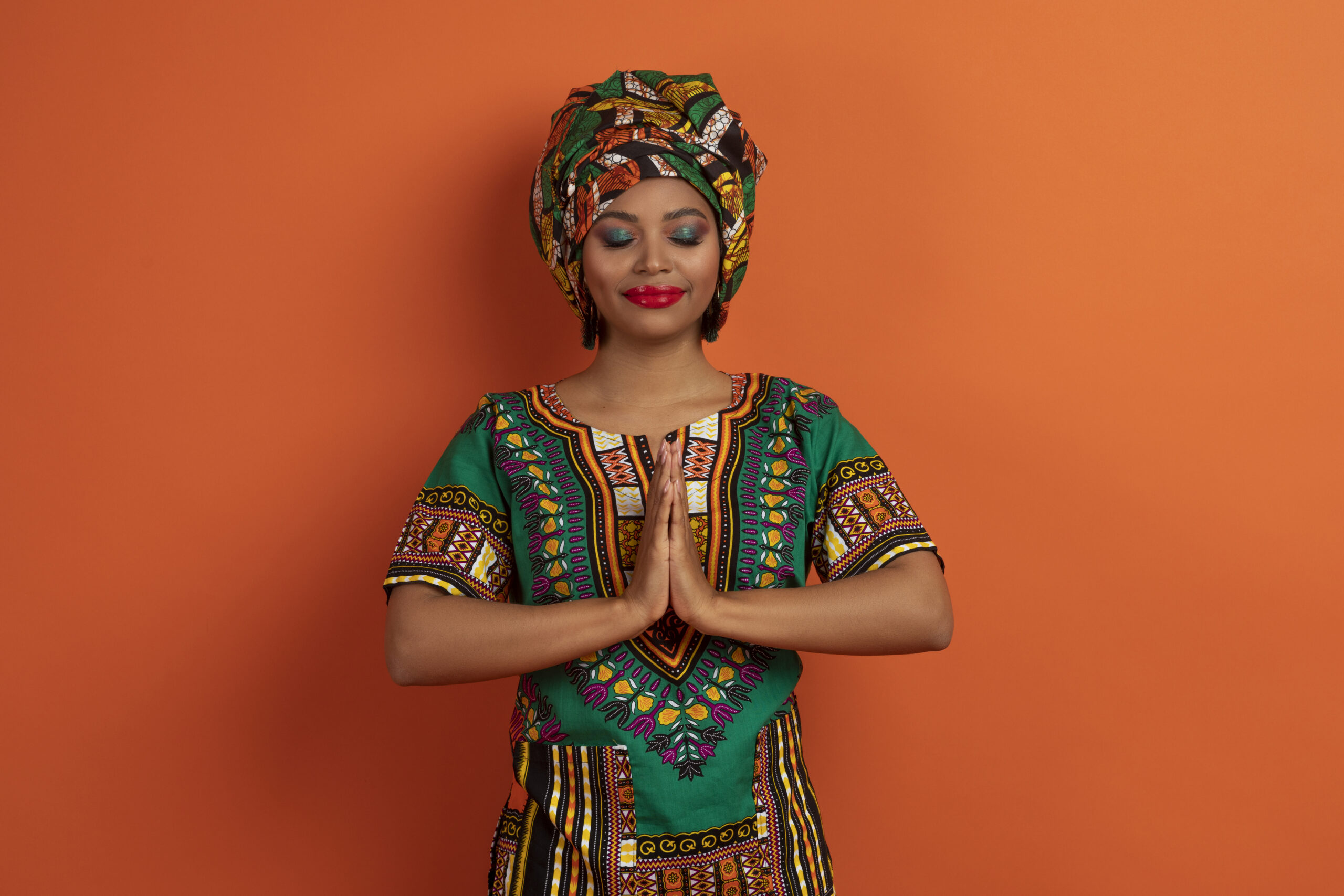


As we navigate the complexities of global communication, understanding and practicing cultural etiquette in public becomes increasingly important. Whether traveling, working abroad, or simply interacting with people from diverse backgrounds, being aware of cultural nuances can make all the difference in how we are perceived and received. By taking the time to learn and apply basic etiquette rules, we can foster a more positive and respectful environment for everyone involved.
Understanding Cultural Differences
Cultural etiquette is not just about following a set of rules, but also about being sensitive to the values and traditions of different societies. When interacting with people from diverse backgrounds, it’s essential to be aware of the cultural context and adjust your behavior accordingly. For example, in many Asian cultures, saving face is a vital aspect of social etiquette. In these societies, direct confrontation or criticism can be seen as a personal attack, leading to loss of face and damage to relationships. By being mindful of this cultural norm, we can avoid unintentionally causing offense and maintain positive relationships.
To better understand cultural differences, it’s helpful to research the customs and traditions of the countries or regions we are interacting with. This can include learning about local customs, dress codes, and communication styles. By being informed and prepared, we can avoid cultural faux pas and build stronger relationships with people from diverse backgrounds.
Nonverbal Communication
Nonverbal communication is a crucial aspect of cultural etiquette, as it can convey just as much information as verbal communication. In many cultures, body language and facial expressions play a significant role in conveying emotions and intentions. For instance, in Japan, direct eye contact is considered impolite, while in the United States, it’s seen as a sign of confidence and respect. By being aware of nonverbal cues, we can avoid misinterpreting or offending others.
In addition to body language, physical touch can also be a sensitive topic in different cultures. In some societies, physical contact is a natural way of showing affection, while in others, it’s considered invasive or even taboo. For example, in many Western cultures, a casual hug or handshake is a common greeting, while in some Asian cultures, it’s seen as a personal invasion. By being mindful of these cultural differences, we can avoid unintentionally causing offense and show respect for others’ boundaries.
Dining Etiquette
Dining etiquette is another area where cultural differences can be significant. In some cultures, food is a central aspect of social interaction, while in others, it’s seen as a practical necessity. For instance, in Japan, mealtimes are often formalized affairs, with strict rules governing table manners and food etiquette. In contrast, in some African cultures, meals are often communal and social, with a focus on sharing and camaraderie.
When dining with people from diverse backgrounds, it’s essential to be aware of local customs and traditions. This can include learning about specific table manners, such as not leaving your chopsticks standing upright in your rice bowl (a sign of respect in some Asian cultures), or not finishing a meal completely (a sign of gratitude in some Western cultures). By being informed and respectful, we can show appreciation for local customs and build stronger relationships with others.
Communication Styles
Communication styles can also vary significantly across cultures. In some societies, direct and assertive communication is valued, while in others, indirect and polite communication is preferred. For example, in some African cultures, assertive communication is seen as a sign of strength and confidence, while in some Asian cultures, it’s seen as aggressive or confrontational.
When communicating with people from diverse backgrounds, it’s essential to be aware of these cultural differences and adjust our communication style accordingly. This can include being more direct and assertive in some cultures, while being more polite and indirect in others. By being flexible and adaptable, we can build stronger relationships and avoid miscommunication.
Dress Code and Personal Space
Dress code and personal space are two areas where cultural differences can be significant. In some cultures, dress is a reflection of social status or occupation, while in others, it’s seen as a matter of personal expression. For example, in some Islamic cultures, modest dress is a fundamental aspect of social etiquette, while in some Western cultures, it’s seen as a matter of personal choice.
When interacting with people from diverse backgrounds, it’s essential to be aware of local dress codes and personal space boundaries. This can include dressing modestly in certain cultures, while respecting personal space in others. By being informed and respectful, we can avoid unintentionally causing offense and build stronger relationships with others.
Putting it into Practice
Mastering cultural etiquette in public requires a willingness to learn, adapt, and be flexible. By taking the time to research local customs and traditions, we can avoid cultural faux pas and build stronger relationships with people from diverse backgrounds. Whether traveling, working abroad, or simply interacting with people from different cultures, being aware of cultural nuances can make all the difference in how we are perceived and received.
So, what can you do to practice cultural etiquette in public? Here are a few suggestions:
– Research local customs and traditions before interacting with people from diverse backgrounds.
– Be aware of nonverbal cues, such as body language and facial expressions.
– Adjust your communication style to suit the local culture.
– Dress modestly and respect personal space boundaries.
– Show respect for local customs and traditions.
By following these simple tips, we can build stronger relationships and foster a more positive and respectful environment for everyone involved.