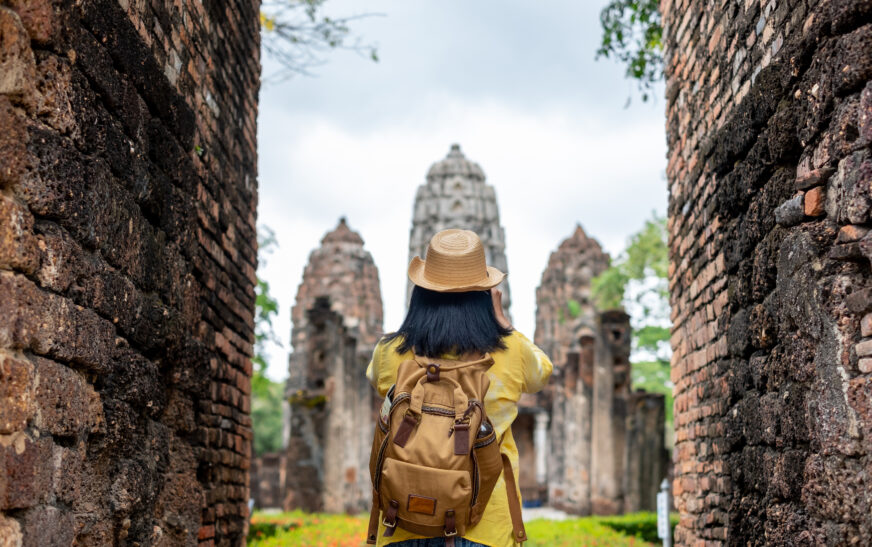

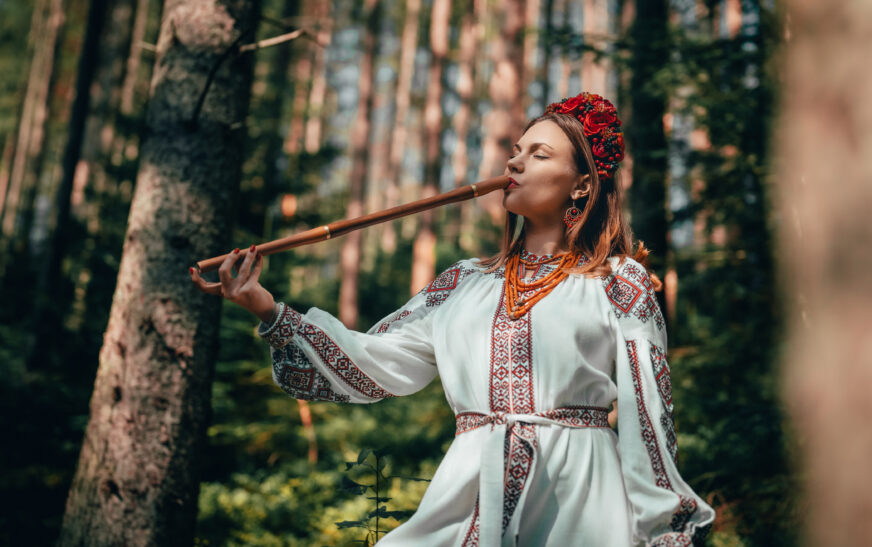
While experiencing modern life, people sometimes tend to forget about their cultural heritage, which has been transferred through generations. Folk traditions have always played an important role in shaping communities and their cultural identities. However, in recent years, globalization and technological development have negatively impacted folk traditions. Therefore, there is an urgent need to preserve the culture and folklore of the past times, keeping them alive for future generations. This article will discuss the importance of preserving folk traditions in modern times, providing several practical guidelines that might be useful.
Importance of Folk Traditions
First of all, it should be noted that folk traditions are an inseparable part of the cultural heritage of any nation or community. They are often connected to particular territories, ethnicities, or nations, as well as their customs, languages, and rituals. Preserving the folk tradition is of great significance because people pay homage to their cultural heritage, enriching the diversity of the global community.
For instance, Japanese tea ceremony and the festival of Diwali are important parts of cultural heritage that are closely associated with the life of people in respective countries. Such folk traditions allow people to communicate with each other and strengthen social bonds within communities.
Challenges Associated With Preserving Folk Traditions
Unfortunately, the process of preserving folk traditions is associated with certain difficulties in today’s world. First of all, the rapid urbanization and migration cause erosion of folk traditions due to the loss of ties with traditional communities. Furthermore, people may forget about their cultural heritage due to the adoption of new lifestyles.
Another issue related to preserving folk traditions is associated with the insufficient level of documentation and archiving. Usually, folklore is transmitted from generation to generation via oral traditions, which makes its conservation difficult. Besides, the emergence of digital culture has led to the fact that people do not pay attention to traditional storytelling and cultural practices anymore.
Strategies for Preserving Folk Traditions
There are numerous ways to preserve folk traditions in contemporary society. Below, the author will describe some of them.
Community Engagement
It is necessary to emphasize that the engagement of local communities is extremely important for preserving the folk traditions of different countries. Initiatives aimed at celebrating the cultural heritage of people living in the same areas should be promoted. In this case, people may organize various events, such as folk festivals, cultural events, and traditional skill-sharing programs, which will help promote cultural awareness and appreciation.
Documentation and Archiving
It is crucial to document and archive folk traditions for future generations. In this regard, people should record oral histories, take photos, shoot videos, and write articles. Creating a digital archive would help increase the availability of folklore.
Education and Training
Educational programs will help to promote cultural awareness and appreciation among young people. Educators and trainers can teach different traditional skills to learners, including craftsmanship, music, and dancing.
Digital Preservation
The creation of digital archives of folk traditions will help to save this type of cultural heritage and transmit it to future generations. People may develop online tutorials, video lessons, and podcasts dedicated to various cultural traditions.
Collaboration Efforts
Collaborating with others may help preserve folk traditions in contemporary society. People should join forces, share their ideas, expertise, and knowledge to generate innovative solutions for promoting and preserving the cultural heritage.
Case Studies of Preserving Folk Traditions in Contemporary Society
There are multiple organizations that play a considerable role in conserving folk traditions. Below, the author will provide some examples.
UNESCO Intangible Cultural Heritage Program
This international program aims to protect the intangible cultural heritage of different nations, ensuring its preservation in the context of globalization and technological advancements. People receive grants to work on various projects, developing educational programs and organizing events devoted to the preservation of cultural heritage.
Smithsonian Center for Folklife and Cultural Heritage
This institution provides educational and cultural programming, which promotes diverse traditions and folk traditions. It allows visitors to experience the rich cultural heritage of people.
Traditional Arts Program at the National Endowment for the Arts
This is a grant program created to support the conservation and promotion of traditional arts, including music, dancing, and crafts. People may apply for the financial support provided by the organization to continue their cultural activities.
Conclusion
It is necessary to say that folk traditions should be preserved for future generations. There are multiple strategies that might prove effective in the context of contemporary society.