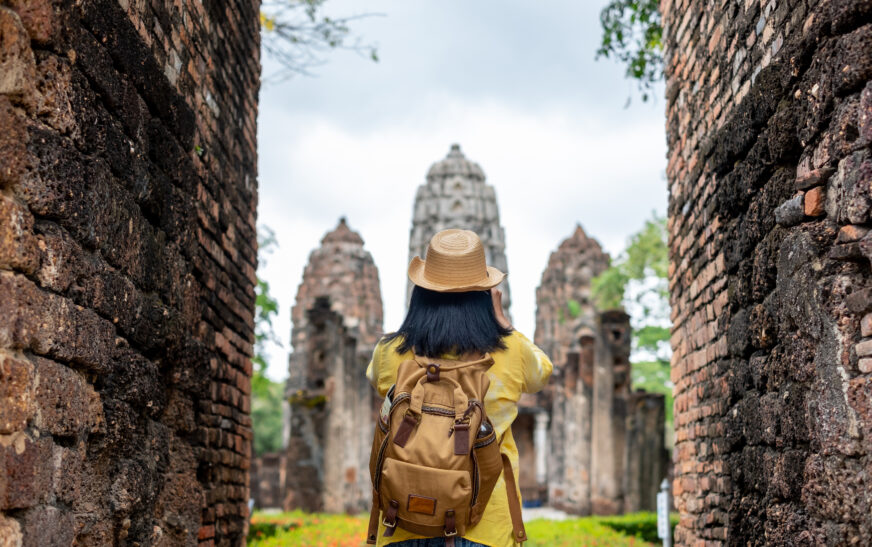


In today’s world, people focus on their daily routines and rarely think about the importance of preserving our cultural heritage. Our cultural heritage comprises various aspects of human civilization that have been developed throughout thousands of years. For instance, one can refer to architectural masterpieces, crafts and skills, traditional festivals, and numerous cultural artifacts. All these pieces of history are important because they help people feel connected with their past, understand who they are now, and define what path they should follow in the future. However, the rapid development of urbanization and globalization can cause significant damage to cultural heritage, which means that preserving it becomes crucial. Thus, it is necessary to examine the importance of cultural heritage preservation and develop strategies that can help protect various cultural artifacts and intangible cultural heritage.
Understanding the Importance of Cultural Heritage Preservation
Cultural heritage preservation is an important process that can help people maintain their traditions, skills, and knowledge. First of all, cultural heritage is an important aspect of the national identity of different countries. By preserving cultural heritage, people can save certain cultural traditions, skills, and values that are characteristic of a particular ethnic group. Moreover, cultural heritage can serve as a source of artistic inspiration, which helps people develop their creative skills. Finally, preserving cultural heritage helps people pass valuable knowledge and skills to future generations.
The Threats to Cultural Heritage Preservation
Although cultural heritage is important, there are many risks related to its preservation. For instance, the fast development of urbanization leads to the destruction of numerous landmarks and architectural masterpieces. In addition, climate change might negatively affect many natural landmarks, which could result in their disappearance. Furthermore, globalization might harm cultural heritage because it leads to the spread of modern consumerist culture. This trend encourages people to buy mass-produced goods rather than preserve certain skills and traditions. Finally, many cultural heritage preservation projects suffer from a lack of financing, which significantly limits the efficiency of such programs.
Effective Strategies for Preserving Cultural Heritage
To prevent cultural heritage from disappearing, specialists develop different strategies aimed at protecting various artifacts. For example, people can use the community-based approach to encourage citizens to join preservation programs. In addition, they can apply digital technologies, such as three-dimensional scanning, to document cultural artifacts. Moreover, they can establish collaborative programs with experts from several spheres, such as architecture, engineering, and conservation science. Finally, raising public awareness about the problem will be helpful for stimulating people to participate in preservation programs.
Preserving Traditional Crafts and Skills
To maintain various traditional crafts and skills, people can develop several programs that would help them continue practicing such activities. For instance, they can arrange apprenticeships where young people could work with skilled artisans. Moreover, people can organize different workshops and training sessions during which participants will learn how to develop specific skills. Additionally, they can support community-based programs, which will promote various crafts and traditions. Finally, specialists can use digital technologies to record traditional crafts and skills.
Preserving Historical Landmarks and Sites
Historical landmarks and sites also require protection because they represent important architectural achievements of the past centuries. To preserve these buildings and structures, specialists might use restoration and conservation techniques, which help maintain originality. Besides, they can implement protection programs that will prevent any changes made to a landmark. Furthermore, they can organize educational sessions to provide tourists with information about landmarks. Finally, specialists can encourage local communities to participate in preservation programs to protect landmarks.
Preserving Intangible Cultural Heritage
Intangible cultural heritage includes various aspects of culture, such as music, dance, and storytelling. Therefore, to preserve intangible cultural heritage, specialists might employ specific techniques that could help record this type of heritage. For example, they might organize training sessions, during which students will learn how to play traditional music or perform dance rituals. In addition, they can support cultural events that will involve various traditional practices. Moreover, people can document intangible cultural heritage using video cameras and audio recorders.
Conclusion and Call to Action
In conclusion, it is crucial to emphasize that preserving cultural heritage is one of the most vital tasks that people need to solve. Although this task seems difficult, people can find several ways to protect various cultural artifacts and intangible cultural heritage. First of all, they can involve their community in preservation programs and educate them on the importance of this issue. Secondly, they can collaborate with experts in architecture and engineering, who might help restore cultural artifacts. Lastly, they can apply innovative digital technologies to document cultural heritage.