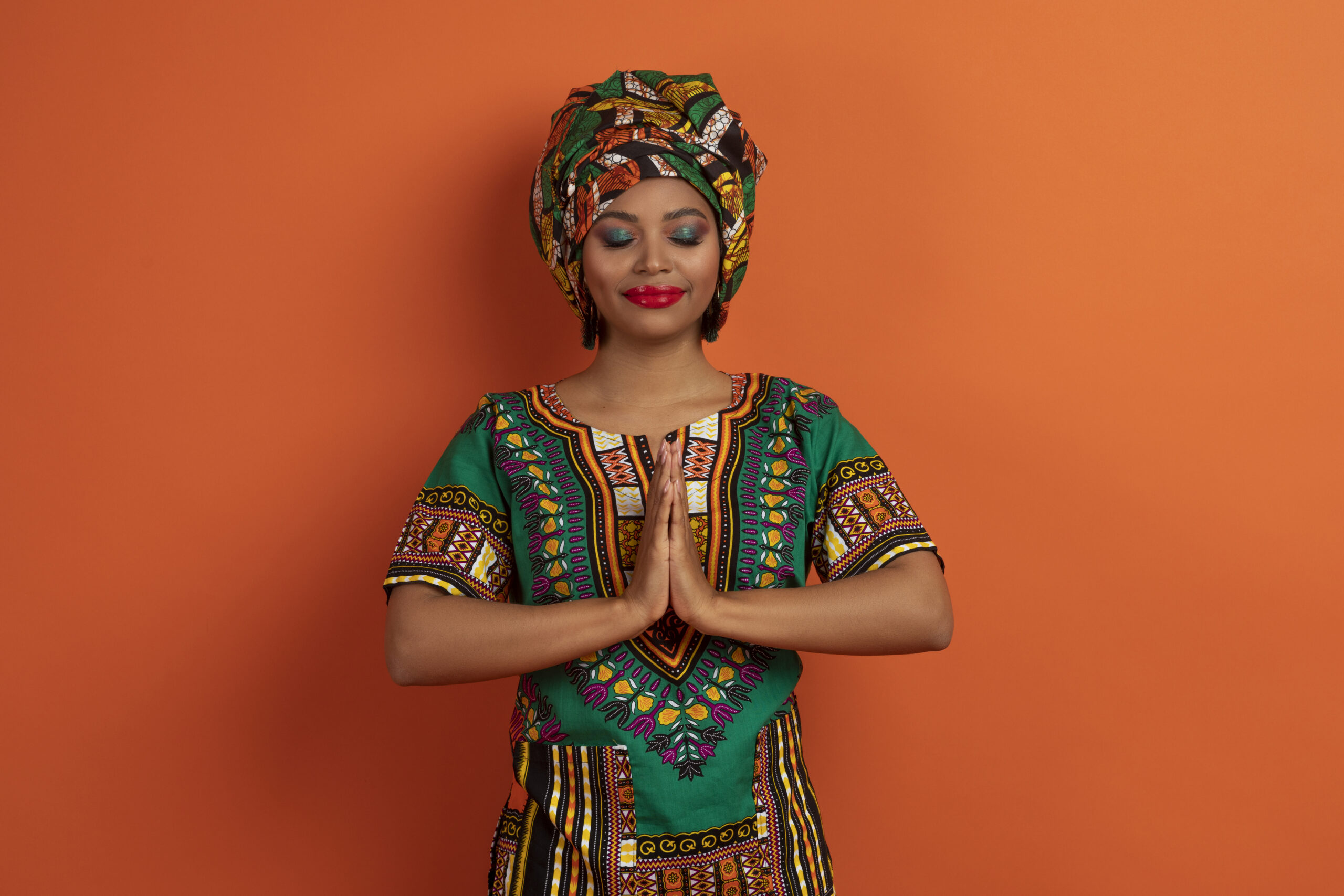


It is quite possible that in dealing with people from diverse cultural backgrounds one can have some misunderstandings or miscommunications in place. They can happen due to differences in communication styles that, in turn, can be associated with different cultural background of interlocutors. Thus, in some cultures, an aggressive communication style is considered to be offensive and rude, while in some other, it will be regarded as a way of showing respect and authority. Hence, to avoid any miscommunications and misunderstandings it is important to understand the peculiarities of the other side’s communication style.
High-Context vs. Low-Context Cultural Differences in Communication Style
There exist two major categories of communication styles depending on the nature of the culture involved: high-context and low-context ones. While people belonging to high-context cultures such as Asia or Africa prefer nonverbal ways of conveying messages, low-context cultures including the US and Germany prefer explicitness and clarity in messages and communications.
Namely, high-context cultures usually emphasize relations and trust between partners before entering direct communication. People are less likely to get straight to the point and prefer using roundabout ways of saying things. Contrarily, in low-context cultures, people are less concerned with interpersonal relations when communicating and are more focused on exchanging information.
Verbal vs. Nonverbal Communication in High- and Low-Context Cultures
Non-verbal signs, in particular, may also play a pivotal role when it comes to misunderstanding people from different backgrounds in terms of communication. Thus, eye contact, gestures, touch, tone, posture, space, time can become significant aspects of communication. Namely, in some cultures, looking directly into the eyes may seem impolite while in others it may be required in case one wants to show respect and authority.
For example, people in Japan tend to refrain from physical contacts even in everyday life. Contrarily, people from the West usually find a handshake to be a normal practice, which shows good will and friendliness. Hence, knowing about the peculiarities of each type of culture can allow people to understand the underlying principles of interaction without any misunderstanding.
Communication Styles in Different Cultures
Each culture tends to have its own communication style and the specific peculiarities that are determined by the history of each country and the cultural characteristics developed throughout centuries. For instance, communication style in African countries is characterized by the need for group participation in discussion and making decisions in favor of a larger community.
Similarly, in China and Japan, people tend to maintain hierarchy within society, which also applies to communication styles. Namely, people usually communicate in a formal manner and do not express their true feelings but prefer following the established norms of politeness. Contrarily, in Europe and America, individualism tends to dominate and direct speech becomes more common among people.
The Concept of Power Distance in Communication
Another important factor affecting communication style is power distance, namely the extent to which people perceive power differences in a particular culture. For instance, Southeast Asian cultures are known for their high power distance, and thus people usually show great deference to those who possess any sort of power in society. On the contrary, Scandinavian countries are characterized by lower power distance, and here people challenge authority all the time.
Thus, understanding this notion will be crucial in case a person wants to know how to behave in another country. However, it is also worth mentioning that some nations cannot easily be labeled as having high or low power distance, for instance, Latin cultures.
Effective Communication Across Cultures
Having discussed the main cultural differences in communication styles, it seems appropriate to provide several tips on effective communication between people coming from different cultures. First of all, one should realize that in some cultures it might be inappropriate to be too expressive and direct. It is also crucial to take into account the peculiarities of nonverbal language that differs significantly in various cultures.
In addition, one should remember that sometimes it is better to establish trusting relationships before going on talking about more significant issues. In addition, there is also an option of using modern technologies such as video conferencing that helps overcome the problem of cultural differences in terms of communication styles.
Building Cross-Cultural Communication Skills
As it was said, learning how to effectively interact with people from different cultures requires much practice and willingness to understand the peculiarities of different cultures. Here are some practical steps that should be taken in order to achieve greater results in cross-cultural communication.
* One should be familiar with cultural differences in communication styles and act in accordance with them;
* One should be concise and clear when using language;
* It is important to take into account nonverbal cues of people’s behavior;
* People from different cultures should be made feel comfortable through building trusting relationships;
* Finally, one should use modern technologies to foster cross-cultural communication.
Conclusion
To conclude, it seems reasonable to say that it is necessary to know the cultural characteristics of different peoples to communicate effectively with them.