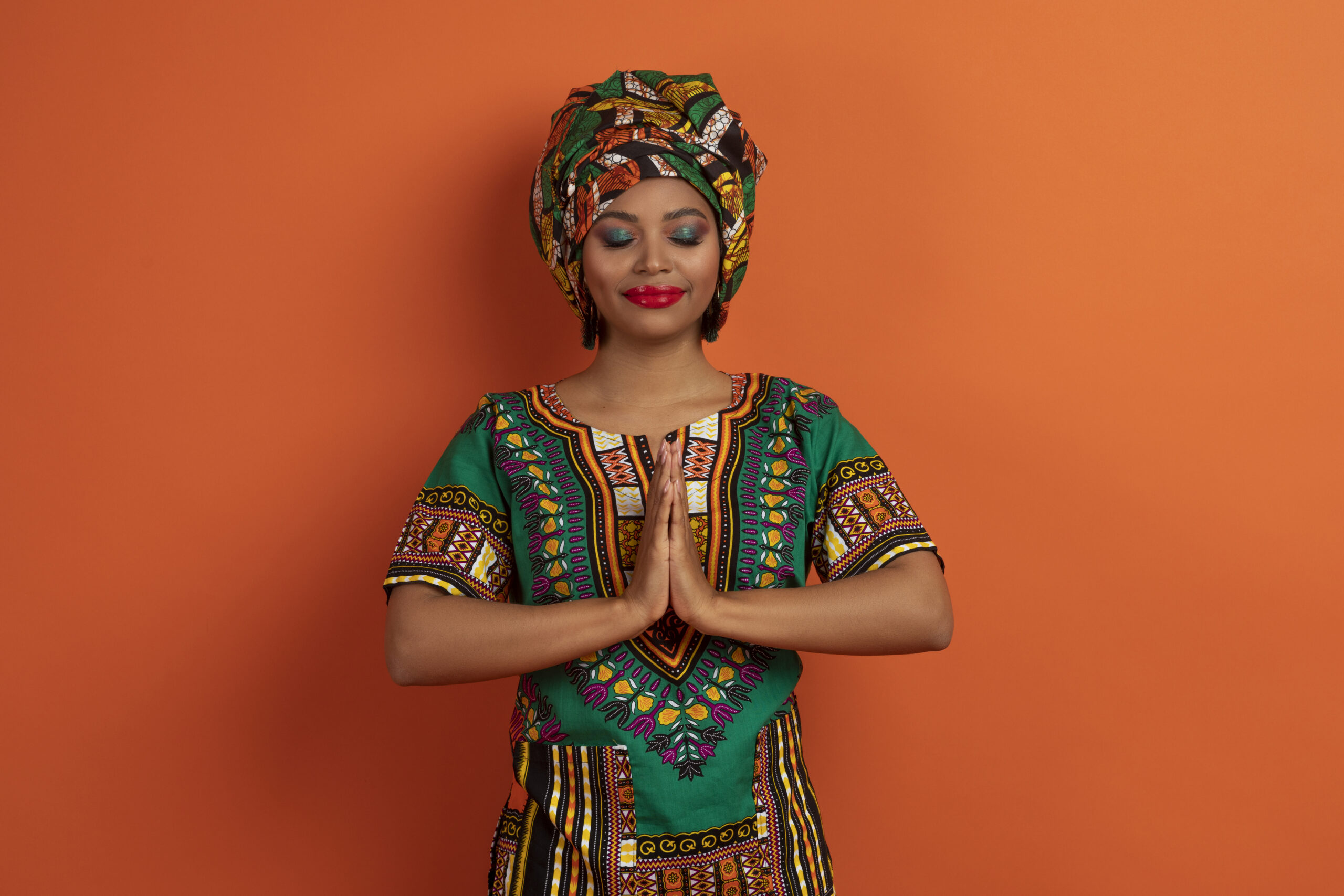

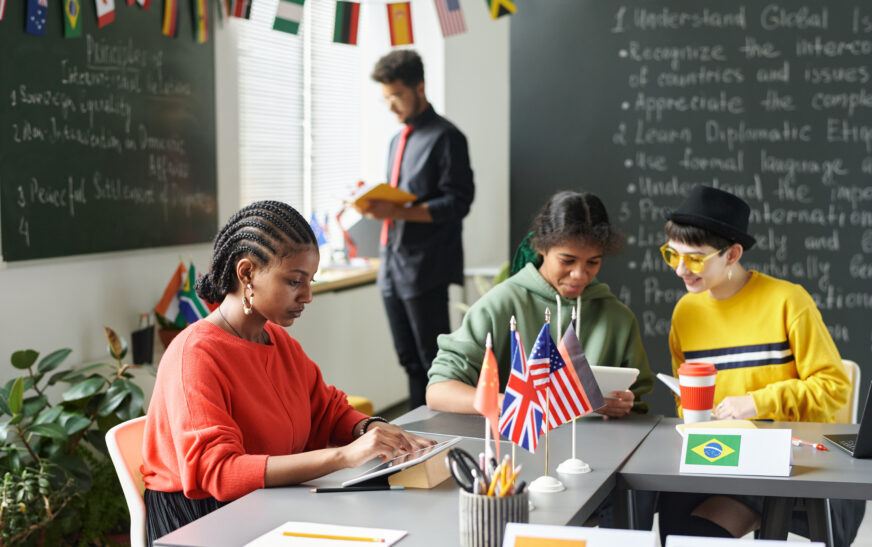
Nowadays, more and more diverse communities come together as there are many different cultural backgrounds among students who attend one class together. Although it is quite challenging to work with people of various cultures and religions, such collaboration can bring a lot of benefits to learners. In case of ignoring this diversity, a teacher will not be able to build up a good learning environment in his or her classroom.
The Importance of Cultural Diversity in Schools
It goes without saying that the cultural diversity in schools is important in terms of preparing learners for their future lives, when they should know how to deal with people who belong to different nations. It means that diversity is a prerequisite to building strong relationships between people, so that we can say that its presence is essential. To begin with, it helps to open up new perspectives to learners as they become aware of traditions and customs of various countries. Moreover, cultural diversity helps to be more innovative because of numerous perspectives offered to people in such environment. Finally, it prepares students for their future careers, as we live in a global world where everyone is supposed to deal with people belonging to various nations and backgrounds.
A good example of such situation is provided by the presence of diverse students in the same class as they learn about new traditions from each other. For instance, a student from Asia shares his or her traditional New Year celebrations with his or her peers, who get acquainted with their traditions. The same applies to Latin America, where students can tell others about dancing and music of their countries.
Nevertheless, in addition to positive aspects, there might also arise some issues related to cultural diversity in the classroom. The thing is that students can experience problems due to misunderstanding of each other. For instance, students can have different opinions regarding how they treat some problems such as personal space or communication.
Creating a Culturally Responsive Learning Environment
A learning environment in the classroom becomes very effective, when it responds to students’ diverse needs and preferences. For example, a teacher should pay attention to the fact that each student has a background and culture and take care of them. Thus, in order to make it possible, teachers can do the following:
– Use inclusive language and avoid making assumptions about students’ cultures and backgrounds;
– Introduce diverse texts, images, and resources into the lessons;
– Promote students’ sharing of their perspective and experiences;
– Avoid stereotyping students and showing bias.
As we see, creating such classroom can be achieved easily and quickly by applying several simple strategies. For example, a teacher can apply a diverse range of books for their English literature course to make sure that each student feels comfortable during the lesson.
Strategies for Teaching Cultural Diversity
There exist several approaches that teachers can choose in order to teach cultural diversity in a classroom. Some of the most popular techniques are outlined below:
– Cultural immersion, which presupposes the introduction of guests from various cultures in the classroom to talk about their background;
– Implementation of cultural exchange programs, which involve interaction between students from two countries or cultures;
– Organizing service-learning projects where students can participate in community work and share information about their backgrounds.
Thus, the implementation of any of these techniques would provide a great opportunity for teachers to work with diversity in the classroom.
Overcoming Challenges in a Culturally Diverse School
Although a culturally responsive learning environment is important in a classroom, it still causes certain difficulties that are faced by teachers. The problem appears due to the inability of educators to respond adequately to the needs of their diverse students as they do not know enough about them. In this connection, it is vital for a teacher to deal with such issue successfully.
To overcome challenges mentioned above, one can try to do the following:
– Seek help from colleagues, cultural experts, or school leaders;
– Work out the strategy on creating the learning environment that would be respectful to diversity;
– Participate actively in professional development;
– Build up a positive classroom culture based on respect to others.
Thus, we see that overcoming difficulties related to diversity in the classroom is not difficult for teachers.
Conclusion and Call to Action
In conclusion, we would like to note that working with diversity in the classroom is rather interesting and enjoyable process. Teachers should remember about the significance of diversity in their practice and try to implement this concept in reality successfully.
Thus, in order to create a culturally responsive learning environment, a teacher should do the following:
– Reflect on your own biases and assumptions regarding diversity in the classroom;
– Come up with a strategy that would take into account the diversity present in the class;
– Take part in professional development activities;
– Try to foster such classroom culture that would value diversity and empathy.