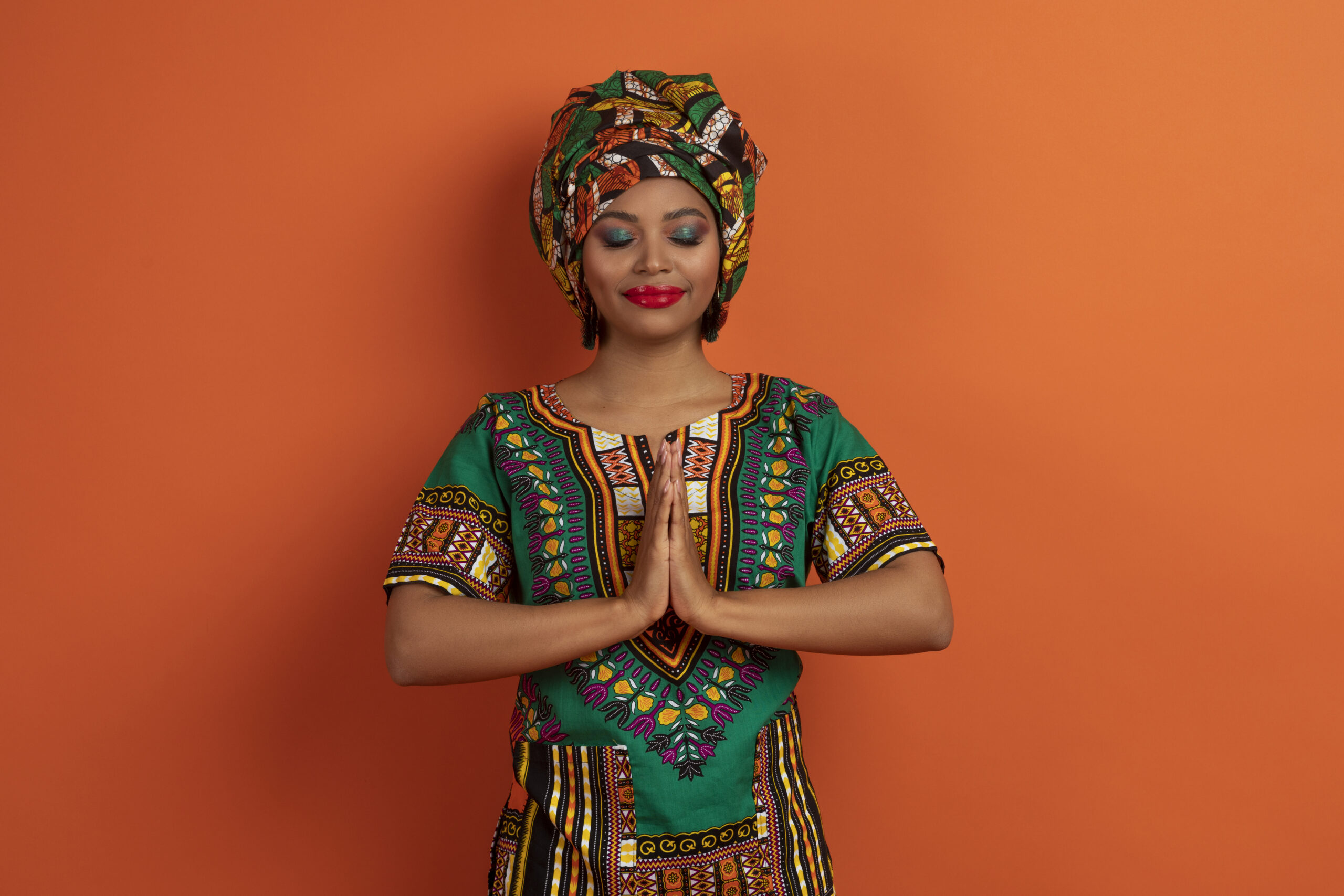


Cultural roles refer to the norms, expectations, and behavioral patterns used to explain the behavior of people in society based on particular cultural norms. The roles are determined by various factors including family background, education levels, religion, and social status among others. Knowledge about cultural roles is important for successful interaction with people and building solid relationships.
Significance of Cultural Roles in Society
It is important to understand cultural roles due to several reasons. First, these roles are used to explain identity, values, and beliefs about particular individuals or groups of people. Second, cultural roles determine the type of relationship developed between people in social groups. Third, cultural roles provide guidelines on how to conduct oneself during different social interactions. In case of a multi-cultural environment, it is critical to know the roles of people in order to promote harmony in the community.
Examples of Cultural Roles Based on Family Background
Family is a central concept in many cultures. In many cases, family roles define the roles of people. For example, in many Asian cultures, there is an emphasis on family roles where children are expected to look after their parents as they get old. Additionally, there is an emphasis on ancestor worship in such families. On the contrary, there are cultures where individualism is emphasized, and there is no family hierarchy. For instance, in some Western cultures, family roles are mainly defined by individual preferences.
Role of Power in Determining Cultural Roles in Society
Power dynamics play a significant role in determining cultural roles. Where power dynamics are prominent in cultures, roles tend to be hierarchical in nature. For instance, in many societies, there tends to be dominance of men where they exercise authority in family and community affairs. This results into oppression and discrimination where power is exploited to gain personal advantage.
However, there are societies where roles are not determined by power. In some African societies, there is a preference for elders whose opinions tend to weigh heavily when it comes to decisions. Thus, elders are seen as having power because of their experience and knowledge gained over time.
Implications of Cultural Roles in Terms of Individual’s Sense of Self
There is a direct correlation between cultural roles and self-concept of individuals. For example, adherence to cultural roles provides confidence and satisfaction. On the contrary, when people do not adhere to cultural roles, they tend to experience negative emotions. For example, people may feel guilty or ashamed when they fail to perform tasks or adopt behaviors expected from them.
Additionally, the roles determine one’s identity in a given society. For instance, there are cultures where women are expected to be home makers whereas men are expected to work. Thus, failure to perform these roles can make women feel less feminine. Likewise, failure to meet masculinity criteria makes men feel inferior and ashamed.
Changes in Cultural Roles Over Time
Over time, cultural roles change in response to various social, political, and economic changes. Some factors that contribute to changing cultural roles include globalization, increased educational levels, and technological developments among others. For instance, feminist movements have brought about change in traditional roles assigned to women. Consequently, women are now performing roles traditionally assigned to men.
However, changing roles is not easy because it is difficult to abandon traditional views that define roles. Nevertheless, people should embrace change in order to develop new roles. Change is important because it promotes innovation, flexibility, creativity, and social development.
Role of Education in Defining Cultural Roles
Education has a great contribution to cultural roles. Through education, students are exposed to different cultural backgrounds hence gaining insight into various roles. Students become aware of various perspectives and learn how different groups live. This increases tolerance and respect for differences that exist between people.
Additionally, through education, individuals become independent and learn how to make decisions without being swayed by traditions. For instance, in some societies, girls’ education is prohibited since it conflicts with traditional views. However, education helps girls to achieve their goals despite facing social resistance.
How to Build Cultural Competency
Building cultural competency is crucial in a multicultural environment. Individuals can learn about various cultures through participation in cultural activities such as dances, festivals, sports, and food fairs among others. Moreover, individuals need to be open minded and willing to learn about cultural roles.
Individuals can also engage in dialogue with members of other cultures. This provides an opportunity to understand their roles and beliefs. People should also seek for professional advice when trying to learn new cultures. This will ensure that there are no misunderstandings.
Conclusion
Culture is important in defining roles and values of people in society. Through cultural roles, people learn about social expectations hence developing appropriate responses. Moreover, roles are important in ensuring continuity in a society. They ensure transfer of information across generations.