
Composting means a practice that dates back to the ancient civilizations of Egypt, Greece, and Rome. Despite this, there are many people, particularly those living in urban settings, who have never heard about it. Nonetheless, as the world grapples with environmental challenges, composting is a significant practice that everyone needs to undertake to protect nature.
How Composting Works
Composting is the natural process in which organic materials are broken down by aerobic digestion into humus. As part of the composting process, green materials like kitchen scraps, grass clippings, and other yard wastes as well as animal waste are mixed with brown materials such as sawdust and paper and allowed to decompose into humus. The resulting soil is rich in nutrients and can be used to fertilize plants.
Why Should Everyone Compost?
Home composting has several benefits, and all people will gain from doing it. First, composting can save us the burden of sending large quantities of organic materials to the landfills since the latter can easily be converted to humus which is needed in gardens. Second, composting can save you on water since you do not have to use as much water to water plants since there will be no need to buy fertilizers. Third, composting leads to fertile soils.
Choosing the Right Composting Method
There are various techniques that can be used to compost at home. Traditional composting is the commonest technique; however, there are other options including vermicomposting or bokashi composting. Vermicomposting uses worms to break down the organic matter, while bokashi composting uses microorganisms to break down organic materials.
Setting up Your Composting Bin
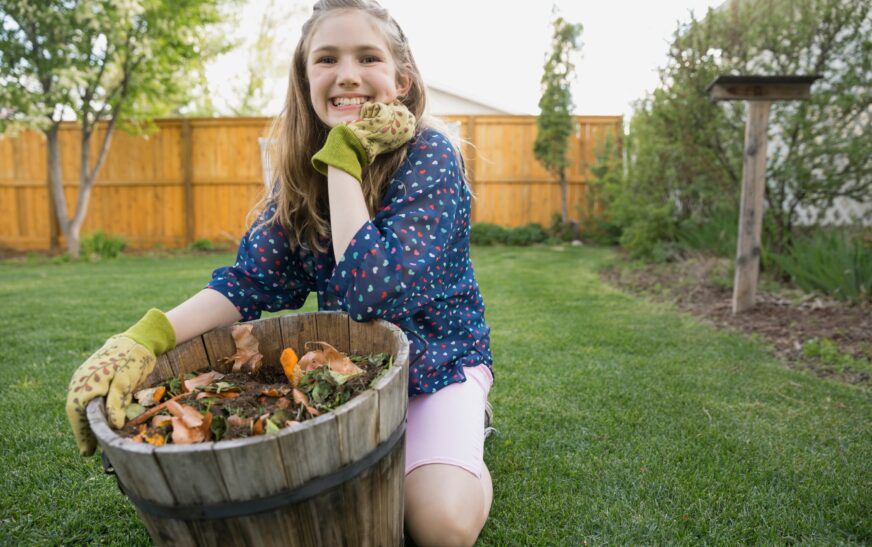
To begin composting at home, it is necessary to select or make a composting bin. The good thing is that you can make your own composting bin at home or simply purchase one in garden centers. The best choice depends on different factors such as the size and material. You can choose a wooden pallet or plastic bin and fill it with brown materials like leaves to reduce the moisture.
Collecting and Preparing Materials
After setting up a composting bin, the next step is to collect the necessary materials for your compost and prepare them. Collection is a simple process, and you should be able to get the materials since you have them in abundance at your homestead. For instance, any vegetable and fruit peel will help enrich your compost with additional nutrients.
Balancing green and brown materials is crucial since the former contains nitrogen, which is available in abundance during summer, but the latter is available during the winter. Meat, dairy products, or oil are not good since they attract vermin. Pet waste and weeds should not be included since they may introduce pathogenic organisms to the compost. Chopping or shredding materials will increase the rate of composting.
Maintaining Your Composting Bin
It is important to ensure that the composting bin is maintained appropriately since it creates an excellent habitat for organic matter decomposition. Regular turning will improve the rate of decomposition, and it is critical to keep the compost bin balanced with the necessary materials. Water is important since it regulates the humidity in the compost bin; however, avoid overwatering since it causes anaerobic digestion, resulting in foul odor.
Temperature in the compost bin gives an indication of the prevailing conditions in the compost bin. The process of decomposition takes place between 130 degrees Fahrenheit and 140 degrees Fahrenheit. Temperatures exceeding 160 degrees indicate that the compost has already decomposed. Microorganisms like compost tea or worm castings can stimulate bacterial activity, enhancing the composting process.
Using Your Compost
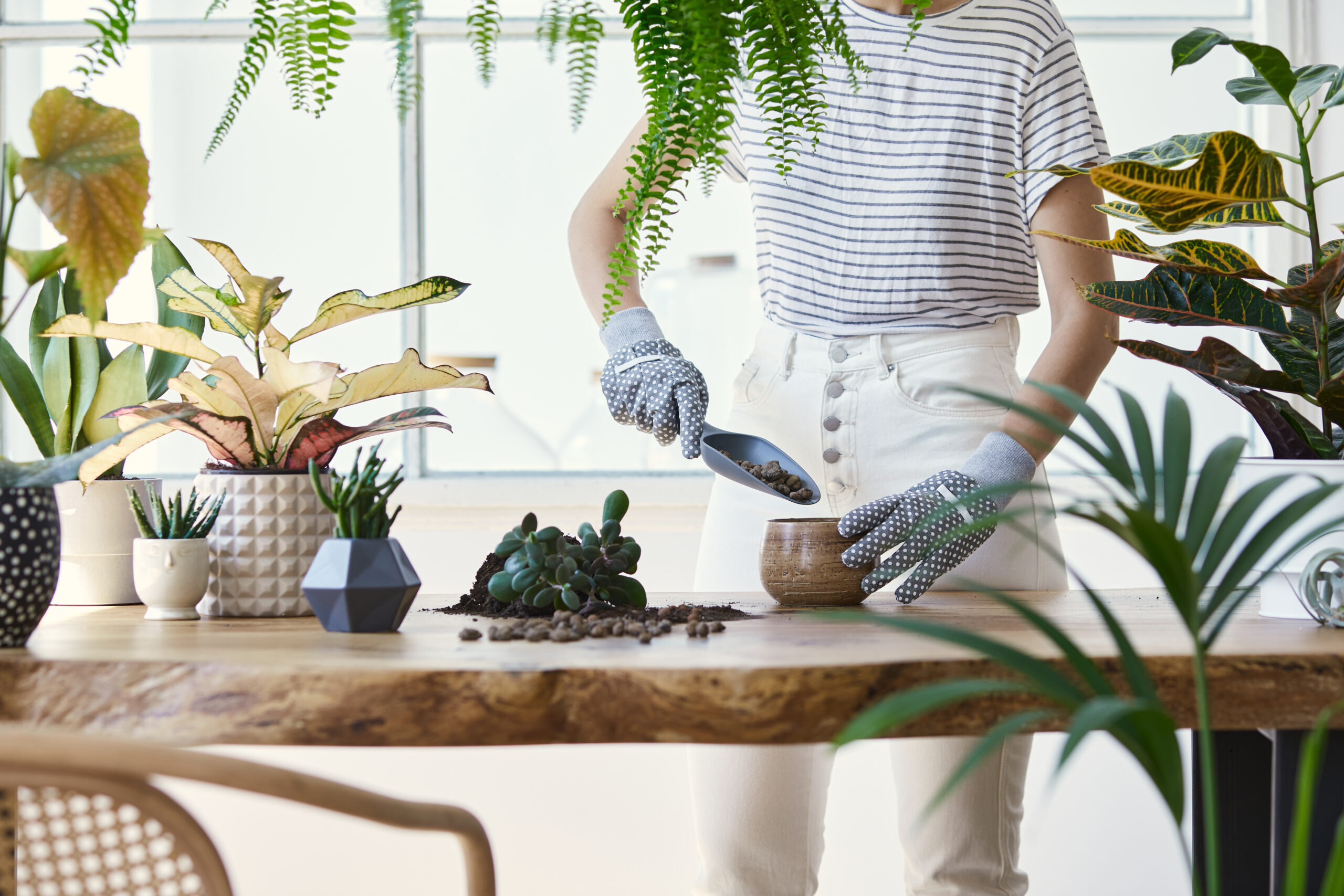
Finally, when the composting process ends, you can use the resultant humus to fertilize your garden. It can be applied either as liquid or solid fertilizer depending on preference. Worm castings are good solid fertilizers and contain numerous microorganisms that will support the growth of your plants. Mixing the compost with soil enhances the quality.
Conclusion and Call to Action
Overall, composting is an effective and efficient way of producing valuable fertilizers. There are various methods that can be used to compost, but all are suitable for households. Home composting requires getting a bin, collecting materials, preparing and maintaining the compost bin as well as utilizing the result.