

Gardening is a great activity that allows people to enjoy healthy and tasty fruits and vegetables from their own backyard kitchen garden. Growing your kitchen garden provides you with the opportunity to cultivate your food in a sustainable manner. However, you need to plan and prepare accordingly to ensure success.
Steps to Start a Kitchen Garden at Home
Location Selection
When growing your kitchen garden at home, finding the right location for it is a very important step. Ideally, you should choose a location that has ample sunlight, which is important for plant development. Besides, there should be proper air circulation for good growth. Additionally, you should not select a moist position because it results in root rot. You can create a kitchen garden in a small balcony or patio through hydroponics and vertical garden planter.
Also, you need to find a location that is easily accessible without much struggle. Finally, the area should be close to the water source because it makes irrigation easy when needed.
Selection of Plant Species
When growing a kitchen garden, you should find the ideal plants that would suit the purpose. Common types of plants for your kitchen garden include herbs like basil, mint, and cilantro to give your dish unique flavors. Additionally, you can choose various vegetables such as cucumbers, tomatoes, and peppers that you can snack on and use in salads. Other vegetable plants worth considering include heirloom vegetables that you can enjoy for their unique texture and flavor.
Moreover, you should think about growing plants that are relatively easy to grow. There are several types of crops that can thrive easily and quickly like lettuce, spinach, and radishes. They take only two weeks to mature; thus, ideal for novice gardeners. Other crops worth noting are heirloom plants that have higher resistance against pests and diseases than modern ones.
Preparation of the Soil
When preparing the soil for your kitchen garden, you should perform various activities. First, you should determine the appropriate pH value, which is different for different plant species. You can check the soil pH using a test kit. The ideal soil pH is slightly acidic or neutral for herbs and vegetables ranging from 6.0 to 7.0. In case of alkalinity and acidity in your soil, use soil amendment measures to change the soil pH.
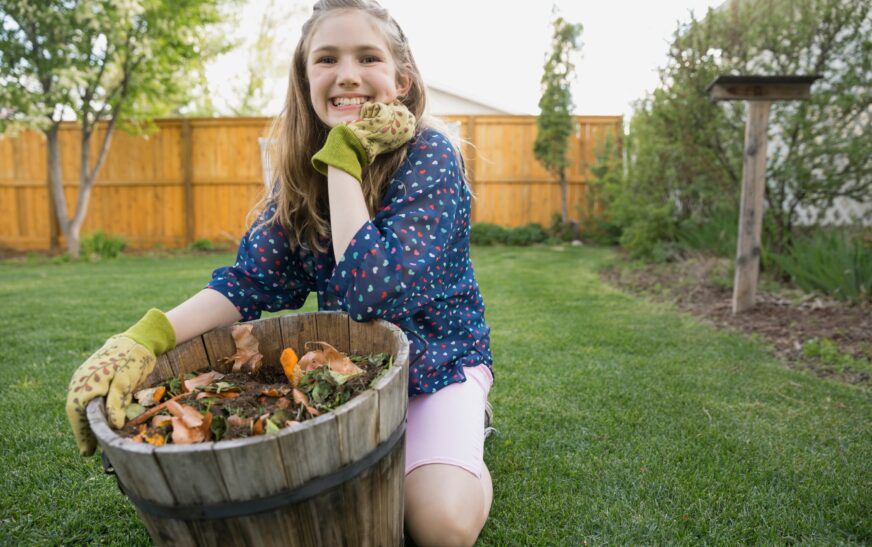
You can improve your soil fertility using many strategies. For example, one of the best strategies to enhance soil fertility is using compost. Another option is using manure tea as a liquid fertilizer for your garden.
Planting and Care
After preparing the soil, you need to plant your garden. To begin with, loosen your soil to a depth of 12 inches to allow adequate root growth. Create planting grids to enable planting the plants at ideal distances. Additionally, you need to ensure the crops have the right spacing to grow properly.
Proper watering is important for plant development. Avoid over-watering the plants to ensure the prevention of issues such as root rot. Irrigation using systems like drip and soaker hose irrigation systems ensures that water goes directly into the roots, preventing evaporation.
Harvesting and Preservation
It is always fun to start harvesting plants grown in your kitchen garden. Different plants reach maturity at varied times. You can harvest leafy greens such as lettuce and spinach at a younger stage of growth when they are fresh. Similarly, you should harvest herbs like basil and mint when they blossom. Harvested foods should be stored effectively to increase shelf life.
Some preservation techniques include freezing, canning, and drying of plants. Fruits and vegetables can be frozen while drying works well with herbs and other leafy vegetables. On the other hand, fruits and vegetables can be canned for long storage.
Kitchen Garden Expansion and Maintenance
A kitchen garden tends to expand with time. You can use some approaches to expand and maintain the kitchen garden. Among them are raised beds, which allow increased soil depth and drainage in the garden. Climbing plants like peas and beans can benefit greatly from trellis.
Besides watering, application of fertilizer and mulch are important for maintenance. Using compost tea, which is liquid fertilizer, is one of the most effective maintenance strategies.
Advice for Novice Gardeners
Gardeners can face various challenges when starting a kitchen garden at home. Here are some tips to overcome these challenges.
* Begin with small kitchen gardens and gradually expand with gained experience.
* Use easy crops such as lettuce and spinach, which need less attention.
* Use containers for gardening to increase space available for garden expansion.
* Ask for assistance from professional gardeners whenever possible.