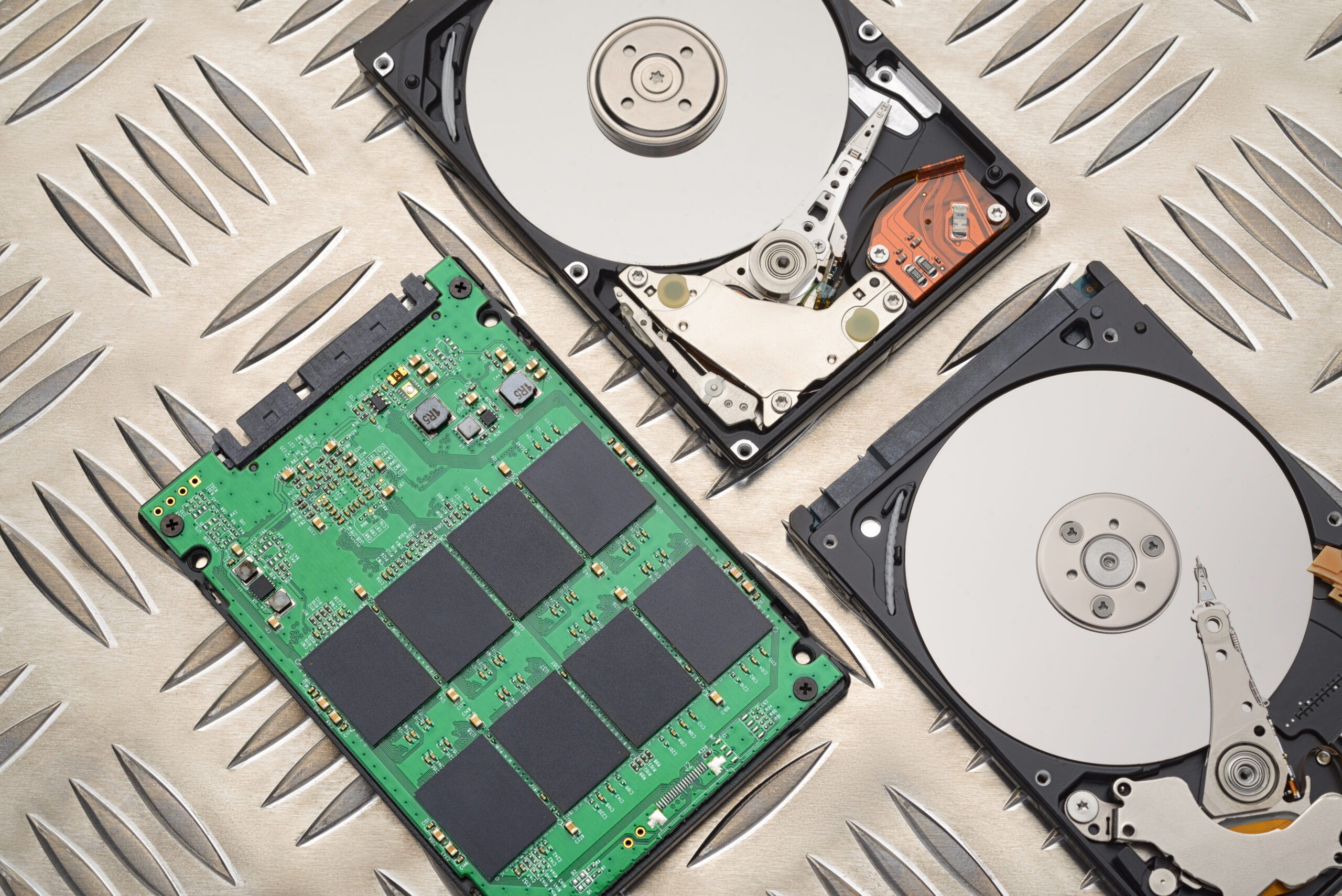


One of the key components in building and upgrading the gaming PC is the graphics card. Indeed, a powerful graphics card can provide smooth game performance while a cheap model will cause constant lagging. As there are plenty of graphics card models on the market today, choosing the proper one may be challenging even for experienced gamers. Nevertheless, some information and guidelines can be quite helpful when selecting an adequate graphics card.
Graphics Cards Types There are different graphics card types, including:
* Integrated graphics,
* Dedicated graphics,
* Hybrid graphics.
As one can understand from their names, integrated graphics are integrated into the processor. They are quite suitable for office use because they do not have any special functions for gaming. In contrast, a dedicated graphics card is developed specially to render games and videos, so it is rather powerful. Finally, the hybrid graphics card is capable of using integrated and dedicated graphics depending on the task. Such models can be called an ideal compromise in terms of price and performance.
How to Choose the Best Graphics Card
It is necessary to think about what kind of graphics card is needed before buying it. It should be taken into account how serious the gamer is. For example, for a casual user, a medium-priced graphics card will be quite enough. However, if he plays demanding games, he will have to choose a powerful model. The second important thing to consider is the desired resolution. If the user intends to play games at the resolution of 1080p or 1440p, then the mentioned models will be enough for him. However, for 4K and above, a powerful graphics card is needed.
Checking Graphics Card Specifications
The following graphics card parameters must be examined before choosing:
* GPU clock speed (MHz): this parameter indicates the speed at which the graphics card renders images;
* Memory (GB): it shows how much memory is allocated for rendering;
* Memory bandwidth (Gbps): it reflects the speed of data transfer between the graphics card and computer RAM;
* Power consumption (watts): this parameter indicates how much power is required to run the graphics card.
Power Requirements
One more thing to take into account is the power consumption of the selected graphics card. High-end cards usually require much power, which causes additional heat generation and even noise. It is important to consider it when building a gaming PC. Therefore, one needs to purchase a power supply unit that provides the required power.
Compatibility and Upgradeability
The graphics card should be chosen taking into consideration its compatibility with the computer. One needs to make sure that it does not conflict with anything and can be upgraded in the future if needed.
Budget and Price
As mentioned earlier, one should consider his budget before purchasing a graphics card. For example, powerful models can be too costly. At the same time, a gamer should spend enough money buying a product that will work well. However, if one does not have enough finances, a mid-range graphics card can help.
Warranty and Support
When choosing a graphics card, one must examine carefully the warranty and support that are offered by manufacturers. Reliable and trustworthy companies provide quality products and support services that are important when the purchased component requires repair or installation.
Research and Reviews
It is important to read reviews of graphics cards from other gamers before buying a product. The user can find useful information from reliable sites like Tom’s Hardware, PC Part Picker, and Reddit.
Conclusion Choosing an appropriate graphics card can be a challenging task. However, having taken into account some factors, the process will become much easier. Namely, it is recommended to pay attention to one’s gaming needs, desired resolution, specifications, power requirements, compatibility, upgradeability, price, and warranty and support.