

How to Explain the Science of Chemical Bonds

Chemical bonds are the forces that hold atoms together to create molecules. In short, a chemical bond is a force that forms when atoms come into contact with one another. The process of forming chemical bonds between atoms leads to creating the molecules and compounds of the material world. Hence,

How to Explain the Science of Blood Circulation
Blood circulation is a critical part of any human being’s body since it is one of the processes that define how we exist and sustain ourselves. Blood circulation is a mechanism of moving blood through the body’s tissues and organs. This process delivers nutrients and oxygen to our tissues and

How to Explain Climate Change Simply
The phenomenon of climate change is extremely complicated and consists of various components that influence people’s lives directly and indirectly. Thus, it is crucial to learn about the basic concepts associated with climate change to get a proper understanding of this issue. Analyzing the discussed topics will make it easier

How to Explain Artificial Intelligence Simply
Artificial intelligence is undoubtedly one of the trending buzzwords today. Yet, what does it actually refer to? Indeed, talking about AI is quite a frightening issue for those who lack sufficient understanding of programming and computer science in general. Nonetheless, there is absolutely no need to know how exactly the

How to Develop Scientific Thinking Skills
Development of scientific thinking skills is of paramount importance in personal and professional growth. Acquiring scientific thinking skills can help individuals adopt a more logical and analytical approach to problems, analyze evidence, and make sound decisions. As a result, those people who have developed scientific thinking skills will have greater

How to Create a Simple Science Experiment at Home
Experimenting at home is a fantastic approach to developing practical skills in science. Not only will students learn more about various concepts in physics, chemistry, or biology; they can also engage their imagination to develop new experiments. With proper planning, it becomes possible to create a simple science experiment and
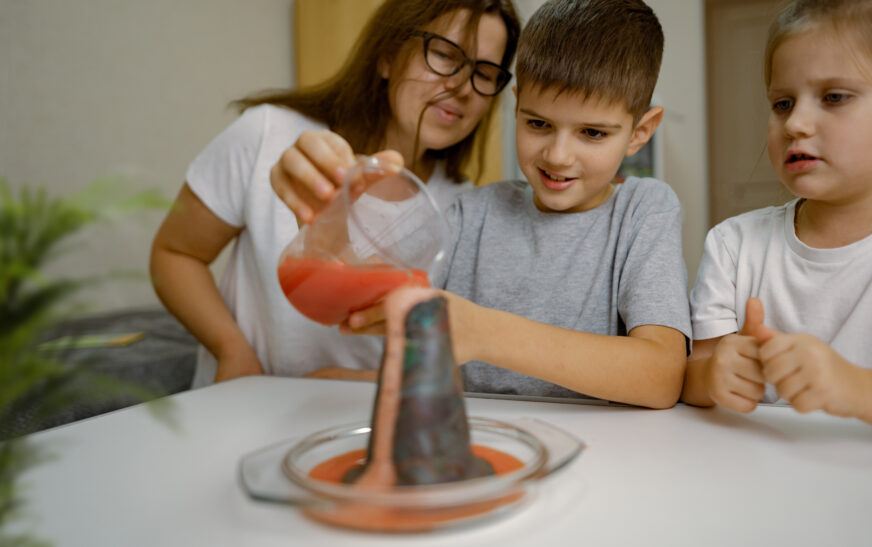
How to Build a Simple Volcano Experiment
Volcanic eruptions might remind one of the impressive and terrifying power of Mother Nature. These natural phenomena are usually associated with the formation of mountain ranges, but what is the process that leads to volcanic eruptions? There exist several methods to recreate the process of a volcano creation. A simple

How to Build a Simple Robot at Home
One of the fun things people can do is build robots in their homes. Robots can be simple or complex machines designed for different purposes and applications. It might seem impossible for an average person who does not work in the field of technology and robotics. However, it is rather

How to Understand Why the Sky Changes Colors
There are many colors in the sky above us; sometimes they are yellow and sometimes – purple. It may seem that these colors appear in the sky spontaneously, however, there are certain processes in the sky, thanks to which there are changing colors in it. These processes include light refraction,
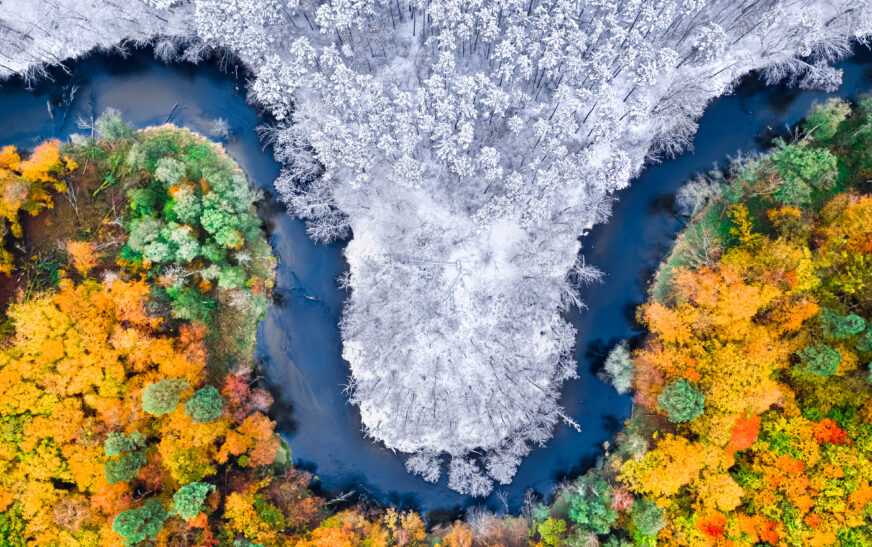
How to Understand the Water Cycle Easily
The water cycle, also known as the hydrological cycle, is the constant cycle of water between oceans, atmosphere, and land. As a natural phenomenon, the water cycle is very important for sustaining life on our planet. Nevertheless, the water cycle can be considered rather difficult to understand. Consequently, in this
About Me
Hello! I’m Pritam Y. Lim
I’m a passionate blogger and content creator behind Orange Snake How-To Website. I enjoy sharing helpful tutorials, practical tips, and easy step-by-step guides that help people solve everyday problems and learn new things online.