

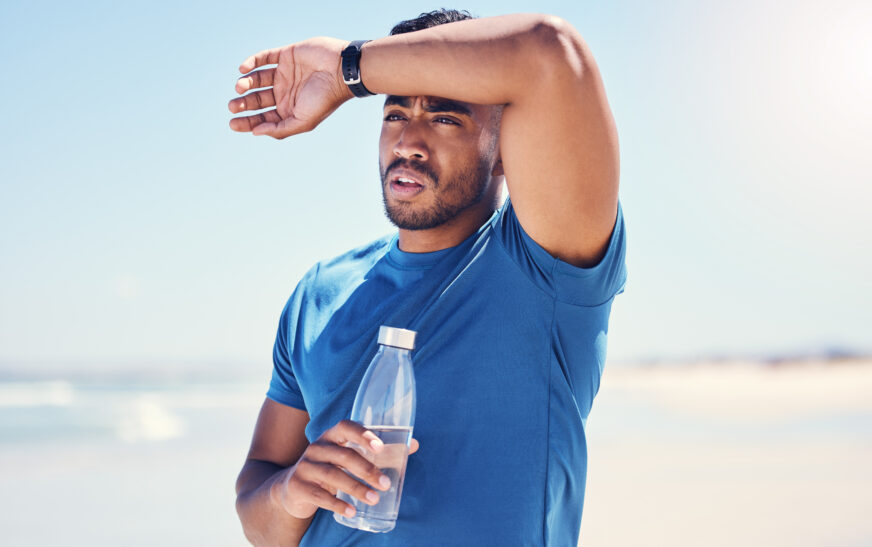
Water is vital for the overall functionality and good health of the body. A person who does not get adequate amounts of fluids on a regular basis increases his risk of suffering from various dehydration problems. For instance, dehydration is a common occurrence in people who participate in intense physical exercises or work in hot environments. Therefore, by incorporating simple steps into our daily routine, we can easily avoid dehydration problems.
Dehydration Problems
Dehydration is defined as the state where an individual suffers from a greater loss of fluid than intake. The consequences of dehydration can range from simple inconveniences like a bad headache to more dangerous conditions like kidney damage or heat strokes. The most important thing that must be done to avoid dehydration problems is recognizing the symptoms of dehydration, which includes:
– A dry mouth and lips
– Fatigue and lethargic behavior
– Frequent headaches and dizziness
– Dark yellow or colored urine
– Rapid heartbeat
Factors That Increase Dehydration Risks
Various factors may increase our risk of dehydration problems. They include:
– Participation in high-intensity physical activities
Engaging in high-intensity exercises leads to excessive sweating that increases our body’s water loss.
– Working in hot and humid environments
Hot environments expose us to greater dehydration risks due to increased water loss through excessive sweating.
– Certain medical conditions
Medical conditions such as kidney failure, diabetes, and heart diseases can raise dehydration risks due to various reasons including excess urination and fluid loss.
– Various kinds of medication
Some types of medications such as diuretics lead to increased fluid loss and dehydration.
– Old age
Older adults usually have weaker senses hence might find it difficult to detect symptoms of dehydration.
– Pregnant women and nursing mothers
Pregnant and nursing women suffer from increased fluid loss due to various reasons.
Hydration Strategies
There are various ways to prevent dehydration problems by adopting simple hydration strategies. Some of the strategies include:
– Drinking adequate amounts of water
It’s recommended that an individual should drink about 8 to 10 glasses of water each day.
– Urine output monitoring
Dark yellow-colored urine is a clear indication that an individual should increase his daily fluid intake.
– Limiting sugary drinks
Avoid sugary drinks including sodas and energy drinks since they contribute to dehydration.
– Intake of hydrating foods
Include fruits like melon and vegetables such as cucumbers and celery in your diet since they are sources of fluids.
– Eliminating caffeine and alcohol
Both caffeine and alcohol act as diuretics that cause excessive fluid loss.
How to Stay Hydrated When Participating in Exercises
Here are the basic tips to follow while participating in physical activities so as to stay hydrated:
– Drinking water before exercise
At least half an hour before exercising drink some water to ensure that your body is hydrated.
– Drinking during physical activities
When working out in hot environments regularly drink water to avoid dehydration problems.
– Monitoring urine color
Drinking too little during exercise causes darker yellow urine; in such case, drink more water.
– Drinking plenty of water
As we know, sugary drinks worsen dehydration; hence should be limited.
– Incorporation of electrolyte-rich drinks
Electrolyte rich drinks are helpful during intensive workouts.
Conclusion
In conclusion, drinking enough water daily helps our body perform effectively. By detecting dehydration problems and incorporating hydration strategies into our daily lives, it’s easy to avoid dehydration.