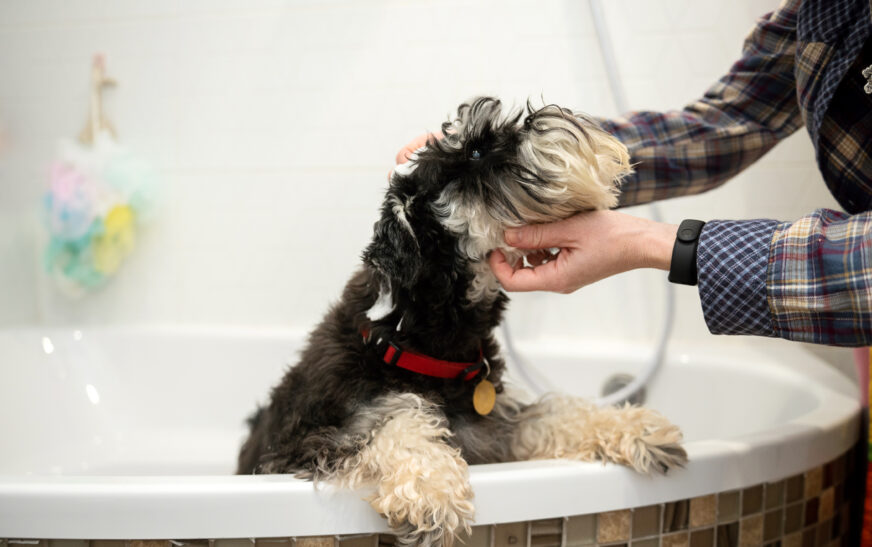

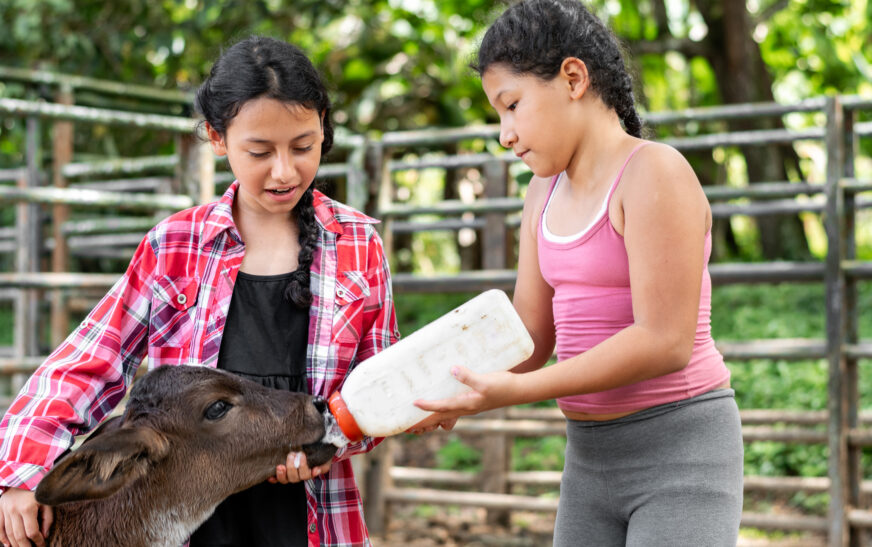
In some cases, there is a need to bottle-feed baby animals since they cannot feed themselves. Stray puppies, abandoned kittens, and newborn calves are just some examples of animals that require being bottle-fed until they learn how to get food independently. Thus, people should understand how to bottle-feed baby animals in order to provide them with appropriate care and save their lives. There are particular requirements that should be met and equipment that will be useful for providing this kind of care to little animals.
Right Bottle and Formula for Baby Animals
First, it is worth paying special attention to choosing the right equipment for bottle feeding since this process can be quite complicated and requires particular efforts. In addition, it is important to select the appropriate formula for baby animals. As for bottles, there is a variety of bottles specifically designed for baby animals, both glass and plastic. They come in several sizes, but it is crucial to select those that have a wide mouth. Moreover, a lid should be included in order to prevent spills and contamination. Besides, bottles should be convenient for cleaning.
As far as formula is concerned, it should be selected individually for each type of baby animal. Thus, in case of a kitten, one needs to purchase a formula designated as "kitten milk replacer". The same situation is with a puppy, which requires "puppy milk replacer". At the same time, when a calf needs bottle feeding, a person should buy a "calf milk replacer" formula. Human milk replacers are unsuitable for baby animals; hence, they should not be considered.
Preparation of a Bottle and Formula
It is evident that a bottle and formula need to be prepared in order to start feeding babies. First, it is crucial to wash hands properly. Then, it is recommended to wash bottles in warm soapy water, after which they need to be sterilized. It means that all utensils should be boiled for 5-10 minutes.
After preparation of bottles and utensils, it is possible to measure an appropriate amount of formula, depending on instructions. Then, a bottle needs to be filled with warmed formula. It can be warmed either in warm water or by keeping the bottle in warm water for some time.
Techniques of Feeding Baby Animals
One more issue to consider is a proper technique of feeding baby animals. To do this effectively, one needs to position a baby animal properly. Thus, a baby should be placed on its back or in a sitting position. It is recommended to hold a bottle at an angle, with the nipple pointing downwards. Then, one needs to pour formula carefully into an animal’s mouth.
Another step that needs to be taken is burping an animal after feeding. It can be done by patting it on the back or rubbing its back in circles. Moreover, a person needs to be attentive and patient during feeding as a baby animal may get nervous.
Feeding Schedule and Amount
A regular feeding schedule is very important as far as baby animals are concerned. Thus, kittens and puppies should be fed every three or four hours. Meanwhile, calves may be fed less often, i.e. once every six-eight hours. Another crucial point to remember is measuring an exact amount of formula in order to feed an animal appropriately.
Safety Precautions and Their Application
During the feeding of baby animals, one needs to consider numerous precautions in order to avoid potential problems. Firstly, it is important to wash hands before and after feeding baby animals. All bottles and other utensils should be cleaned and sterilized regularly.
Another important issue to keep in mind is monitoring a baby animal’s temperature. In case of hyperthermia and/or hypothermia, it may be fatal for an animal’s health. It is crucial to create a safe environment for feeding a baby animal.
Challenges Encountered While Feeding Babies and Their Resolution
While feeding baby animals, one may encounter numerous challenges, starting from the problem of regurgitation and ending with rejection of food and even vomiting. Hence, if a baby animal regurgitates the liquid, it should be provided with another formula or bottle or feeding schedule. In case a baby animal refuses feeding, warming up the formula or changing a nipple may resolve this issue.
Among others, diarrhea or constipation may happen while feeding baby animals. In order to resolve the problem, it is needed to change formula or feeding frequency.
Conclusion
As was mentioned above, proper care for baby animals implies bottle feeding in many cases. Therefore, there are particular issues to pay attention to when it comes to feeding such animals. It is necessary to choose the right equipment and formula, prepare it adequately, and maintain a strict schedule. Other things to consider are safety precautions and possible challenges to cope with.