
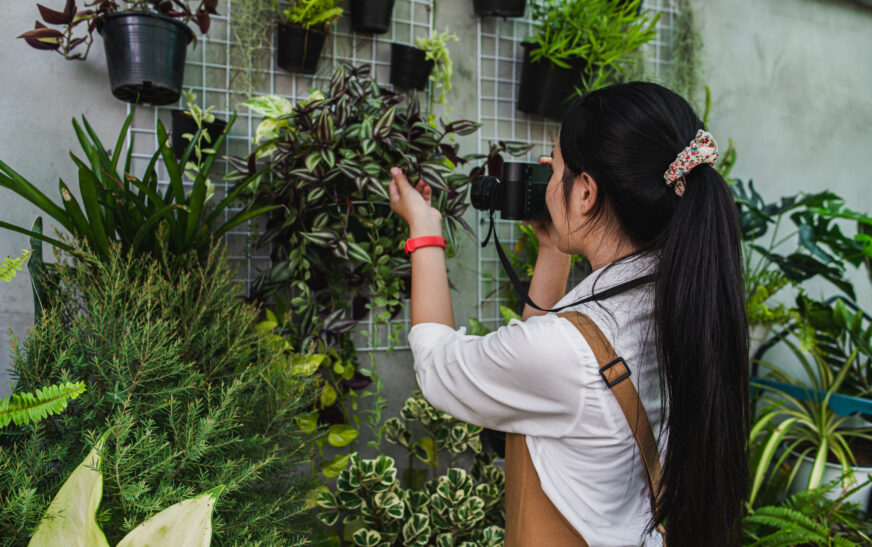
Vertical gardening is one of the modern ways of making homes greener. It is becoming increasingly popular for urban residents and people passionate about planting flowers and vegetables. Besides decorating your space, such gardens help clean the air and provide an opportunity to harvest some fresh vegetables. Creating a vertical garden requires basic knowledge and simple materials, which is why it is recommended by many specialists.
Finding the Right Place for a Garden
The first step in creating a vertical garden at home is finding a good location. Make sure that you find a place receiving enough sunlight. Most plants require at least four-six hours of light daily, which is why a southern wall or balcony could be a good place to locate your garden. Also, you should think about ease of access because you will need to water and care for it frequently.
Temperature and humidity levels also matter when you create a vertical garden. Ideally, you should maintain humidity of 40-60% and temperature between 18 and 24 degrees. In case your apartment does not correspond to the specified parameters, then you should buy a humidifier or other devices.
Selecting the Suitable Plants for Your Garden
A wide variety of plant types available is what intimidates many people. There are numerous factors that you should consider when deciding upon a species. They include light preferences, climate, and maintenance needs. To start, beginners can select such plants that are easy to cultivate as well as take care of. Herbs, leafy greens, and succulents could be a good idea.
There are numerous herb species that can be cultivated in vertical gardens. Basil, mint, parsley, and thyme are perfect examples. All of them are known for their aroma and unique tastes. On the other hand, leafy greens are another great choice. Lettuce, kale, and spinach are among popular options. They can be harvested within two-three weeks of cultivation.
Constructing a Structure for a Vertical Garden
After choosing plants and finding a suitable location, you should construct a structure. The structure will provide support to the plants and prevent their toppling. There are different structures, which you can use in your project. For example, trellises and arbors are great ways to make your garden not only functional but also visually appealing.
The structure should be sturdy enough to withstand the weight of the plants, the type of soil, and required amount of nutrients. This aspect should be considered when constructing the structure. Otherwise, you risk ending up with a structure unable to carry all those components.
Soil and Fertilizers for Vertical Gardens
Now it is necessary to fill your vertical garden with soil and fertilizers. You should select soil specifically developed for vertical gardens because ordinary soils will not work. Potting soil can serve as a basis. In addition, you should add organic material to improve soil structure and fertility. As for fertilizers, a balanced, water-soluble formula is recommended.
Watering Your Plants
Watering your plants in a vertical garden is crucial to their growth. At the same time, it is necessary to avoid overwatering, which might be detrimental to plants. You should try to water them thoroughly and let soil dry a bit after that. Drip irrigation and self-watering pots can be effective solutions. You should use them to water your plants properly.
Dealing with Problems
Vertical gardening can also be faced with several troubles. In this regard, it is important to know how to deal with pests and diseases. First of all, inspect plants for insects and use appropriate pest control solutions. Next, monitor the presence of signs of any diseases. Fungicides and bactericides can help in solving this problem.
In case your plants show symptoms of nutrient deficiency, then you should consider applying fertilizer. A balanced, water-soluble formula can help you solve the problem.
Decorating Your Vertical Garden
It would be reasonable to decorate your vertical garden once it begins to grow. Decorative pebbles, stones, or shells can be added for decoration. Mosses and lawn grass can serve to create a natural landscape.