

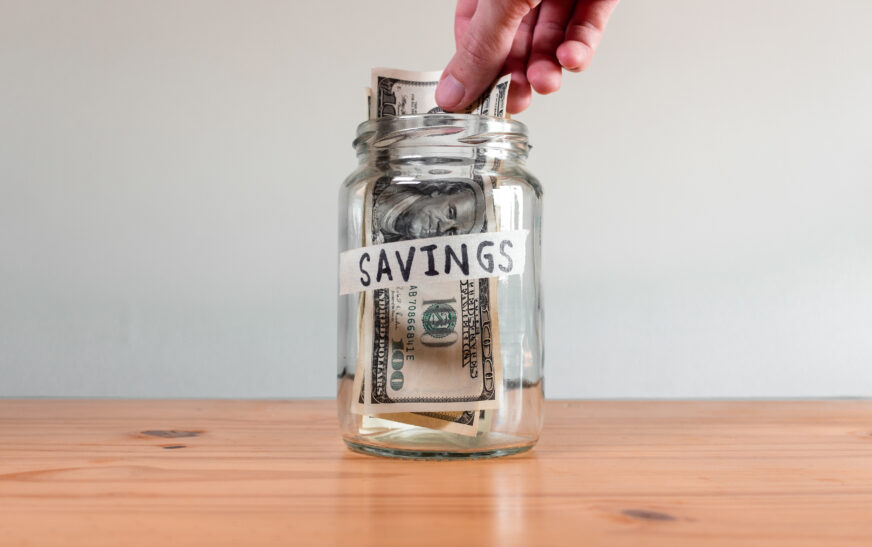
Among the most essential things that one must undertake to ensure future financial stability is the development of an emergency fund. The development of an emergency fund ensures protection of personal finances in the event of any financial problem or job loss. By developing an emergency fund, one will meet their basic needs, avoid debts, and maintain financial stability.
Strategies to Develop an Emergency Fund
It is vital to know how to develop an emergency fund. Developing an emergency fund involves considerable dedication and patience, and it is vital to possess adequate knowledge of personal financial priorities and goals. The following strategies can be considered helpful for the fastest development of an emergency fund.
Setting Financial Goals and Priorities
It is necessary to establish financial priorities and goals before undertaking the development of an emergency fund. One must assess their financial status and reduce unnecessary expenses. One can develop a proper budget, considering their income and expenses and allocating money for their needs. With a proper budget and financial priorities, one will be able to allocate money for an emergency fund properly.
Needs are prioritized in developing an emergency fund. One must understand which expenses are important and which are not to ensure financial stability. The expenses considered essential include expenses related to rent, utilities, food, and transportation costs. These expenses are necessary as no one can live without them. Discretionary spending does not contribute to the development of financial stability and can be reduced.
Calculating Emergency Fund Needs
The size of an emergency fund varies depending on various factors such as income level, expense level, debts, and financial goals. The rule of thumb states that three to six months’ worth of expense should be kept in the emergency fund. However, an individual can change the size of an emergency fund depending on their needs and priorities.
Saving more than six months’ worth of expenses in the emergency fund is recommended to some individuals. For example, the self-employed individuals may require more savings to ensure their financial security and stability. At the same time, the employees with steady jobs may be interested in saving less for their emergency fund.
Developing a Savings Plan
Creating an emergency fund requires consistent savings at different times. Therefore, it is crucial to develop a savings plan to accomplish a particular goal. An individual may want to determine how much money they need to accumulate in their emergency fund within a specific period, say six months.
The calculation of the amount of money that must be saved each month is not difficult. Moreover, it is easy to automate the process of transferring funds to the emergency account from the checking account. Such a strategy ensures that an individual saves enough money to create an emergency fund.
Using the 50/30/20 Budget Strategy
The 50/30/20 budget strategy can be used to allocate money towards savings for creating an emergency fund. It is stated that an individual must allocate half of their income for essential expenses, third part – for discretionary spending, and the remaining money for investment or savings.
The strategy of allocating finances according to the 50/30/20 rule is suitable for creating an emergency fund. The strategy will enable an individual to save a considerable share of their salary and ensure financial security.
Reducing Expenses and Increasing Income
An individual can accumulate more funds for their emergency fund by reducing expenses and increasing their salary. It is easy to make savings by reducing expenses that are non-essential. For example, one may stop receiving cable television services and make savings for their emergency fund.
Moreover, one can increase their salary to build an emergency fund as soon as possible. An individual may get another job to earn more or find an opportunity to earn money online. One can, for example, deliver groceries or become a freelance content writer to raise money for their financial buffer.
Using Windfalls to Build an Emergency Fund
Windfalls can help an individual to accumulate money for their emergency fund fast. It may be difficult to allocate a considerable part of one’s income to savings due to different expenses. However, it is advisable to benefit from windfalls by using them to make savings for an emergency fund.
For instance, an individual receives a lot of money by selling their property. Also, they can inherit some money from their relatives or receive a big tax refund. All windfalls can help to accumulate money for the financial buffer.
Avoiding Debts and Credit Card Interest
Debts and credit card interest payments prevent individuals from making necessary savings. It is advisable to maintain low credit card balances and avoid any debts. An individual may utilize their emergency savings to repay their debts and credit card debts. They can use cash instead of credit cards to avoid getting into more debts.
Additionally, an individual can apply for balance transfer programs and debts consolidation programs to minimize the interest accrued on the debts. This will ensure that the individual makes more savings for their emergency fund.
Conclusion and Call to Action
To conclude, an individual can build an emergency fund quickly by making consistent efforts and dedications. Using the strategies presented above, one can ensure financial stability and protection. It is advised that individuals begin by establishing financial priorities and goals before developing an emergency fund.