
Modern life makes us increasingly interiorized creatures who spend less time outdoors and more time indoors. Unfortunately, lack of interaction with the outdoors can result in developing stress, anxiety, and other health conditions. For this reason, creating a relaxing outdoor space is critical both for your emotional and physical well-being.
The Process of Creating an Outdoor Space
Creating a relaxing outdoor space is not an easy process. You have to take care of many aspects and features which can turn your garden or patio into an oasis from the noise and hustle of modern urban life. First, you should determine what type of space you would like to create: it can be contemporary or rustic. However, regardless of the style, always include elements of relaxation and serenity.
How to Plan Your Outdoor Space
Planning your outdoor space properly, you can significantly improve your emotional state and enhance your experience of interacting with the environment. Thus, you should pay attention to such details as:
– natural light – according to research, your garden should be exposed to sunlight;
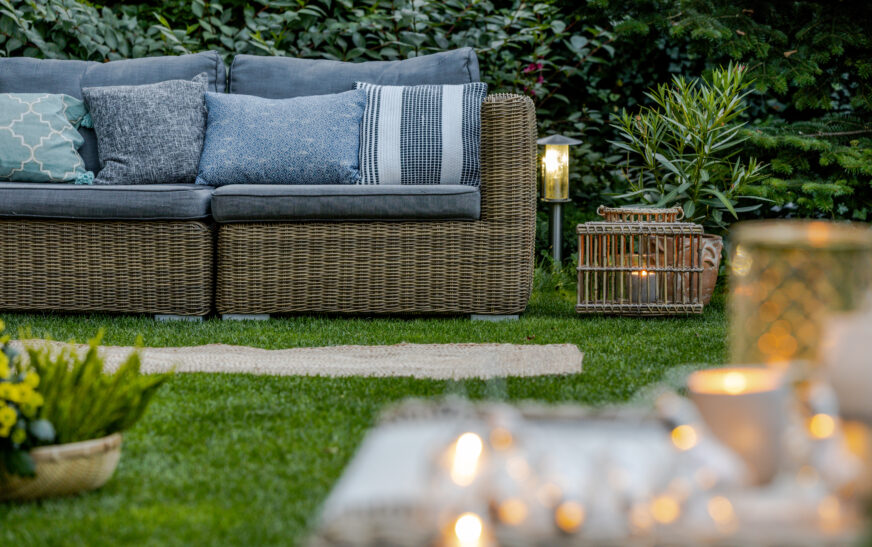
– comfortable seating – according to your budget, you can choose a section sofa, hammock, or swing chair, supplemented by cushions;
– water feature – depending on your preferences, you can opt for a fountain or pond with koi fish;
– sensory experience – to create a multi-sensorial space, you can install a fire pit in your garden or place some scented candles there.
While selecting plants which can decorate your garden or patio, remember about the calming impact they can have on you. Such flowers as lavender, chamomile, and peace lilies are great for promoting relaxation.
How to Create a Calming Color Scheme
Color scheme is a critical element which can greatly influence the ambiance of the space. In order to create a relaxing atmosphere, you should focus on those colors that can help you relax and feel more serene. The following colors can be used to create a calming ambiance:
– soft blues – blue color can evoke feelings of calmness and serenity; try using lighter blue shades such as light blue and sky blue;
– muted greens – since green color is often associated with nature, growth, and harmony, it can be used to promote calmness and relaxation;
– neutral tones – if you want to make your design sophisticated and balanced, try opting for beige and gray hues.
Incorporating Textiles and Patterns
As already mentioned, textiles and patterns are integral part of decorating any space. You can use natural material such as wicker, rattan, or reclaimed wood in the process of constructing furniture. You can also use pillows and rugs as textile elements in the process of decorating your garden.
Creating a Focal Point
A focal point can help create visual interest and attract visitors’ attention. Thus, a piece of décor that will catch people’s eyes can serve as a focal point of your garden. For example, you can create one using such elements as flower planter, sculptures, etc.
Lighting Your Outdoor Space
Proper lighting is another critical aspect you should consider while decorating your space. Various types of lighting such as lanterns or string lights will make your garden look cozy and appealing.
Bringing the Outdoors In
Bringing outdoors into your space refers to decorating your garden with natural elements like branches and stones.
Creating a Sense of Oasis
You can create a sense of oasis using such elements as hammocks or swing chairs.
Creating a Fire Pit or Fireplace
People highly appreciate fire pits and fireplaces because they create a feeling of coziness during cold months.
Conclusion
As you can see, creating a relaxing outdoor space is not that easy.