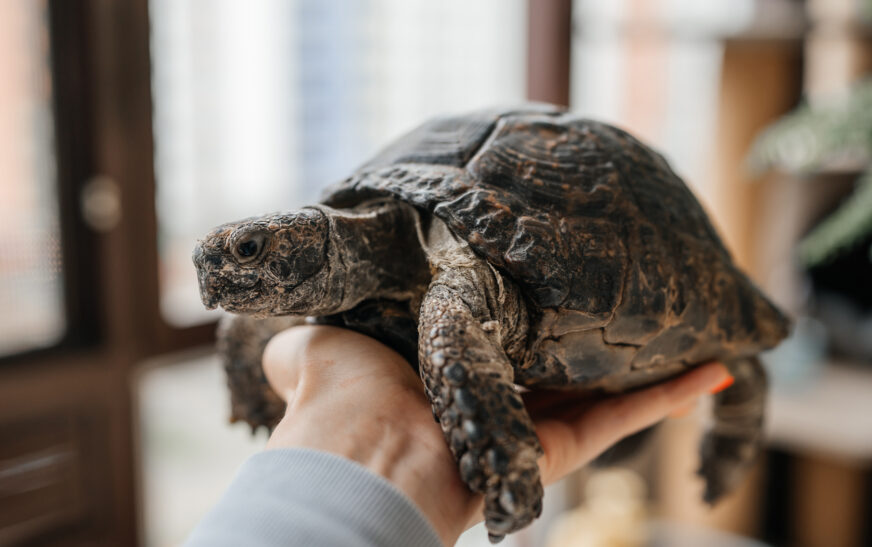

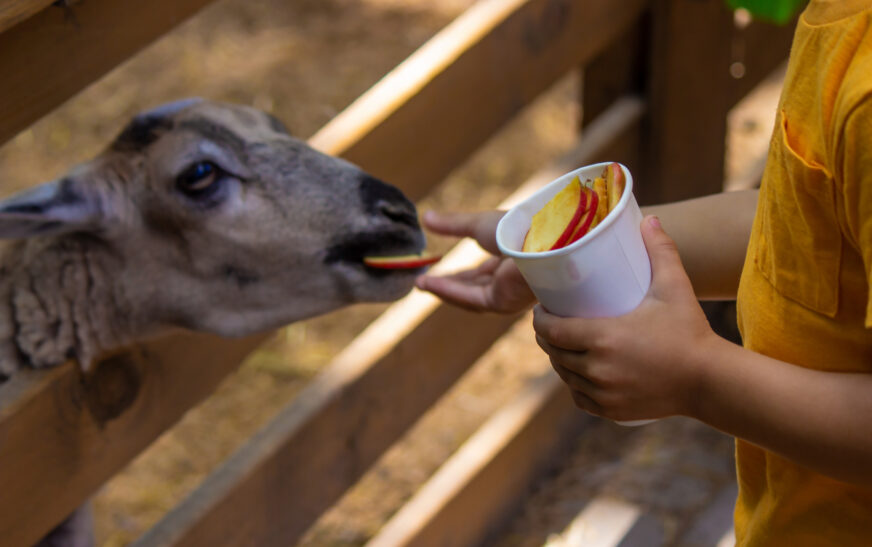
As mentioned above, exotic pets are quite unique animals; they provide their owners with unusual pleasure but at the same time require additional effort and knowledge regarding how to feed them correctly and safely. Indeed, there are many different pets: birds, reptiles, small mammals, amphibians – every group is distinct and needs some special approach. In case you have such an animal as a pet, it means that you have to know how to take care of it properly to make sure it lives and feels comfortable.
Understanding Your Exotic Pet’s Dietary Needs
When you start thinking about feeding your pet, first of all, you should define its particular needs in terms of food. Indeed, each kind of animals has its peculiarities in dietary requirements. For example, birds need much protein and calcium, whereas reptiles require a balance of vitamins and minerals. In any case, you should start your work on creating feeding schedule with understanding what your pet wants to eat.
Moreover, some animals have special requirements because of the conditions of their natural habitat or evolution. For instance, mammals like hedgehogs and sugar gliders need a diet full of protein as they are carnivores. On the contrary, guinea pigs and rabbits are herbivorous animals so their diet should include fiber. Taking this into consideration, you can develop an appropriate feeding system.
Researching and Choosing the Right Food
The next stage is searching information about commercial and fresh diets and choosing the type of food that meets the requirements of your pet. You can find commercial diets for pets of different kinds; however, it does not mean that your animal will eat them. There are also many different ways to give your pet something fresh; this type of diet requires more efforts and money, though.
It is also necessary to mention live foods such as crickets and mealworms as they are quite popular among owners of exotic pets. They serve as snacks and require special storage and keeping in order not to allow them to escape from the cage.
Preparing and Serving Food
After choosing the most appropriate way of feeding your pet, you should think about food storage and serving. As far as fresh food is concerned, it requires a proper storing to avoid contamination; moreover, frozen foods should be thoroughly thawed and supplemented with some additional elements. The last point concerns live food; it should be kept and handled with certain care.
Serving food is also rather important. Each pet has its appetites and preferences; therefore, you should pay attention to their behavior and try to satisfy their demands as well as possible.
Special Considerations for Unique Animals
In addition, when dealing with certain unique animals, it is necessary to pay additional attention to feeding procedures. For instance, reptiles and amphibians require a high level of calcium and vitamin D3 in their food as it allows avoiding metabolic bone disease. Birds need protein and fiber-rich diet as they have a high metabolism. Moreover, small mammals like sugar gliders and hedgehogs need high-protein and fat food as well as they are energetic animals.
Thus, it is highly recommended to discuss their feeding issues with the veterinarian or experienced breeder so that your pet would receive adequate nutrition.
Feeding on the Go
It is clear that when you keep an exotic animal as your pet, it becomes difficult to take care of it, especially when you do not have enough time for that. Therefore, in order to simplify feeding process and make sure that your pet will be fed even when you are absent, you should use portable feeder systems and self-feeders that can feed the pet automatically.
At the same time, you should keep in mind your pet’s peculiarities and needs while deciding how often you need to supply food and whether you should change anything in this regard.
Safety Precautions
Finally, it is vital to pay attention to certain safety measures concerning feeding your pet. First, you should think about proper storage conditions of food as well as equipment to make sure that they are clean and dry. Moreover, while serving food, remember that you should wear gloves, and all the dishes should be properly washed and disinfected.
Conclusion
To sum up, we can conclude that feeding your exotic pet safely implies understanding of its special dietary needs, researching and choosing food types, serving food, paying attention to special peculiarities of certain animals, using certain methods of feeding on the go, and observing safety precautions. Following all the above-mentioned measures, you can develop an efficient feeding system.
If you are inexperienced in feeding exotic pets, then you should spend some time and learn how to do it properly. Moreover, do not hesitate to turn for professional assistance when necessary