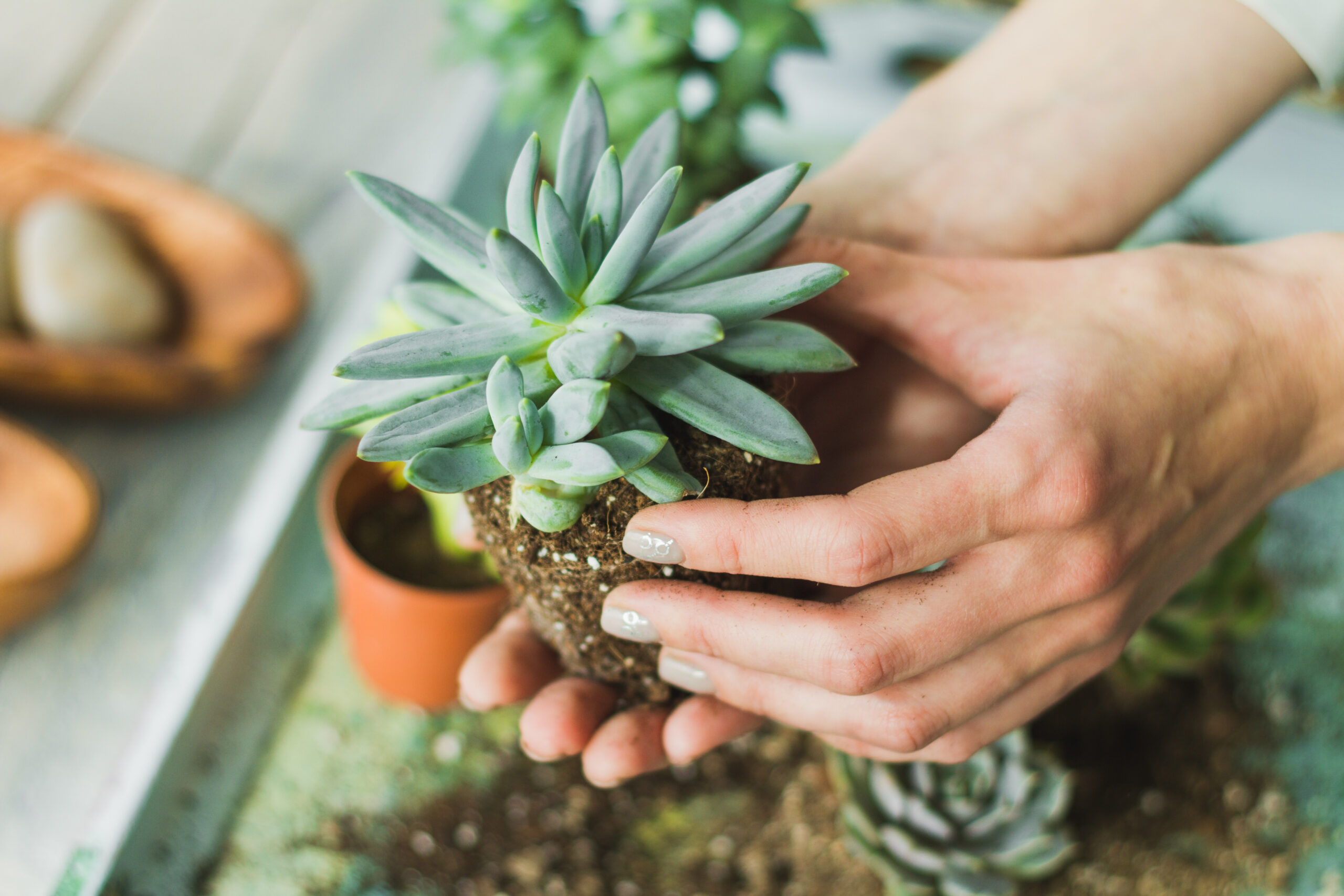


In the course of the year and depending on what season it is, one might encounter many different plants which could flourish well in their gardens. If people have been gardening before, then they know that growing seasonal plants is quite enjoyable and easy. However, there are some things that should be kept in mind when trying to cultivate particular species of plants. These would be their requirements and demands throughout the whole process.
Selecting Suitable Seasonal Plants
It is important to take into account several factors, such as climatic conditions, types of soils, as well as the amount of sunlight before choosing what to grow. Some plants might be appropriate for one season only; however, there are some that can prosper well under various climatic conditions. Moreover, one should pay particular attention to choosing plants based on the amount of sunlight in their garden because some plants love direct sunlight, while others require shading.
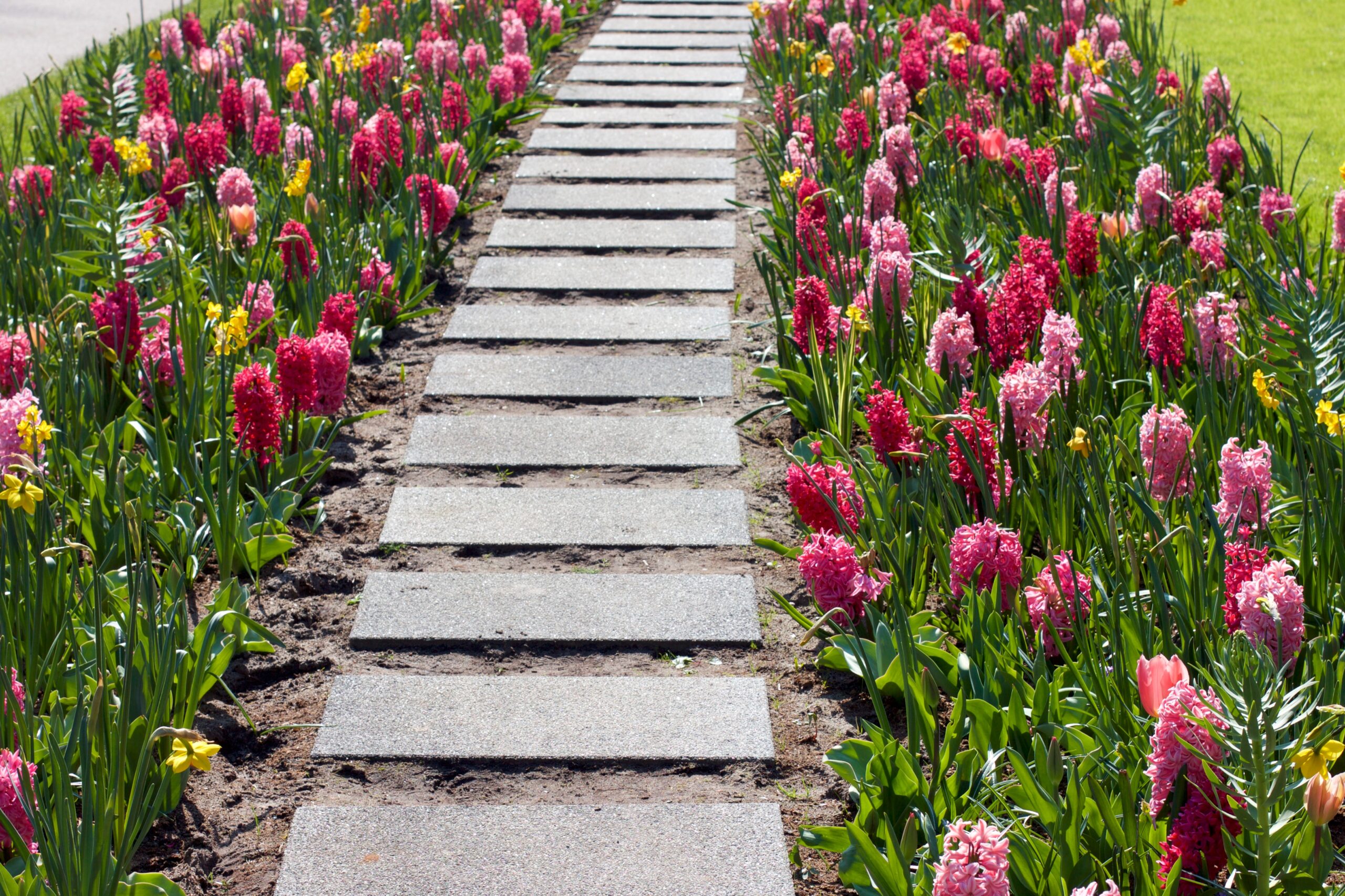
Popular choices include spring bulbs, such as tulips and daffodils, which blossom in the early spring. They are great options to bring life and vivid colors to the garden. Moreover, summer flowers like sunflowers and zinnias are great additions to any garden as well. As for autumn, people tend to opt for asters and sedum due to their unique look.
Soil Preparation
Another step to take when cultivating seasonal plants is the preparation of the soil itself. This includes the testing of the soil acidity, the addition of organic materials, as well as the loosening of the ground. It is vital for the growth of plants to have appropriate pH level in the soil. The most desirable levels range from 6.0 to 7.0, since these values show that the soil is slightly acidic or neutral.
Organic materials, such as compost and manure, can be added to the soil for improving its structure. What is more, these components provide the soil with the necessary nutrients that some plants need. Finally, the ground should be loosened to a depth of 8-10 inches in order to allow the development of the plant roots.
Planting Seasonal Plants
After the soil has been prepared, one needs to start planting. In most cases, the planting process varies depending on what season the plants belong to. Spring bulbs have to be planted in the autumn 6-8 weeks before the frost. It is done to allow them to settle in the ground. On the contrary, summer plants have to be planted in the early spring and summer.
What is more, one has to pay special attention to autumn plants which should be planted during the spring or summer period. These plants will bloom during the last weeks of the growing period.
Watering and Caring for Seasonal Plants
One of the main stages of caring for seasonal plants is watering. However, not all species need to be watered frequently. While vegetables and fruits need watering once or twice a week, some plants can be left without watering for much longer periods of time. Nevertheless, it is important to provide these species with sufficient amount of water as well. Moreover, some plants might need fertilization in order to develop properly.
Apart from watering, people should consider providing plants with additional support in order to grow properly. Stakes or trellises can be used to protect them from external factors.
Problems that Might Occur
Despite efforts made by people when trying to cultivate plants, some problems may still occur. They could relate to the appearance of different pests and diseases that may affect the plants. Such pests as aphids, whiteflies, and nematodes pose a serious threat to plants because they attack both leaves and stems. As for the diseases, it would be reasonable to mention fungal problems as well. The most common examples are powdery mildew and root rot.
All in all, these problems should be tackled immediately. Organic and chemical pesticides or fungicides can be employed in order to eliminate unwanted guests. Additionally, crop rotation and companion planting might prove useful as well. People can plant marigolds next to tomatoes in order to deter nematodes.
Seasonal Plant Care Tips
Here are several tips for the care of seasonal plants:
* Deadheading flowers;
* Pruning plants;
* Mulching;
* Monitoring for pests and diseases;
* Fertilizing plants.