

The idea of growing vegetables in small places is not something new. It has been popular for many years now. There are some effective methods that are used for growing vegetables on a patio, balcony, terrace, or anywhere else. Using the correct techniques and strategies can help in getting a good yield from small places too. Anyone can get started easily by following the guidelines mentioned below.
Choosing the Best Vegetables for Growing on a Small Area
All the vegetables are not appropriate for growing on small places due to a lack of space. However, there are some vegetables that do not require much space. In addition to that, there are some that produce low yield. These are best suited for cultivation on small areas. So, the selection of vegetables is very important while choosing for growing them in a confined place.
While growing vegetables on a small area, it is crucial to check their requirements first. Some vegetables require full sunlight and warmth for growing whereas others can survive in shade and cooler weather. The requirements of these plants vary according to their nature. Therefore, one should select plants according to the location he/she wants to grow them.
Growing Vegetables Using Containers
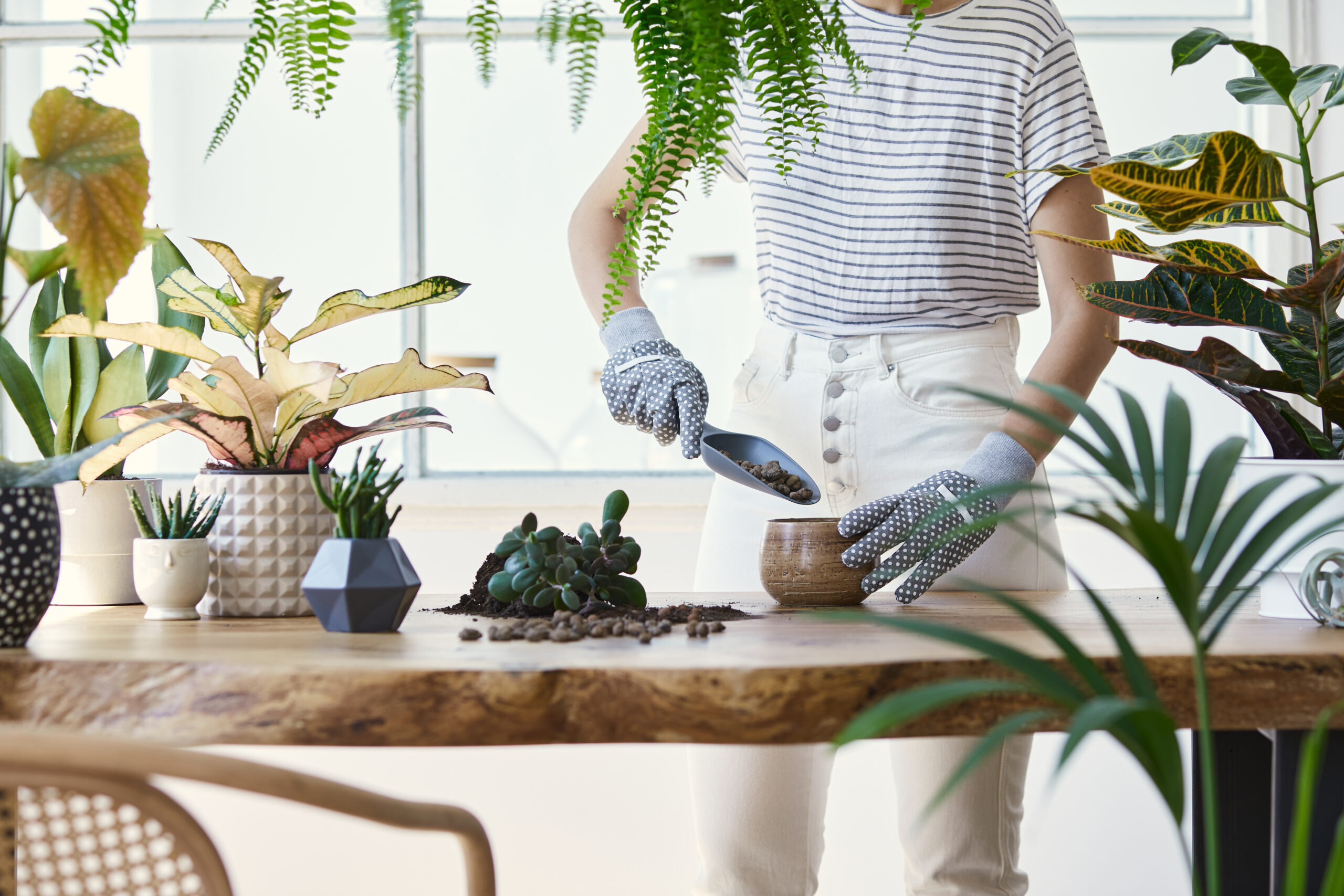
Growing vegetables in containers is a good way of cultivation. They can be grown in any place without occupying much space. They are beneficial because anyone can get maximum produce from his/her small space through growing vegetables in pots. Selecting large and deep pots is necessary for growing plants. These containers should have adequate drainage holes at the bottom.
These containers can be easily placed anywhere as per the requirement. If the pots need to be placed on the patio or balcony, they can be moved whenever needed. The pots can be shifted to a sunny or shady place depending on the needs of the plants inside them.
Using the Vertical System for Plant Growth
This method of cultivation saves a lot of space for growing plants. One of the main aspects of vertical gardening is that the plants are trained to grow vertically. Thus, using a trellis can help in saving space and growing various vegetables at the same time. The yield can be increased by growing plants in the vertical manner.
A suitable trellis is needed for growing vines on it. After getting the trellis, the next thing is to find out a place that gets sunlight and has good drainage for growing. Then, the seeds for these plants can be sown on the base of the trellis. Thus, the plants will grow vertically upward on the trellis.
Practicing Companion Planting for Growing Vegetables
Gardening experts recommend growing plants together because of various benefits of this practice. It allows growers to use less land for cultivating various types of vegetables. In addition to that, they help each other in growth and development. This type of planting can result in a healthier plant life as compared to growing plants separately.
Marigold can be planted together with tomatoes for avoiding pest attacks. Basil can be used with lettuce for getting rid of harmful insects from the plant. The plants can grow well together as companions and can be harvested easily.
Importance of Soil Health and Fertilizer Use for Plants
Healthy plants cannot be grown on unhealthy soil for sure. Soil plays a major role in providing nutrition to the plants for their development. In this case, high-quality soil should be used for getting better produce from plants. In addition to that, proper fertilization is essential to grow healthy plants.
Use of fertilizers plays a major role in the growth of plants. Proper fertilization is essential to ensure the availability of sufficient nutrition for growing plants. Balanced fertilizers should be used for getting a good yield from these plants. Other substances can also be added to increase the fertility of the soil.
Dealing with Pests and Diseases of Vegetable Plants
The problems faced during growing plants on a small area are mostly related to pests and diseases. These pests and insects can attack the plants and affect their growth badly. Thus, the growers need to take preventive measures against pests and diseases. There are some biological and physical approaches that can be followed to protect the plants.
Use of row cover can stop the pest from approaching the plants for eating them. Apart from that, other approaches can be adopted for controlling them. Neem oil is an example of an insecticide that helps in killing the pests. Regular cleaning can prevent diseases in plants. Thus, growers can get rid of these pests and diseases from their plants.
Techniques for Harvesting and Preserving Vegetables
Harvesting and preserving are important processes for any farmer growing vegetables. This process needs to be done carefully because it is associated with the future produce of the plants. Harvesting is done for encouraging continuous growth in plants. On the other hand, preserving ensures the availability of vegetables after harvest season.
There are several preservation techniques available for preserving vegetables. The common methods include canning, freezing, and pickling of vegetables. The harvest is done very carefully by the growers to avoid any problem for the plants. Thus, this is a very important activity to follow while growing vegetables on small areas.