
It is only natural to want to offer help whenever one encounters an injured animal. However, people should be careful not to do more harm to the injured animal. The best way to help any injured animal is by considering both the animal and their safety as well. Understanding how to help an injured animal will ensure the proper handling of the situation.
Identifying Injured Animals
Injured animals could be found everywhere. Some ways to identify whether an animal is injured include the following:
* Visible injuries on the body
* Bleeding
* Trouble walking and standing
* Making strange sounds, including whining and whimpering
* Avoiding contact with other animals
* Unusual activity such as pacing around
It is imperative to note that injured animals can hurt themselves and others even further by getting into a fight. Therefore, when you encounter an injured animal, you need to observe what is happening and avoid causing more harm.
Assessing the Situation
Once you have identified an injured animal, assessing the situation helps one determine the best way to handle the animal. When you encounter the injured animal, some factors to consider include:
* Species of the animal (wildlife, stray, or pet)
* The type and extent of injuries
* Hazards surrounding the area
* Behavior of the animal
One must understand the context of the situation so that they can effectively help the injured animal.
Safety Precautions
It is imperative to understand that injured animals are likely scared. One might easily hurt themselves when trying to help a scared animal. For instance, one might be attacked in an attempt to rescue an injured wild animal. Safety precautionary measures in such instances include:
* Keep away from the animal
* Use protective gear to help the animal
* Avoid staring directly into the eyes of the injured animal to prevent them from feeling scared and attacking you
* Be aware of your surroundings to look for escape routes.
When helping an injured animal, keep in mind that even if the animal seems docile at first, they can quickly get aggressive in a bid to defend themselves or their young ones.
How to Handle Injured Animals
If one finds themselves in the position to help an injured animal, they should ensure that they do not make things worse for the animal:
* Move slowly towards the animal to give them peace
* Pick up the injured animal using a blanket or towel to avoid putting pressure on the animal
* Do not handle the animal unnecessarily, or move it too much
* Help the animal relax to reduce the possibility of the injuries being made worse
First Aid Treatment for Injured Animals
It is good practice for people to learn basic skills of treating animals in case they encounter any. If one has to provide medical attention to an injured animal, the first steps to take include:
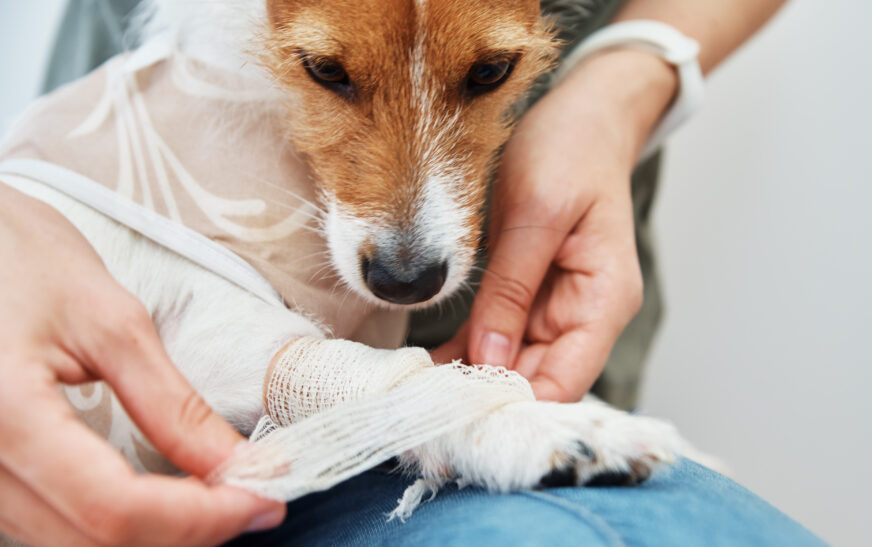
* Cleaning and stabilizing any wound
* Applying gentle pressure on the wound if there is bleeding
* Monitoring breathing and heart rate to determine if any life-threatening condition
While the above first aid techniques will help an injured animal until they receive professional treatment, one should remember that only qualified personnel can offer quality care.
Seeking Professional Help
In almost all situations involving an injured animal, seeking help from a specialist is advisable. This will ensure that the injured animal receives the necessary treatment as early as possible. To this end, one should:
* Seek help from a nearby shelter, animal welfare organization, or vet center
* Contact the nearest vet clinic to provide first aid to the animal
* Consult with a specialist on how to safely transport the injured animal
Seeking professional help for an injured animal will guarantee the best treatment for the injured animal. It will also reduce the likelihood of getting hurt or killed when handling the animal.
Long-Term Care of Injured Animals
After receiving professional help for an injured animal, it is important for someone to take responsibility for them. Some of the ways to offer long-term care to the injured animal include:
* Following advice by the vet regarding the animal’s treatment
* Providing proper nutrition to the injured animal
* Giving the animal enough space to exercise
Conclusion
One needs to learn how to properly help injured animals without hurting oneself. Such knowledge will ensure that the animal is safe while making it easier to handle them.