

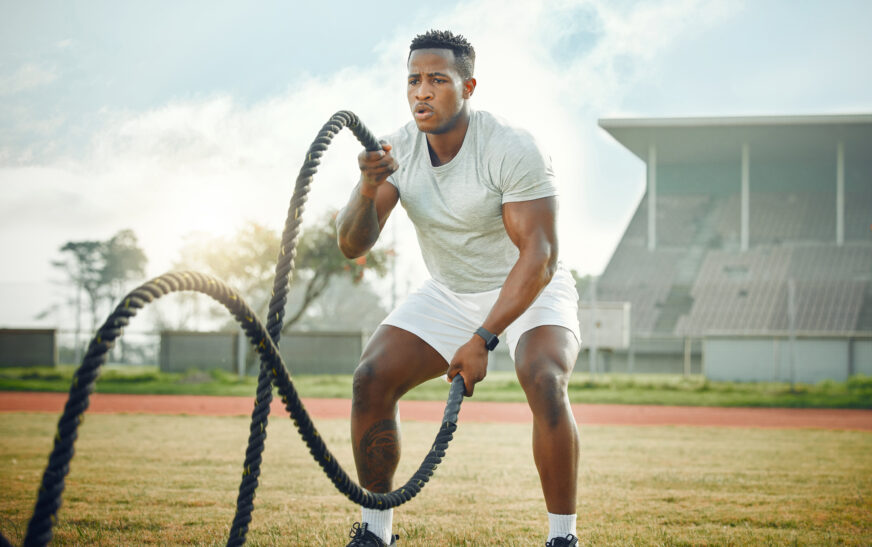
Physical endurance refers to an ability to perform any task or engage in an activity without becoming fatigued. Endurance is essential in enabling individuals to take up any activity with ease, accomplish their goals and maintain stamina in all that they do. With time, an individual may lose his/her physical endurance and therefore not be able to do simple things. Nevertheless, there are several methods one can use to improve endurance.
Regular Exercise Regular exercise is critical in helping one enhance endurance since the body will adapt in a manner that facilitates delivery of sufficient oxygen and nutrients to the muscles. Consequently, an individual will gain strength, flexibility, and cardiovascular health, and this makes it easier for him/her to perform tasks easily. Individuals should begin by engaging in short exercises for about ten minutes per session for three days in a week. After a few sessions, the duration should be increased gradually to twenty minutes, thirty minutes, and so forth until the desired duration is achieved.
Besides exercise duration, the intensity should also be increased in order to challenge the body and thus facilitate development of physical endurance. Strength training exercises that help in building muscle mass are very beneficial for enhancing endurance. Examples of these exercises include squats, lunges, and pushups. Moreover, the duration and intensity should always be within limits to prevent injury and exhaustion.
Nutrition and Hydration In addition to regular exercise, proper nutrition and hydration are also critical for improvement of physical endurance. Consumption of nutritious foods is essential in giving the body enough fuel for performance of any task. Therefore, it is recommended that individuals eat whole foods such as fresh vegetables, fruits, whole grains, and protein sources. The consumption of food of different colors can provide various types of minerals and vitamins.
Hydration also plays a significant role in ensuring the body has enough fluid to function optimally. Individuals should aim at drinking at least 8 cups of water daily. Adequate fluids enable the body to flush toxins, hydrate cells and tissues, and regulate body temperature among others. Therefore, individuals need to drink plenty of water in a day. Moreover, intake of sugary drinks and caffeinated beverages should be avoided since they can cause dehydration.
Adequate Sleep and Recovery It is important for individuals to rest properly since resting enables the body to recover and regain its strength after engagement in physical activities. The recovery process involves restoration and development of muscle tissues, replacement of lost energy, and adaptation to physical activities that one had engaged in. An individual should try as much as possible to obtain at least 7-9 hours of sleep in a day.
Moreover, individuals should find some time to engage in activities that facilitate recovery such as stretching, foam rolling, and taking warm baths. These activities help in reducing muscle soreness, improving flexibility, promoting relaxation and hence improving the quality of sleep among others. Recovery is equally important to exercise when it comes to boosting endurance.
Reducing Stress To ensure that physical endurance is enhanced effectively, stress should be reduced since stress may affect the amount of cortisol in the body leading to fatigue and anxiety. Some people also lose motivation when stressed, which may hamper the performance of any physical activity aimed at boosting physical endurance. Stress management techniques like yoga, deep breathing, and meditation may reduce levels of stress significantly.
Besides yoga and other stress-reducing practices, individuals may also choose self-care techniques to relax and reduce stress. Listening to favorite music, having some personal time to read or talk to a friend are among common self-care techniques. Such practices can go a long way in helping reduce stress and hence improve physical endurance.
Progressive Overload In enhancing physical endurance, one should subject himself/herself to some sort of progressive overload, which involves gradual increasing of physical activity. As one becomes used to exercise, he/she should consider adding some resistance either in terms of increasing duration, intensity, or weight in order to create room for development of endurance.
Examples of progressive overload include adding additional resistance bands while doing bodyweight squats, doing interval training or including weight lifting in one’s training programs. Moreover, one should be careful while considering to increase the intensity or resistance.
Conclusion Improving physical endurance is very easy although it requires time and patience. Consistent engagement in regular exercise, proper nutrition, and hydration, adequate sleep and recovery, reducing stress and engaging in progressive overload can significantly increase physical endurance.