
We live in the age of environmental awareness when we all try to reduce our carbon footprint and save energy. This becomes even more necessary nowadays due to the constantly growing energy prices and our struggle to find more eco-friendly ways to conduct ourselves. If you want to save your household expenses and help our planet, read our tips about how to make your home more energy-efficient.
Assessing the Energy Efficiency Level of Your Home
The first thing you have to do before starting your efforts is to assess the current energy efficiency level of your house. You can easily identify any possible gaps or outdated elements that might be leading to high energy bills and excessive energy losses. You can use some of the available resources or conduct the process on your own.
If you cannot afford or do not have time to pay an auditor, you can use special do-it-yourself kits that allow assessing whether your home is using energy resources efficiently. The information received after such an analysis will help you understand what kind of changes should be introduced to make your home more energy-efficient.
Making Air Leaks Sealed
Air leaks are one of the biggest reasons for energy losses. Gaps around windows, doors, and electrical outlets may cause additional spending on maintaining optimal temperatures inside your house. Therefore, you have to seal all of the possible gaps in order to increase energy efficiency.
In addition to applying caulk to all gaps in your home, you may use weatherstripping materials to achieve better results. Door sweeps and threshold seals will be a good solution in case of gaps on your doors and entrances. Finally, you should consider replacing traditional windows with energy-efficient ones.
Getting Rid of Outdated Appliances
Old refrigerators, air conditioning systems, washing machines, and other household appliances tend to consume too much energy and lead to unnecessary expenses. However, you will manage to reduce your spending on energy and get some benefits in return if you decide to replace the old units with new energy-efficient ones.
There are several things you should keep in mind when buying energy-efficient products. Firstly, it is important to find a product that has the ENERGY STAR label, as the manufacturer has proven that it meets the standards proposed by the US Environmental Protection Agency. In addition to getting an appliance that is recognized as being efficient, you can buy those that are ENERGY STAR certified. This certification will help you save even more energy.
You can also choose an energy-efficient unit by analyzing the Energy Guide label attached to the appliance or by calculating the energy efficiency ratings expressed in watts or kilowatts. It is also necessary to focus on purchasing appliances equipped with automatic shut-off systems.
Introducing Smart Home Systems and Automation Technologies
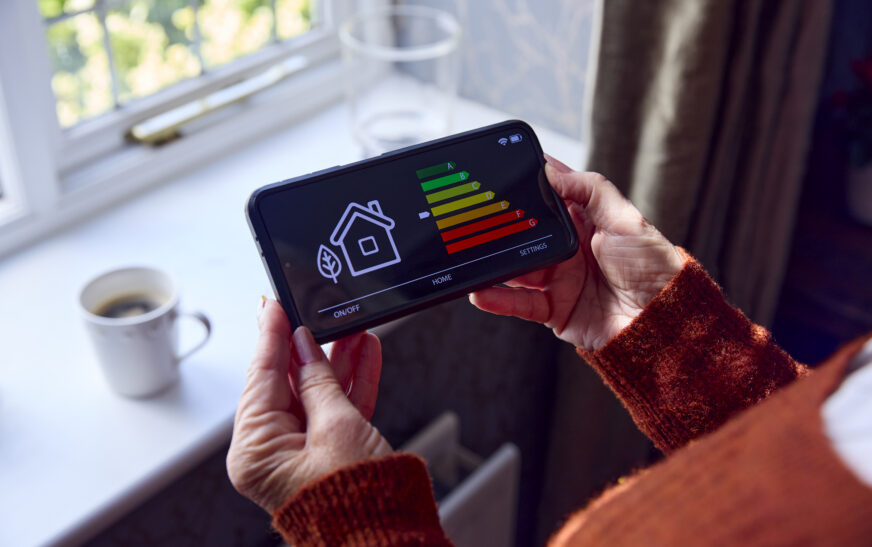
A huge variety of different appliances can help you increase the energy efficiency of your home without spending too much money. For instance, smart thermostats will automatically manage your HVAC system based on your schedule, and you will no longer waste electricity on unnecessary activities.
In addition, you can use some smart devices to track the energy consumption in your household, turn off electronic devices that are not in use, and control light switches. Smart plugs and smart lights will help you reduce electricity expenses in this way.
Using Smart Home Systems and Devices
There are numerous gadgets that will let you achieve the required results regarding the energy efficiency of your home. When it comes to thermostats, you can use Ecobee or Nest, for example. As for smart plugs, TP-Link, and Belkin will be perfect for you to manage your appliances and minimize electricity waste.
Philips Hue is also an excellent choice for people who prefer to save energy on lighting. The product allows reducing costs and providing adequate lighting at the same time.
Opting for Energy-Efficient Bulbs
One of the most effective steps that you can take in order to increase the energy efficiency of your home is replacing traditional bulbs with energy-efficient versions. LED or CFL bulbs consume significantly less energy and last 25 times longer than regular lamps. Therefore, they provide additional benefits along with saving energy.
Apart from finding energy-efficient light bulbs, you may pay attention to the ENERGY STAR label and purchase them. Such bulbs will help you save even more resources as they have passed all necessary tests and proven to be highly energy-efficient. It is also possible to install dimmable lights to be able to regulate light consumption.
Improving Insulation and Weatherizing Your Home
Both these aspects play an extremely important role as they significantly affect the overall efficiency. Proper insulation will help reduce heat loss and improve conditions inside. As for weatherization, it means sealing your house and eliminating possible gaps or cracks that cause energy losses. Here are some useful tips you should implement.
To improve insulation, you will need to apply special materials that will ensure efficient operation of your HVAC system. Moreover, they should be installed in your attic, walls, floors, windows, and doors to reduce energy consumption to the minimum. As for weatherization, it presupposes sealing any gaps or cracks around windows, doors, and electrical outlets.
Applying Other Simple Solutions
The list above includes some of the most common and effective solutions for making your home more energy-efficient. In addition to these actions, you may use the following simple and affordable measures:
* Power strips that will help you turn off electronics while they are not being used
* Energy-efficient windows that prevent any heat from leaking outside
* Programmable thermostat that can regulate temperatures and work according to your schedule
* Ceiling fans that consume less energy than air conditioners
* Insulation for your water heater
* Dehumidifiers to maintain proper humidity in the room