

If there is something that causes owners distress when they see it happen to their pets, it is surely parasitic infection. Fleas, heartworms, ticks, or hookworms – all of these creatures can bring lots of trouble not only to animals themselves but to their owners as well. However, protecting our beloved pets is quite simple and possible as long as we understand which parasites threaten our animals’ life and health.
Types of Common Pet Parasites
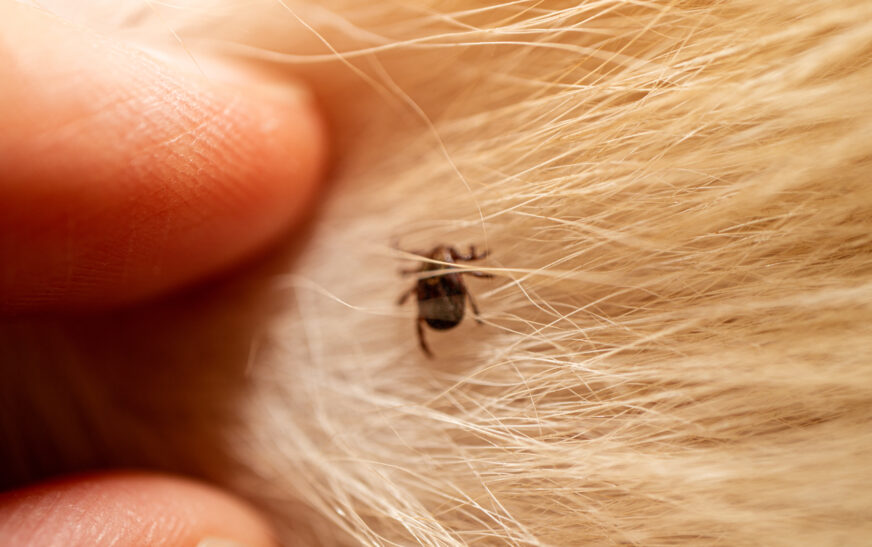
There are different types of parasites that can infect our pets depending on their body type, the way they move, and their size. First, we need to pay attention to fleas – tiny, flat insects that can infest almost any mammal or bird. Fleas eat mammals’ and birds’ blood, so they bring about different troubles, starting with strong itching, and ending with severe allergic reactions and diseases, such as typhus or even tapeworms. Second, we have ticks. They are somewhat larger and segmented than fleas; besides, ticks can infest mammals, birds, and reptiles. Among the main dangers posed by ticks, one needs to mention the transmission of such severe diseases as Lyme disease, Rocky Mountain spotted fever, and anaplasmosis.
Then, there are so-called heartworms. In other words, Dirofilaria immitis are thin long worms that can inhabit dogs’ and cats’ heart. Mosquitoes serve as vectors that can transfer this parasite to other dogs. Heartworms can cause a variety of health problems, from heart failure and lung disease to death. Finally, we should discuss hookworms. Their scientific name is Ancylostoma caninum; their size makes it possible for them to get into animals’ intestines and cause anemia, weight loss, and even death if left untreated.
Parasite Infestation Prevention Measures
There are a number of measures that should be undertaken to protect our pets from parasite infestations. Here are some expert tips that will help us achieve this goal.
Regular grooming is one of the most efficient means of protecting our pets from parasite infections. We should regularly brush and wash our animals to get rid of extra hair and detect the presence of fleas, ticks, or mites.
The use of special parasite preventatives. This measure involves applying various topical treatments, oral medications, or even injectable medicines. There are many brands of parasite preventatives that can be successfully used against various types of parasites, including those listed above.
Creating a safe environment. One should make sure that the environment where his or her pet lives is free from possible sources of infection, such as garbage or old furniture. Diatomaceous earth or other natural repellents are highly recommended in this case.
Performing regular veterinary check-ups to make sure that parasites have not infested an animal.
Identifying Parasite Infestations in Pets
It may sometimes be really hard to identify parasite infestations, because they do not always manifest themselves immediately. However, here are some signs that indicate that our animal suffers from parasite infestations.
Flea and tick infestations can lead to intense itching, scratching, and biting. Therefore, we need to search for the following signs: fleas or flea dirt, tick bites, and skin irritation.
Heartworm infestations often result in coughing, heart failure, or even difficulty breathing. The only way to diagnose heartworms is performing specific tests that can be carried out by veterinarians.
Hookworm infestations often lead to such symptoms as vomiting, diarrhea, and weight loss. We can diagnose their presence using some laboratory tests.
Treatments
Treating parasites in pets might be rather complicated, but still possible. Here are some tips from experts in this area that can help us deal with parasites.
We should apply certain medications and other remedies that are able to kill parasites or stop them from infecting animals. Some of the medications include anthelmintics, antiparasitics, or antibiotics.
Surgical interventions and hospitalizations are sometimes required to cure an animal that has severe parasites.
Certain dietary changes may become needed for curing certain types of parasites. It should include consuming a balanced amount of vitamins and minerals.
Conclusion
Nowadays, it is extremely important to protect our pets from parasitic infection. If we know what parasites are dangerous for animals’ health and ways to identify and prevent them, we can make sure that we protect our friends effectively.