
The removal of tough stains from furniture could be an unpleasant experience for most people. The task requires proper knowledge of the techniques and methods required. In addition, different cleaning solutions and techniques should be used depending on the furniture material. Nevertheless, this article provides the reader with a comprehensive guide to removing tough stains from furniture. The guide entails identification of the stain source, pre-treatment, and cleaning solutions required.
Identifying the Stain Source
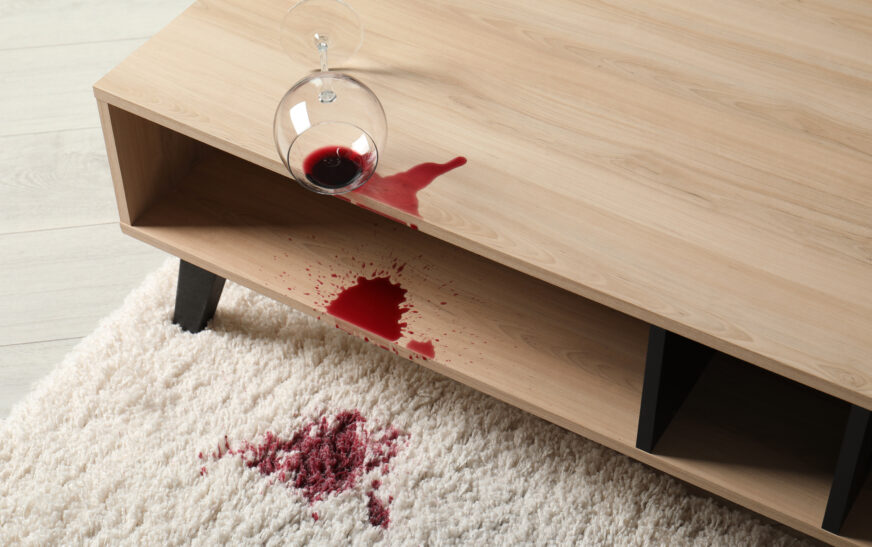
Identifying the source of the stain is important as it helps in determining the cleaning solution and technique that should be used. Common sources of stains on furniture include food and drink spills, ink, paint, and grease. The stains may be caused by pets or children. Additionally, some stains could be due to accidental spills, which could lead to damage of furniture material. It is therefore important to consider all these factors before choosing the appropriate cleaning solution and technique.
Pre-treatment and Preparation
Pre-treatment and preparation are key components in stain removal. Before using a cleaning solution, it is advisable to test the solution on a small, inconspicuous part of the furniture to ensure that it does not cause any damage or discoloration. Moreover, it is important to read the instructions on the cleaning solution label to ensure that the product is used appropriately. The instructions could include mixing the solution with water and applying it for a certain period of time.
Removing Common Stains from Furniture
Food and Drink Spills
To remove food and drink stains from furniture, it is advisable to use a cleaning solution recommended for that particular furniture material. For example, you should use a cleaning solution recommended for leather when removing stains from a leather couch. Apply the solution on the affected area and let it sit for some minutes before blotting it with a dry cloth.
Ink Stains
Ink stains are one of the toughest stains to remove from furniture. To effectively remove ink stains, use a cleaning solution recommended for ink stains. Apply the solution on the stained area and allow it to sit for some minutes. Afterward, blot the area using a clean cloth to remove the stain.
Paint Stains
The removal of paint stains from furniture could be tedious. Nevertheless, you can use a cleaning solution recommended for paint stains to get rid of paint stains on furniture. Apply the solution on the stained area and allow it to sit for some minutes before blotting it with a dry cloth.
Grease Stains
Grease stains are another type of stain that could be difficult to remove from furniture. To effectively remove grease stains, apply a cleaning solution recommended for grease stains on the affected area and let it sit for some minutes. Afterward, blot the area using a dry cloth to remove the stain.
Using Natural Cleaning Solutions
Natural cleaning solutions are often gentle and eco-friendly compared to conventional cleaning products. As such, they are recommended for cleaning delicate and sensitive materials. Common natural cleaning solutions include:
Baking Soda
Baking soda could be used to remove stains from furniture. Sprinkle some baking soda on the stained area and leave it to sit for some minutes. Afterward, blot the area using a dry cloth to remove the stain.
White Vinegar
White vinegar could be used to remove stains from furniture. Apply the solution on the affected area and allow it to sit for some minutes. Finally, blot the area using a dry cloth to remove the stain.
Hydrogen Peroxide
Hydrogen peroxide could be used to remove stains from furniture. Apply the solution on the stained area and leave it to sit for some minutes. Afterward, blot the area using a dry cloth to remove the stain.
Removing Tough Stains from Delicate Materials
When removing tough stains from delicate materials, it is important to use a gentle cleaning solution and technique to avoid damaging the furniture material. You can use a cleaning solution recommended for delicate furniture materials to remove stains. Apply the solution on the affected area and allow it to sit for some minutes. Afterward, blot the area using a dry cloth to remove the stain.
Silk and Velvet
Remove tough stains from silk and velvet using a gentle cleaning solution recommended for delicate materials. Apply the solution on the stained area and allow it to sit for some minutes. Finally, blot the area using a dry cloth to remove the stain.
Linen and Cotton
Remove tough stains from linen and cotton using a cleaning solution recommended for natural fibers. Apply the solution on the affected area and allow it to sit for some minutes. Finally, blot the area using a dry cloth to remove the stain.
Leather
Leather materials should be cleaned using a cleaning solution recommended for leather. Apply the solution on the stained area and allow it to sit for some minutes. Afterward, blot the area using a dry cloth to remove the stain.
Preventing Stains from Forming
Preventing stains from forming is relatively easy compared to stain removal. There are several techniques used to prevent stains from forming. They include:
Using a Stain-Repellent Coating
Apply a stain-repellent coating on the furniture to prevent stains from forming. These products could be used to coat the surface of furniture and could effectively prevent stains from forming.
Cleaning Up Spills Immediately
Immediately clean up spills to prevent stains from forming. Use a clean cloth or paper towel to absorb any excess liquid.
Using a Furniture Cover
Place a furniture cover over the furniture to prevent stains from forming. These products act as barriers between furniture and spills