

Houseplant care is quite an easy task that can greatly enrich your environment with plants and improve air purification. Unfortunately, beginners might be confused by the variety of species and requirements, but proper preparation and knowledge can help you to take care of your houseplants correctly. In this article, you will learn the basic tips regarding houseplant maintenance, which involve watering, sunlight, fertilizing, and pest control.
How to Care for Houseplants Daily
To provide appropriate conditions for your plants, you should familiarize yourself with their particular characteristics. Every species has its own peculiarities, so you need to study your plants properly to understand their preferences concerning humidity, lighting, water, and nutrients. For example, cacti need less water and more light compared to ferns or peace lilies. Such information will help you to take proper care of your plant.
Watering your houseplants correctly is quite important for their survival. Many beginners make the mistake of overwatering the plants, as a result of which the plant suffers from root rot and dies. To prevent this from happening, it is required to check the moisture content of the soil by touching it with your finger; if the soil feels dry, water the plant. It is important to water plants in the morning when the whole day lies ahead. If the soil is wet, leave the plant undisturbed for several days.
Proper Sunlight Supply for Indoor Plants
One of the main components of proper houseplant care is light. All plants require bright, diffused sunlight to carry out photosynthesis; however, some species, e.g., cacti, are sun-loving and cannot develop without strong lighting. To provide enough sunlight for your plants, arrange them in a place close to the window or purchase special lamps that emit artificial lighting. Do not forget to turn the pots regularly so that sunlight reaches all sides equally.
When talking about how to keep indoor plants healthy, it should be said that it is possible to provide them with sufficient light through some creative measures. For example, you can install mirrors facing the window so that sunlight can be reflected inside; you can use sheer curtains to diffuse the light a little.
Feeding Your Houseplants Regularly
Since houseplants grow in a pot and do not have direct access to the soil, where they can gain some nutrients, they require additional feeding. You can buy houseplant fertilizers of different types, i.e., liquid, granular, or stick fertilizers. During the growing period (from spring to autumn), feed your plants once a week using a 20-20-20 fertilizer; dilute the solution twice as much as indicated in the instruction.
There are many organic products for fertilizing indoor plants, which are quite environmentally friendly. Thus, you can use compost, manure, or any other natural fertilizer that does not contain chemicals. Just make sure you know what kind of fertilizer you are using and whether you should apply it directly to the soil or pour it over the plant.
Pest Control Tips
Houseplants can become home to numerous pests, which can be both external, such as aphids and spider mites, or internal, such as nematodes or larvae. When identifying pests in your plants, you need to treat the pests in order to preserve your plants’ health. To treat pests, use insecticidal soap or neem oil according to the instructions.
In case of houseplant pest control, it is important to remember that preventing pests can save you from the necessity of treating them in the future. This includes regular cleaning of the plant and pot and proper watering. Finally, you can quarantine newly bought plants to make sure there are no pests in the pots.
Pruning and Repotting Your Houseplants
In order to take care of your houseplants properly, you should regularly perform two procedures that include pruning and repotting. Pruning refers to cutting your plant to regulate its shape, stimulate growth and flowering. It is recommended to perform this procedure whenever you consider your plant needs it but preferably during the dormant period (in winter).
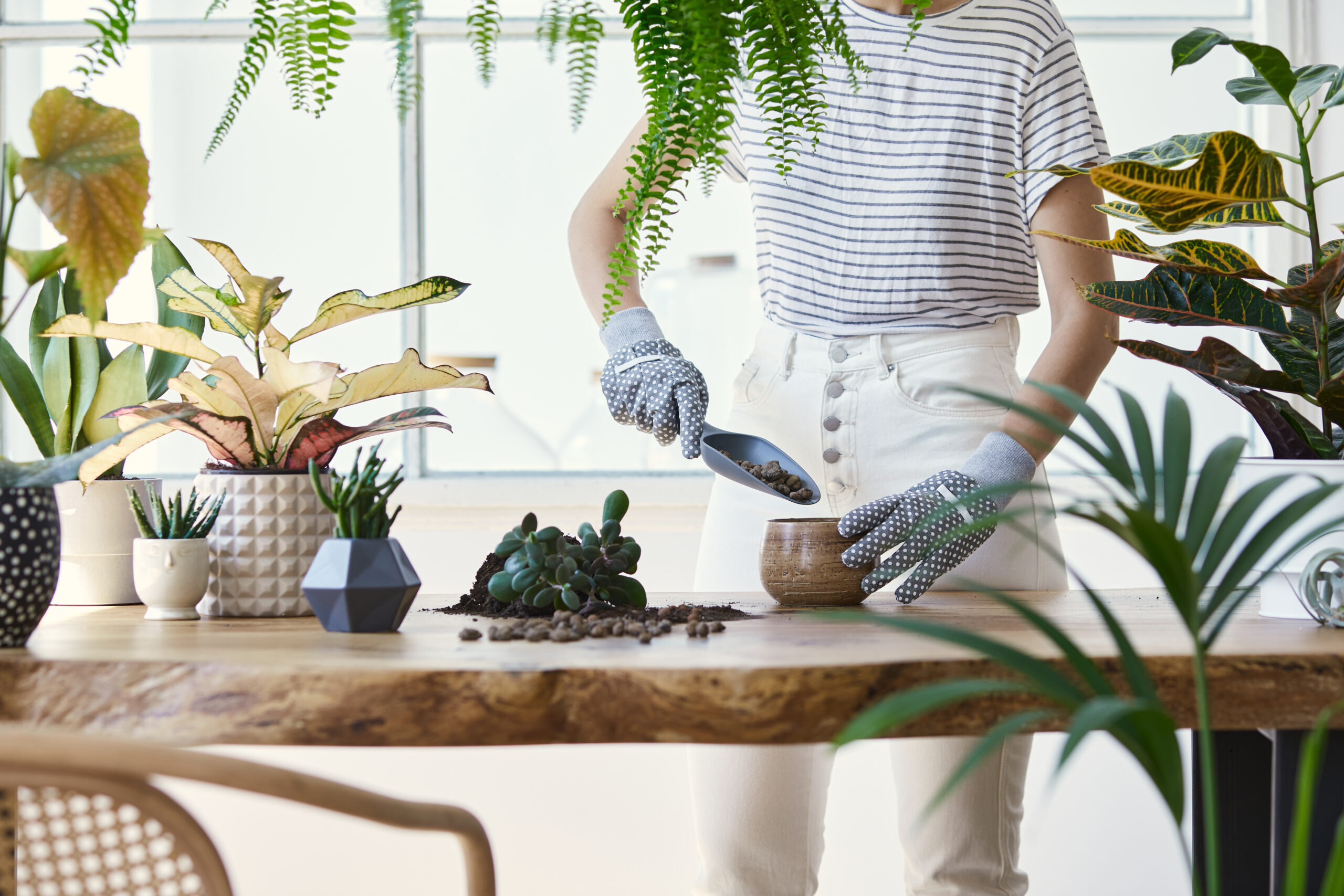
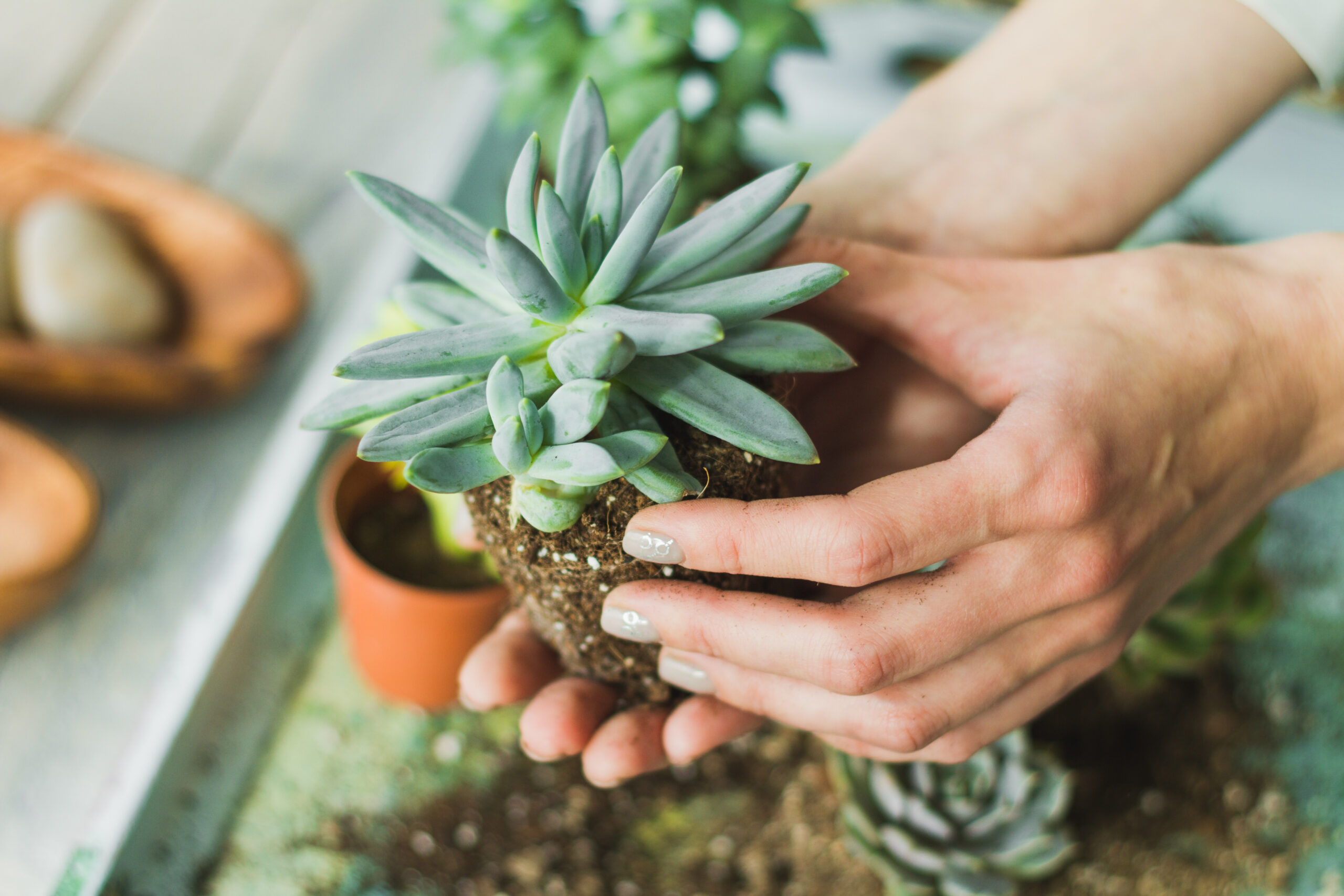
As for repotting, you need to transfer plants from one pot to another. Repotting is required after some years when your plant grows bigger. It is recommended to repot plants during the growing period; it means you should do this in spring and summer when your plant actively develops. Also, remember that you should not repot plants during the dormancy period since it stresses them a lot and causes harm to their health.
Houseplant Troubleshooting: How to Identify and Fix Problems
Regardless of how attentive you are to your plants, they can develop different problems, e.g., leaf yellowing, drooping, or developing black spots. To solve them, try to identify the cause of the problem. For example, yellowing leaves might indicate overwatering, under-watering, or nutrient deficiency; drooping plants can suffer from lack of sunlight, overwatering, and being root bound. If you see black spots on the plant, it probably has a disease or infection.
The last tip regarding caring for indoor plants is to pay attention to your plants and observe them. When you notice something unusual, start solving the problem immediately so that it does not aggravate. Also, try to find out what causes your plants to show specific signs and eliminate the factors causing it.
Conclusion
Taking care of houseplants daily can bring a lot of joy to your life if you approach this task responsibly. To ensure proper houseplant development, you need to know what conditions are required for a certain plant to flourish. Water, sunlight, fertilizing, and pest control are the basic aspects of plant maintenance. Do not forget to prune and repot plants.