
Light and reflection are basic notions that determine how people perceive the world. If one takes a picture or looks at an object, he or she would never see anything without the interaction between light and its reflection. Therefore, studying light and reflection will allow photographers and artists to create wonderful images that could captivate their audience. Whether one needs to capture a landscape or a person, he or she should study how light affects the reflection and vice versa.
Light Fundamentals
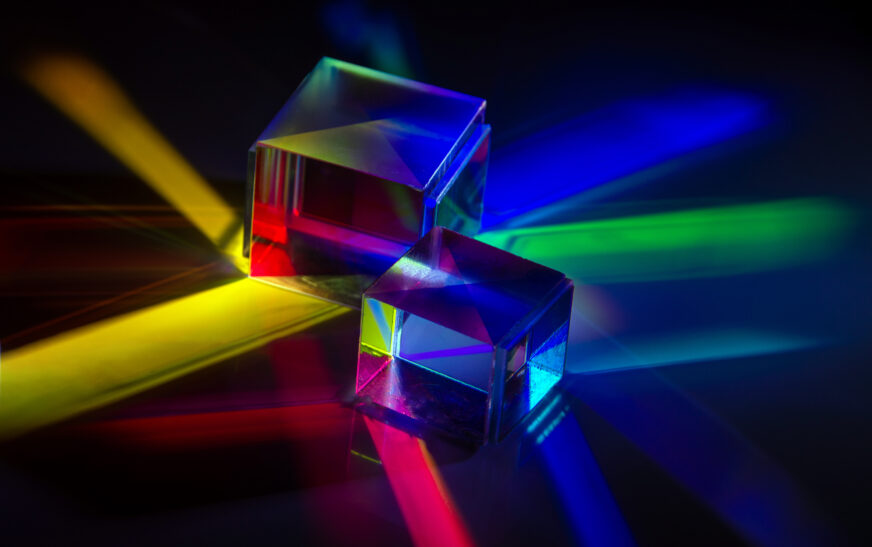
Light represents electromagnetic radiation that can be seen by the naked eye. It comprises various wavelengths that correlate with particular colors. According to National Geographic, the visible spectrum contains all colors that one can see. It consists of approximately 380 and 780 nanometers. Violet light contains the shortest wavelength; thus, it has the highest frequency. At the same time, red light has the longest wavelength and the lowest frequency.
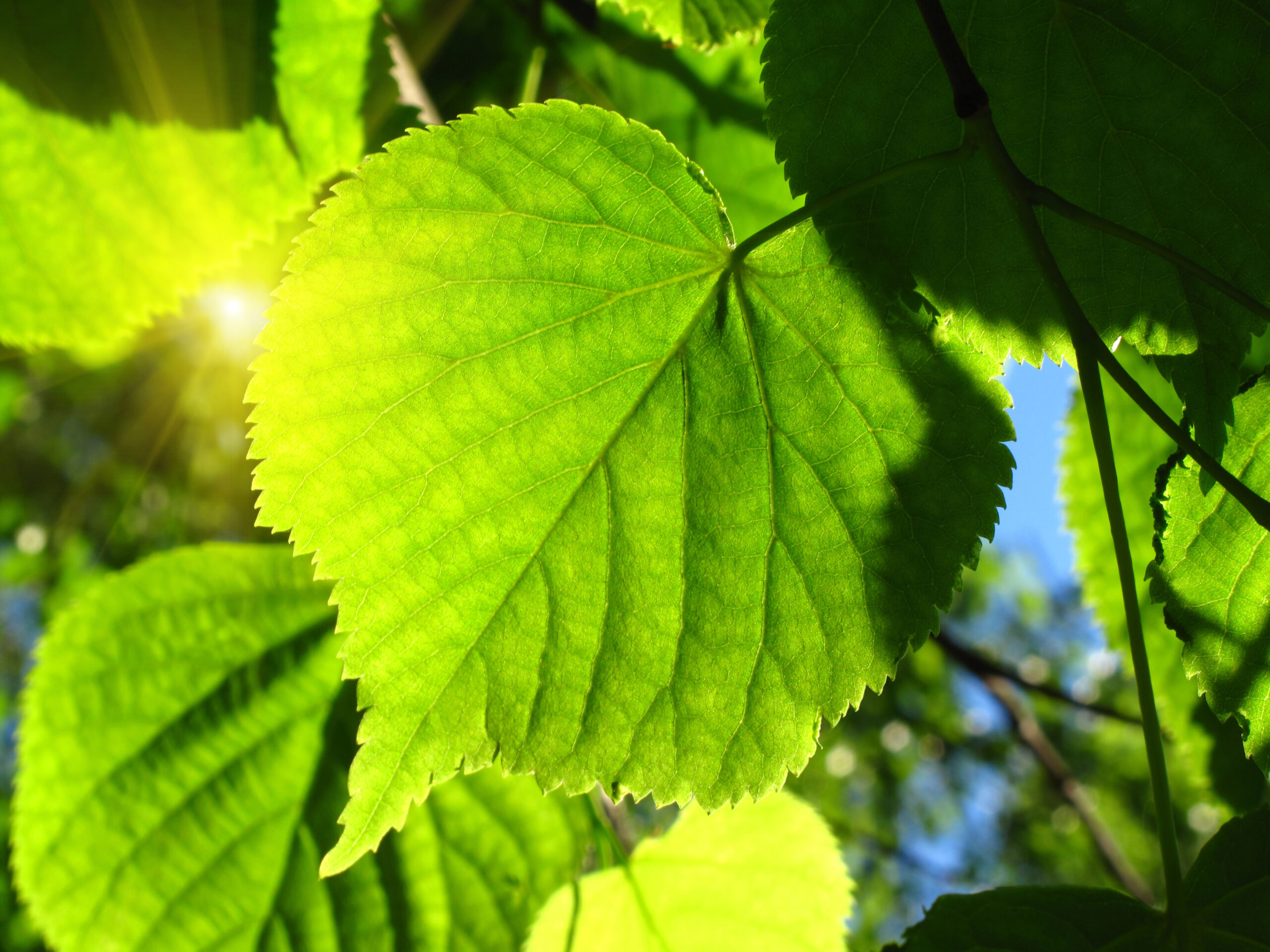
The surface of an object determines how light will be reflected. If the surface of an item is matte, it will absorb light and scatter it in all directions. Thus, it will produce a dull appearance. On the contrary, glossy objects will have a shiny appearance as light will reflect smoothly and evenly. Reflective surfaces will reflect light intentionally.
Reflection Laws
Reflection is regulated by several optical laws. The most common law that determines the nature of light reflection is called the law of reflection. According to this law, if one shoots a ray of light on any surface, it will bounce off the same angle at which it was incident. Another law that regulates reflection is called the law of refraction. When light moves from one medium to another, it changes its direction and speed.
Reflections play a crucial role in creating images that are aesthetically pleasing. Knowing how light behaves during reflections, photographers can apply it in practice and manipulate rays of light to get the desired effect.
Kinds of Reflection
Photographers may choose among different kinds of reflections to achieve specific results. For instance, specular reflection will enable light to reflect on smooth surfaces in the same direction. One may observe such reflections on glass, water, and metal products. Diffuse reflection will allow light to scatter in all directions due to the roughness of an object’s surface. One may observe such reflections on paper, fabrics, and matte paint.
Mirror reflection will occur when light reflects on a flat surface. In this case, it bounces off at the same angle as in specular reflection. Mirror reflection enables light to reflect evenly due to the absence of imperfections on the surface. One may observe such reflections on mirrors and reflective films.
Understanding Reflections in Real-Life Scenarios
Photographers and designers may apply reflections in various scenarios, depending on their preferences. Reflections play an important role in the field of photography since people can capture stunning images of the world. Photographers may experiment with the application of reflections and refractions to capture the beauty of the world in unique ways. For example, using reflections, photographers can capture the beauty of nature in different perspectives.
Designers may also use reflections to create amazing designs that will appeal to customers. They can play with the behavior of light to create beautiful highlights and shadows. Thus, people may use reflections to enhance the attractiveness of the product.
Importance of Understanding Light and Reflections
Understanding light and reflections is important for multiple industries. First of all, knowing the fundamental principles of light and reflections will enable people to create visually appealing and realistic pictures. Photographers can manipulate light to reflect and refract in different angles to highlight the subject’s characteristics. Moreover, learning more about light and reflections is vital for optics and physics because it will enable scientists to invent groundbreaking innovations related to the behavior of light.
Using Reflection to Create Stunning Images
Knowing how to use reflections, photographers can create images that will captivate their audience. To do so, photographers should apply the knowledge regarding the angles of incidence and reflection, the types of reflections, and optical laws. Thus, photographers can control how light will reflect and refract.
Conclusion
Understanding light and reflections is a must for photographers who want to capture the beauty of the world and create stunning images. People will be able to learn more about light and reflection through experimentation and practice.