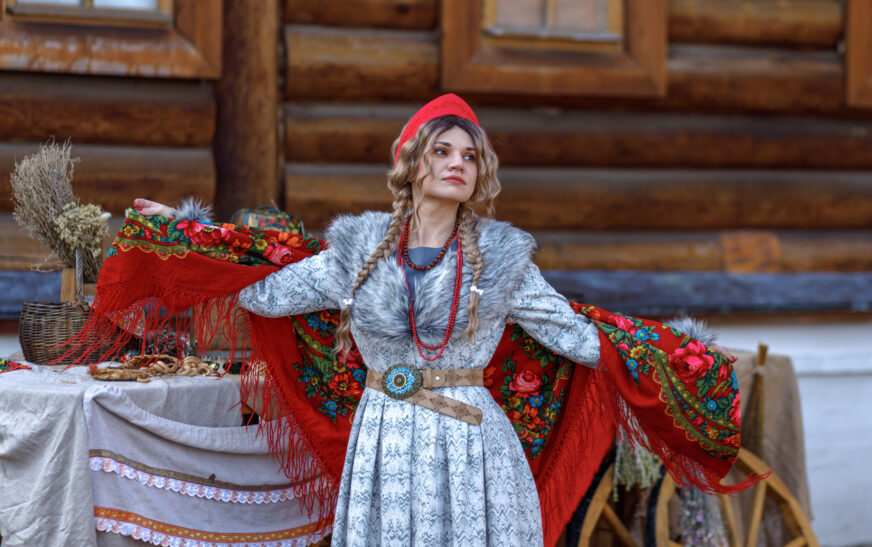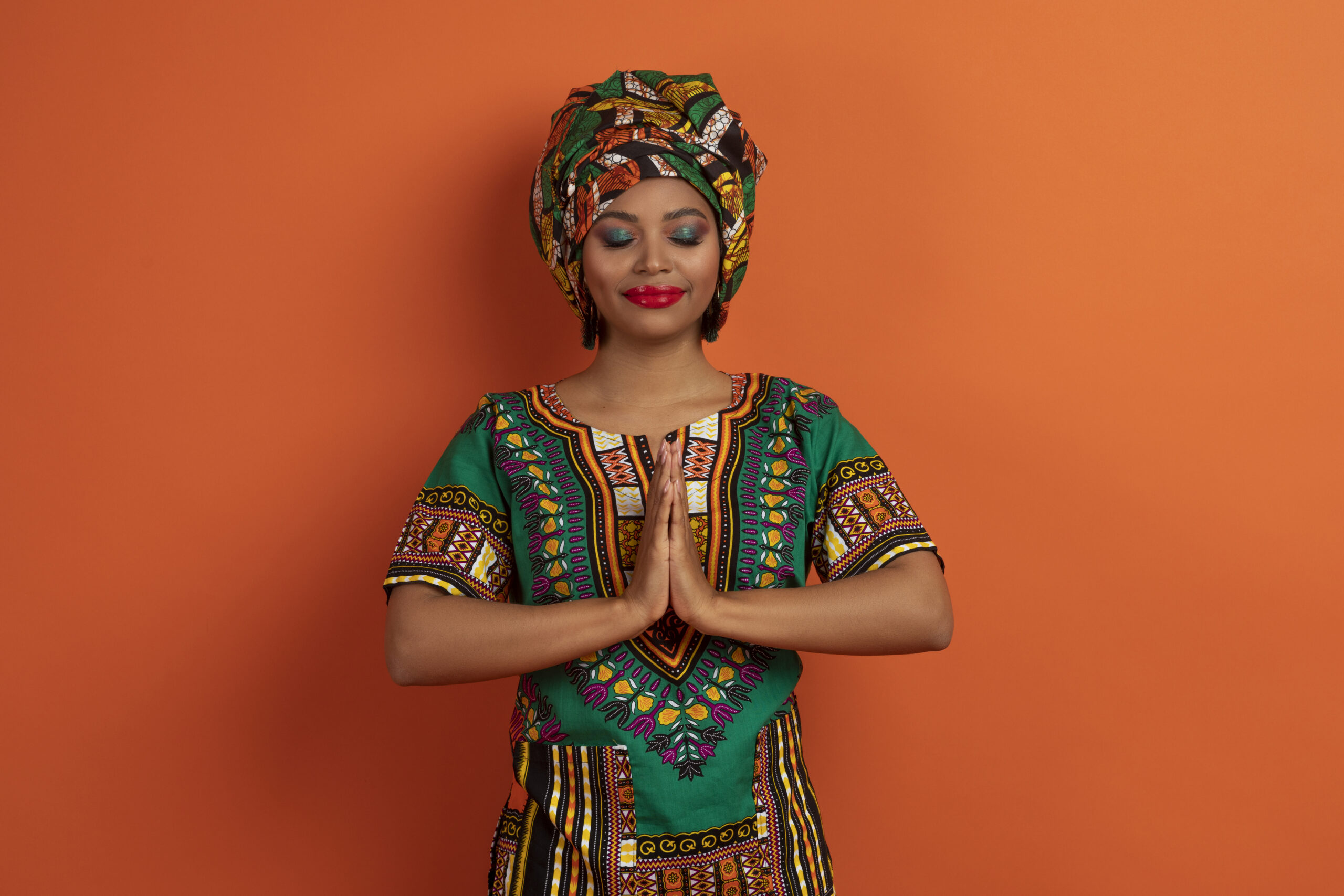

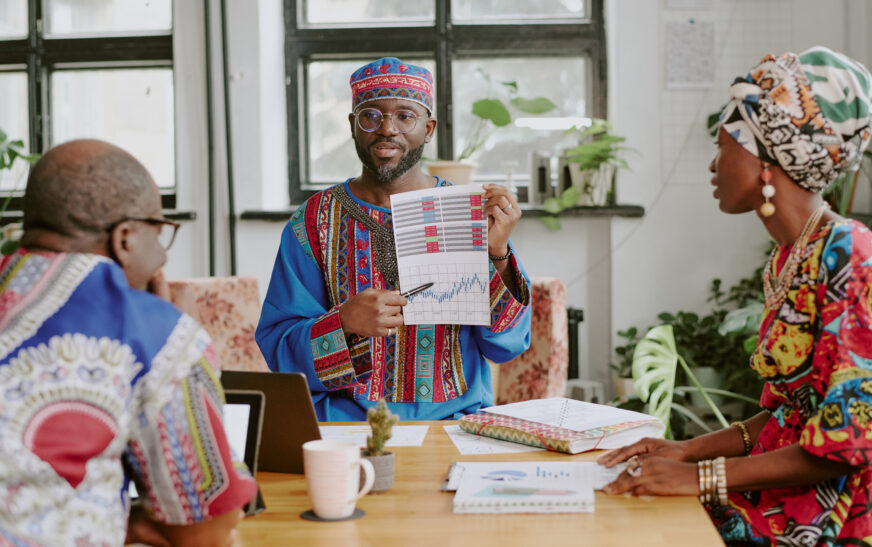
Importance of Cultural Documentation The current era is one that is characterized by globalization and a fast-paced lifestyle. In the process, many cultural practices and stories are being lost due to the modernization and urbanization of communities. Therefore, documenting cultural practices and stories is important as it serves the purpose of cultural heritage preservation and fosters cross-cultural understanding. There is nothing as vital as cultural documentation today. It simply means recording, documenting and preserving the practices and stories of a community or culture. Some of the elements of cultural documentation include music, dances, art, storytelling and other cultural expressions. Why Cultural Documentation Matters? Documentation of cultural practices is important since it ensures that cultural heritage is preserved. It also promotes cross-cultural understanding since a glimpse into other cultures allows us to understand their stories and practices. Finally, cultural documentation can serve as a powerful means for promoting cultural identity and self-expression.
Oral History and Its Role in Cultural Documentation
One of the most important parts of cultural documentation is oral history. This refers to collecting and preserving oral accounts and memoirs from members of a community or culture. Oral history can take various forms such as interviews, journals and memoirs. Analyzing and collecting oral histories gives us invaluable insight into the past and its impact on the present. Oral history is an integral part of cultural documentation since it enables us to document cultural practices and stories. Specifically, oral history can be used to document traditional music, dance practices and legends that have been passed from generation to generation. For example, oral history can be helpful when documenting the musical practices and legends of a culture.
Use of Technology in Cultural Documentation
Technology has made it easier than ever before to conduct cultural documentation since we can document culture using technology. Specifically, it allows us to document cultural practices and stories using technological solutions such as digital video and audio recording equipment, digital storage solutions, and other platforms. Specifically, digital video and audio recording equipment enable us to capture high-quality video and audio of the cultural performance and interviews. Meanwhile, digital storage solutions provide us with a safe environment to preserve cultural content. Moreover, online platforms allow us to publish cultural content and share it globally.
Collaboration in Cultural Documentation
Collaboration is a key part of cultural documentation since it enables documentation grounded in the perspective of community members. Moreover, collaboration with community members is instrumental for successful cultural documentation since it builds trust and positive relations between researchers and community members. Collaboration also enables community members to share their stories with a broader audience.
Challenges in Cultural Documentation
While cultural documentation can bring many benefits, there are also some challenges associated with it. One of the challenges is the preservation of cultural heritage as the communities become more and more assimilated into mainstream culture. In such cases, their traditional practices and stories become diluted and forgotten. Another challenge is the sensitivity aspect since the documentation can involve marginalized or vulnerable communities. Researchers must be aware of the power dynamics in such situations and adopt appropriate methodologies.
Best Practices in Cultural Documentation
To properly conduct cultural documentation, the following best practices can be applied:
Obtain Informed Consent: Informed consent should always be obtained from community members prior to the documentation. Accuracy: Ensure that the documentation is accurate and sensitive to the perspective of the community. Sensitivity: Be sensitive to the cultural and historical background of the community being documented. Collaboration: Work collaboratively with other members of the community in order to ensure that their perspective is represented. Preservation: Take steps to preserve cultural heritage, for example by archiving and digitizing.
Conclusion
Cultural documentation is important for documenting our culture and stories while preserving them for future generations. Conducting cultural documentation requires meticulous planning, collaboration, and research. To ensure successful cultural documentation, you should take into account the challenges discussed above as well as apply the recommended best practices. There are many ways of getting involved in cultural documentation.