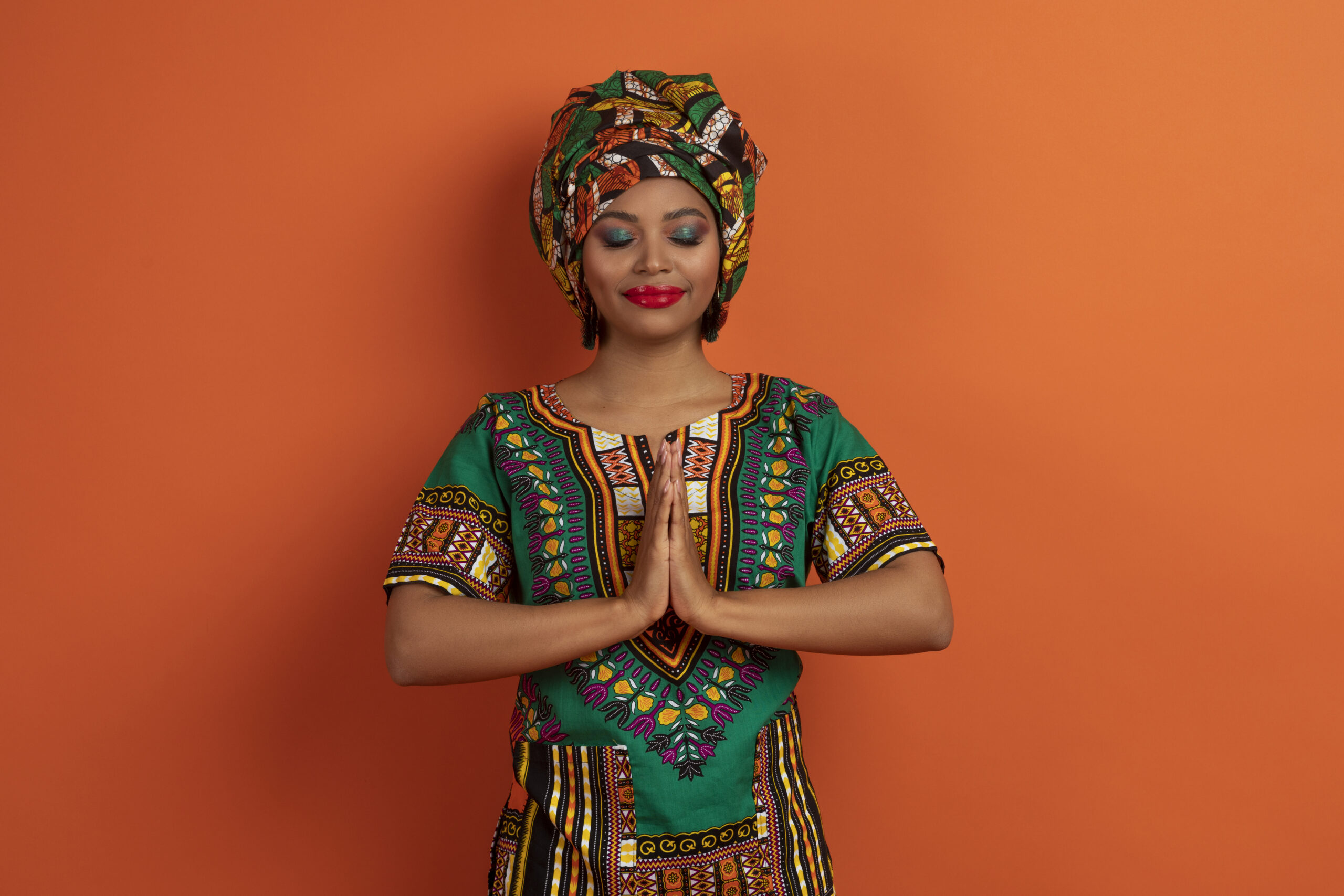

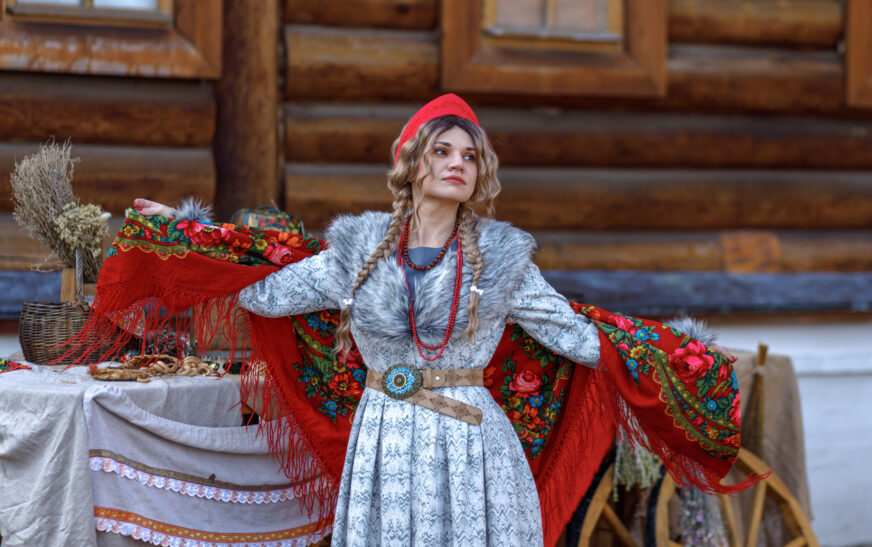
When visiting a foreign country, there are various things that travelers need to take into consideration. One of these considerations is the local customs regarding dressing. Indeed, the way individuals dress depends on the local culture of a region and travelers should adhere to the local customs if they want to get along with the local residents. Dressing codes are different among various cultures and travelers must observe them for two main reasons. First, dressing according to local dress codes shows how much travelers respect the local culture. Second, it will make the interactions between the travelers and the local residents easier.
Cultural Dress Codes
The factors that determine the local dressing codes include climatic conditions, social norms, and the traditions in particular societies. For example, in Asian countries like Vietnam, it is the local custom that individuals should dress modestly without exposing any part of their body. Contrary to Asian cultures, dressing codes in some western countries allow women to wear revealing clothes when visiting beaches. Therefore, it is critical to familiarize oneself with the dress codes of the particular culture prior to visit. Travellers who do not adhere to these codes may find themselves in embarrassing situations.
How to Dress Modestly in Conservative Cultures
There are several cultures whose people believe that modesty is a sign of respect to the local culture. For instance, women are expected to cover their heads and shoulders; at the same time, men should cover their chests. In countries like Saudi Arabia and Iran, women should put on hijabs, a covering piece of garment that hides their heads and necks.
In such conservative cultures, travelers should learn how to dress modestly. The reason is that the local dressing codes require individuals to cover their bodies. As a result, travelers should avoid wearing clothes that reveal parts of their body, for instance, tank tops and short skirts. They may opt for loose-fitting clothes that cover the body completely.
Adjusting Your Clothing to the Local Climate
It is important to note that local dressing codes depend on various factors including the climate. In countries with hot climatic conditions, people tend to dress using clothes that are loose and light. In the United Arab Emirates, for instance, people prefer to wear white gandurah in summer.
Therefore, prior to a journey, individuals must find out about the climate of a particular destination in order to know the appropriate type of clothing to bring with them. Moreover, travelers should be ready to adapt the clothes in case the climatic condition changes unexpectedly.
Respecting Local Traditional Attire
In some cultures, people have a tradition of wearing certain types of garments that are unique to their cultures. For example, in Japan, people usually dress in kimonos during special occasions such as weddings and tea ceremonies. Similarly, people in India wear sari or kurta during traditional ceremonies.
Therefore, travelers visiting the regions with such dress codes should try as much as possible to respect the traditional attires of the locals. Travellers should avoid dressing like the locals, as this would make them appear disrespectful. Instead, they should stick to their own traditional attires.
Dressing Codes for Special Occasions
Different cultures have diverse ways of dressing during special occasions. For instance, people in Moroccan and Turkish cultures dress in formal clothes during special occasions such as weddings and festivals. In contrast, people in regions such as Hawaii and Bali wear casual clothes during special occasions.
Therefore, prior to participating in any activity within a foreign culture, travellers need to find out whether the culture has dress codes for special occasions. This will enable them to avoid any conflicts arising out of inappropriate dressing codes.
Balancing Traditional and Modern Styles in Your Outfit
Some cultures tend to blend the modern style of dressing with the traditional styles of dressing. For instance, women in Japanese culture usually dress in kimonos with other modern outfits such as jewelry and footwear. Similarly, Indians usually dress in their traditional attires combined with the modern ones.
Therefore, travelers need to know how to strike a balance between traditional and modern outfits when visiting regions that require such dressing codes. For example, travelers should avoid dressing in old fashion clothes as a way of showing respect to the local culture.
Conclusion
Travelling to a foreign country is associated with various challenges; however, dressing according to local traditions and customs is one way through which these challenges can be avoided. When travelling to a foreign land, individuals should learn about the dress codes and follow them.