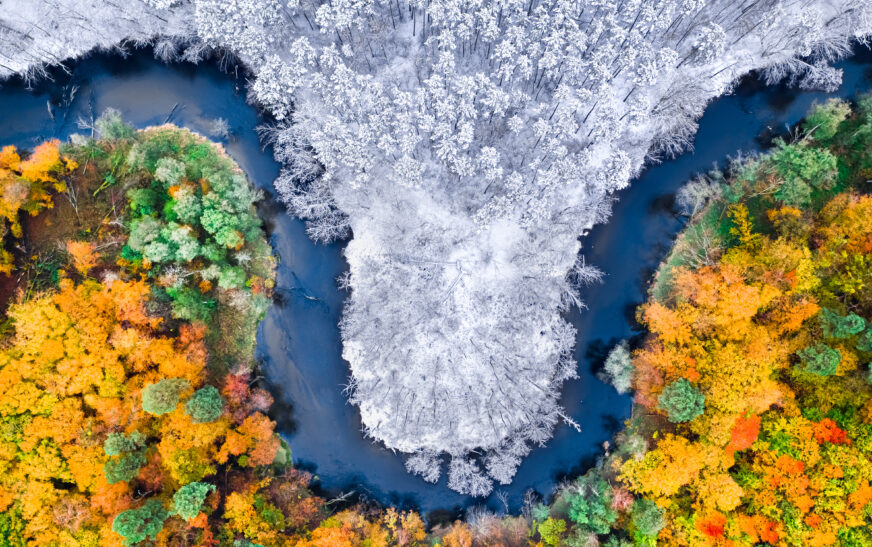


There are many colors in the sky above us; sometimes they are yellow and sometimes – purple. It may seem that these colors appear in the sky spontaneously, however, there are certain processes in the sky, thanks to which there are changing colors in it. These processes include light refraction, atmospheric conditions, and others. Thus, this work is going to be devoted to exploring the factors influencing changing colors of the sky.
The Process of Light Refraction
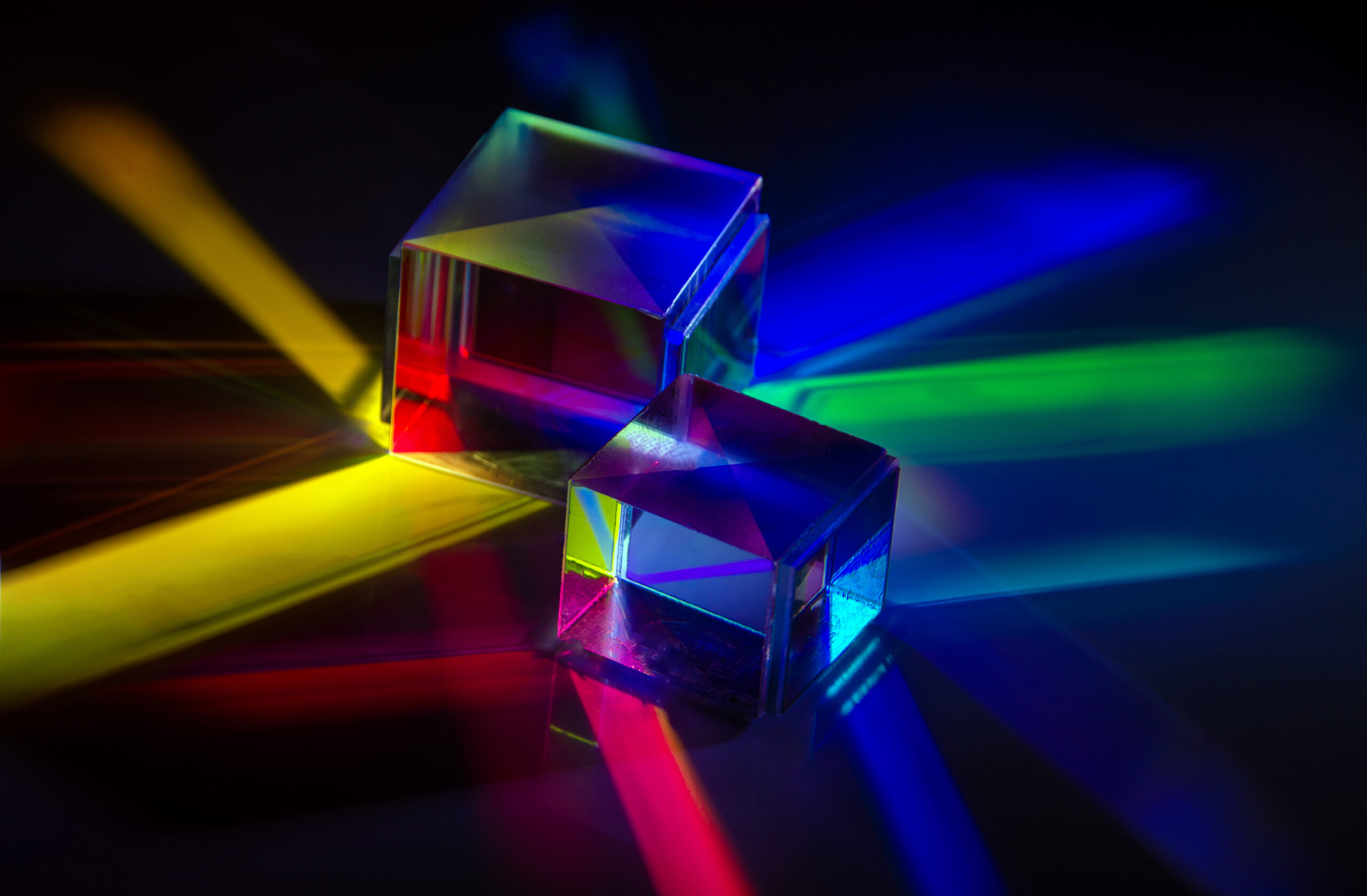
Light refraction takes place when light changes speed when crossing the boundary between two media. When this happens, light is bent or refracted. When light hits one of the sides of the prism, it slows down because the medium becomes denser. Then, it leaves the prism at a slower speed than initially. The result is a bending of light. That is how colors are created due to light refraction.
What Are Atmospheric Conditions?
Understanding atmospheric phenomena that occur in the sky is necessary in order to comprehend how the sky changes colors. Atmospheric conditions are the processes in the atmosphere occurring regularly or irregularly. Temperature, pressure, and moisture are three key atmospheric conditions.
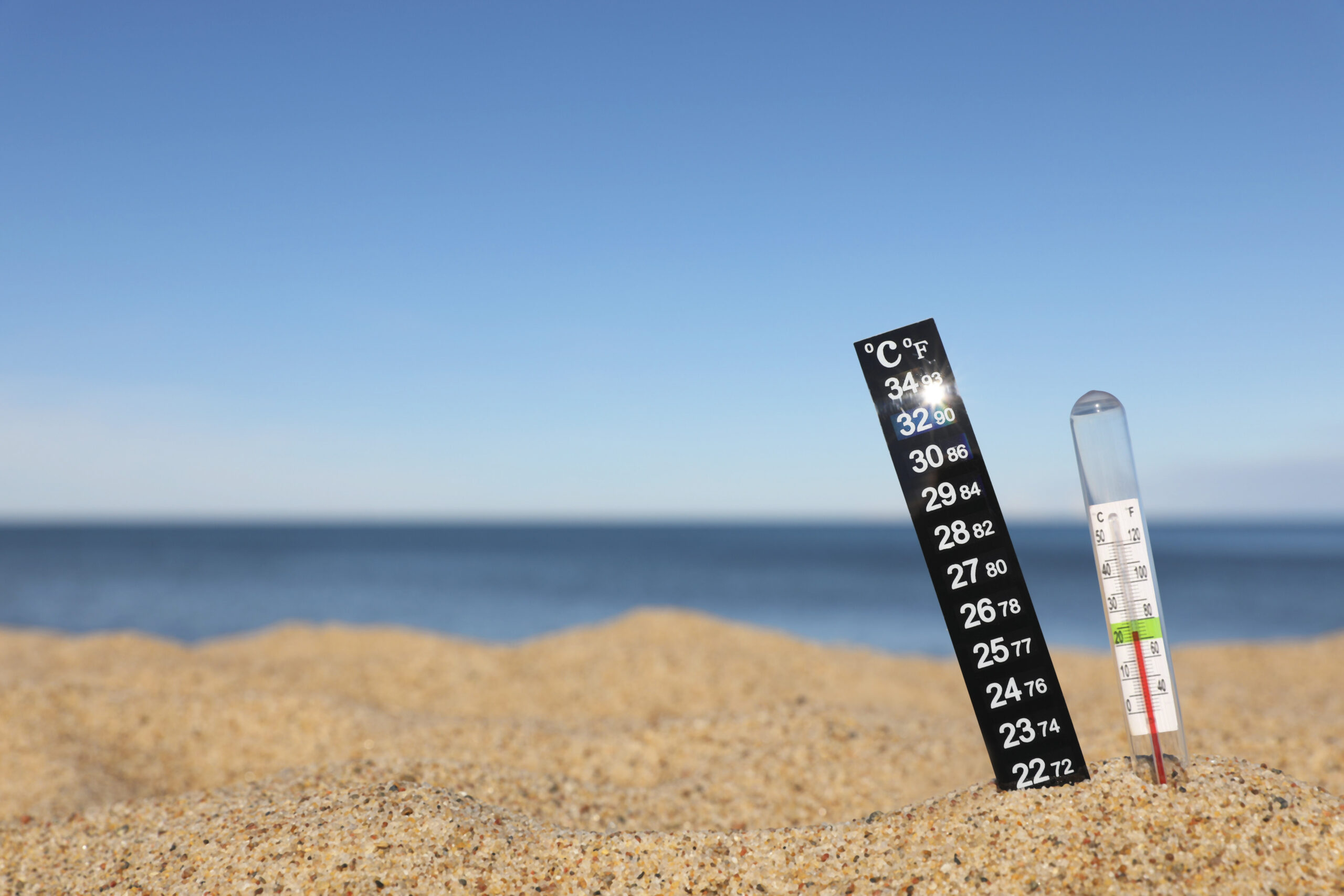
The heatwave and cold front are two weather phenomena related to the atmosphere. During the heatwave, the atmosphere becomes warmer due to warm air rising from the Earth. It causes the sky above it to change colors to blue and yellow. During the cold front, the opposite happens, so colors turn gray or overcast. It means that the understanding of atmospheric phenomena is important for analyzing the changing colors of the sky.
The Influence of Weather Patterns
In addition to the influence of temperature and pressure, weather conditions also have a significant impact on the colors of the sky. There are various types of clouds, such as cirrus clouds, which scatter sunlight in a more uniform way, making the sky bright and clear. Stratus clouds, which create uniform clouds, scatter sunlight in a non-uniform manner. It results in a gray and hazy sky.
Another type of cloud is a cumulus cloud that is white in appearance and consists of many water droplets. They also scatter sunlight in a more regular manner and create a bright appearance of the sky. Thus, it shows that weather patterns play a critical role in shaping changing colors in the sky.
The Effect of Pollution and Aerosols
One more factor to consider is aerosols that scatter light. Dust particles and water droplets scatter the sunlight in a non-uniform and uniform ways respectively. The first process leads to a hazy sky and the latter to clear skies. Also, there is such a phenomenon as atmospheric pollution that affects the reflection of sunlight on Earth.
The light reflected off the surface of the Earth has to pass through the polluted layer. It leads to light dispersion into colors. Short waves reflect off atmospheric molecules, while long waves penetrate deeper into the atmosphere. Thus, Rayleigh scattering contributes to the change in the colors of the sky.
Observing the Sky
When observing the sky, it is crucial to pay attention to several things. First, atmospheric phenomena should be observed. It may include temperature and pressure as well as clouds that reflect light in different ways. The second factor to analyze is weather patterns as they determine the shape of clouds reflecting light. Finally, light refraction is a factor that has an effect on changing colors of the sky.
For instance, in case of the sunset, the colors seen in the sky are due to light reflection and dispersion. The shorter wavelengths of light are scattered, while longer wavelengths make the sky yellow and red. All of these factors lead to the change in colors of the sky.
Conclusion and Recommendations for Further Work
Thus, there are several factors that influence the sky and cause changes in its colors. These factors include light refraction, atmospheric conditions, and weather patterns. Understanding all of them will help in comprehending the process and observing the sky properly.
If you want to find more information on this topic, we recommend visiting some resources devoted to atmospheric science, light refraction, weather patterns, and other topics related to this issue.